
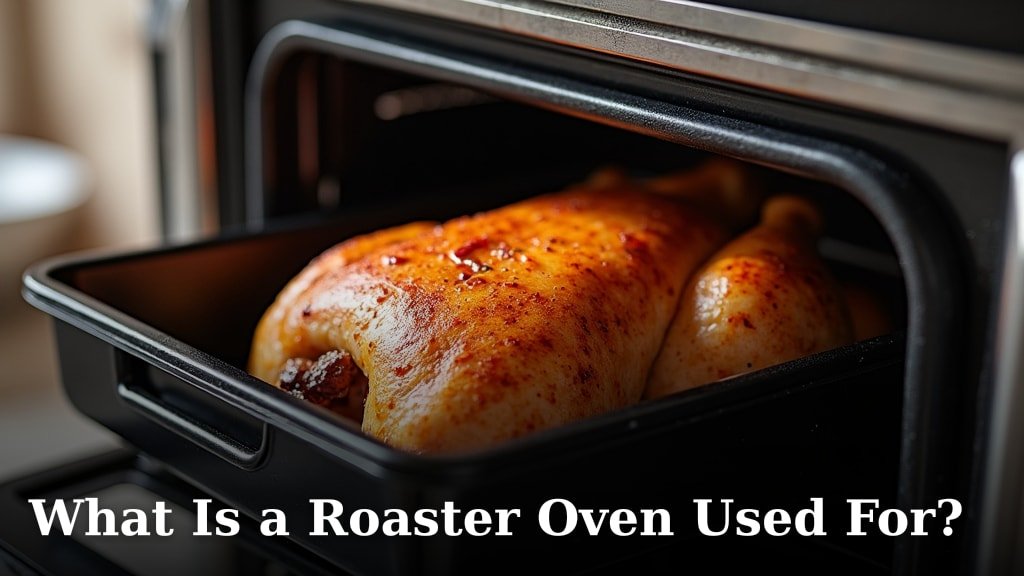
A roaster oven is primarily used for cooking large quantities of food, especially big cuts of meat like turkey or ham. It functions much like a traditional oven but is portable and often more energy-efficient for specific tasks. You can use it to roast, bake, slow cook, and even steam, making it a versatile kitchen appliance.
You might wonder if you truly need another kitchen gadget, right? We found that a roaster oven excels when your main oven is full, or you’re cooking for a crowd. It provides consistent, even heat, perfect for moist roasts and casseroles. Many home cooks say it’s a holiday meal lifesaver.
- Cooks large meats like turkey or ham.
- Frees up your main oven.
- Can bake, slow cook, and steam.
- Great for potlucks and gatherings.
Let’s walk through exactly what makes a roaster oven so useful and how it can simplify your cooking.
Understanding the Primary Functions of a Roaster Oven
A roaster oven is a kitchen workhorse designed to handle larger cooking tasks that might overwhelm your main oven. It’s perfect for when you need extra cooking capacity, especially during holidays or family gatherings. We found that its true strength lies in its ability to roast, bake, and slow cook with impressive efficiency.
Think of it as a portable, countertop oven. It typically has a heating element in the base, a roasting pan, and a lid. This design creates a consistent cooking environment, often leading to moister results for many foods. You’ll quickly see why it earns its place in many kitchens.
Roasting Large Cuts of Meat
This is where a roaster oven truly shines. If you’ve ever hosted Thanksgiving, you know the struggle of fitting a large turkey into your conventional oven. A roaster oven solves this problem beautifully, allowing your main oven to handle side dishes. We found that it excels at cooking turkeys, hams, and large roasts evenly and efficiently.
The sealed environment of a roaster oven helps to trap moisture. This means your turkey or ham can come out juicier and more tender than if it were cooked in a conventional oven. Many home cooks report less basting is needed, saving you time and effort.
Cooking Thanksgiving Turkey
The quintessential use for a roaster oven is Thanksgiving turkey. It can comfortably fit turkeys up to 24 pounds, depending on the model. This frees up your conventional oven for casseroles, pies, and other holiday favorites. It’s a game-changer for holiday meal prep, taking away a lot of stress.
When cooking turkey in a roaster oven, we found that the lid is key. It creates a self-basting effect, circulating moisture around the bird. This often results in a perfectly cooked, golden-brown turkey with less hands-on time from you.
Baking and Slow Cooking Versatility
While roasting is its claim to fame, a roaster oven offers more than just big meats. It can double as a conventional oven for baking certain items or as a large slow cooker. This makes it a surprisingly adaptable appliance for your kitchen.
You can bake anything from casseroles to cakes, especially when your main oven is in use. For slow cooking, it’s fantastic for stews, chilis, or pulled pork, often providing more capacity than a standard slow cooker. It’s about maximizing your cooking options.
Baking Large Batches
Need to bake multiple dishes for a potluck or party? A roaster oven can handle large casseroles, lasagna, or even multiple loaves of bread. Its consistent heat distribution helps ensure everything cooks evenly. It’s a great backup or supplemental baking space.
Some models even come with a rack that can elevate dishes, promoting better air circulation. This feature helps prevent soggy bottoms and ensures a more uniform bake. We recommend checking your roaster oven’s manual for specific baking tips.
Slow Cooking for a Crowd
Imagine making a huge batch of pulled pork for a family reunion or a big pot of chili for a tailgate party. A roaster oven makes this easy. Its low-temperature settings are ideal for slow cooking, tenderizing tough cuts of meat over several hours. This results in incredibly flavorful and fall-apart tender dishes.
The large capacity means you can prepare enough food to feed a small army. Plus, you can often transport the entire roaster oven (unplugged and safely) to your event, keeping the food warm until serving. It’s truly a convenient feature for entertaining.
Beyond the Basics: Other Smart Uses for Your Roaster Oven
You might be surprised by how many different ways you can use a roaster oven. It’s not just for holiday meals or big roasts. Its consistent heat and sealed environment open up a world of other cooking possibilities. We found that creative cooks use them for everything from steaming to keeping food warm.
Thinking outside the box can help you get more value from this appliance. It can be a real problem-solver in certain situations. Let’s look at some of these less common but equally helpful uses.
Keeping Food Warm at Gatherings
Picture this: you’ve cooked a feast, but dinner is delayed, or guests are arriving at different times. How do you keep everything warm without drying it out or overcooking it? This is a prime scenario where a roaster oven becomes your best friend. It maintains a steady, low temperature, perfect for holding food.
Many experts say that maintaining food temperature above 140°F (60°C) is key for food safety (FDA). A roaster oven excels at this, keeping your mashed potatoes, gravy, or even a pre-cooked roast warm and ready to serve. This frees up your stovetop and main oven, letting you focus on other last-minute tasks.
Steaming and Poaching
Believe it or not, your roaster oven can also steam. By adding a small amount of liquid to the bottom pan and placing food on a rack above it, you create a steaming environment. This is fantastic for vegetables, seafood, or even large batches of tamales. It’s a healthy cooking method that locks in nutrients and flavor.
Similarly, you can use it for poaching. Think large quantities of chicken breasts or fish. The gentle, consistent heat of the roaster oven provides the ideal conditions for delicate poaching. It’s an often overlooked function that adds to its versatility.
A Comparison: Roaster Oven vs. Traditional Oven
Sometimes, it’s helpful to see how a roaster oven stacks up against its more common cousin, the traditional oven. They both cook food, but they do so with different strengths and weaknesses. Understanding these differences helps you decide when to use which appliance.
| Feature | Roaster Oven | Traditional Oven |
|---|---|---|
| Primary Use | Large meats, extra capacity, keeping food warm | Everyday cooking, baking, broiling, roasting |
| Portability | High (countertop, easy to move) | Low (built-in appliance) |
| Heat Distribution | Often very moist, sealed environment | Drier heat, fan convection often available |
| Energy Efficiency | More efficient for smaller, specific tasks | Less efficient for small tasks, uses more power |
| Space Required | Countertop or storage space | Dedicated kitchen space |
As you can see, they complement each other well. A roaster oven isn’t meant to replace your main oven but rather to extend its capabilities, especially during busy cooking times.
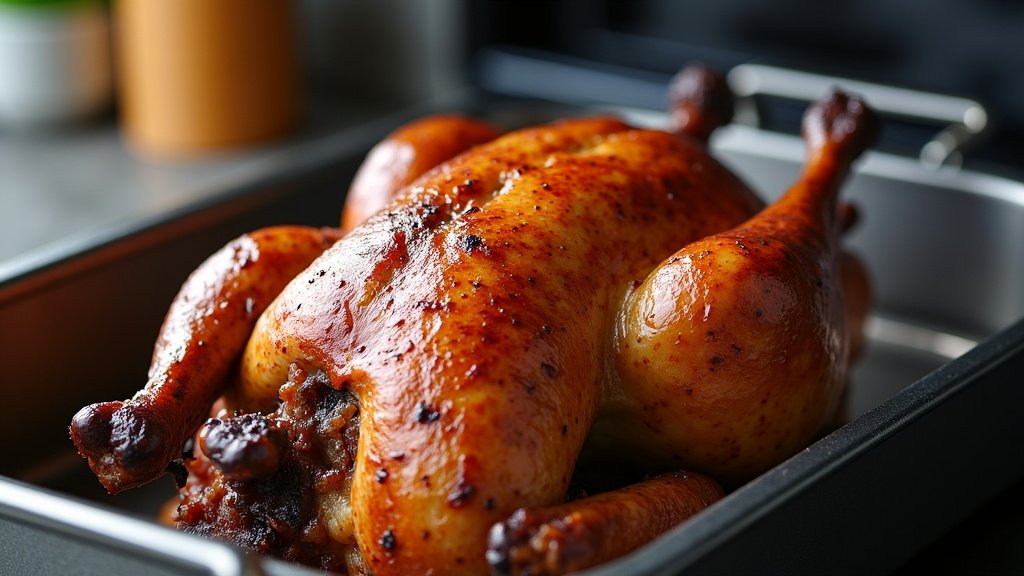
Deciding If a Roaster Oven Is Right for You
So, after all this, you might be asking yourself: do I really need one? The answer largely depends on your cooking habits, the size of your household, and how often you entertain. We found that for certain lifestyles, a roaster oven moves from a “want” to a “need” very quickly.
Consider how often you cook for large groups or how frequently your main oven feels overwhelmed. If those scenarios pop up often, a roaster oven could be a significant convenience. It’s about making your cooking life easier and more efficient.
When a Roaster Oven Becomes Essential
There are specific situations where a roaster oven truly shines and makes your life much simpler. If any of these sound like you, it might be time to invest in one.
- You host holiday meals: Think Thanksgiving, Christmas, Easter – any time a large turkey or ham is on the menu.
- You frequently entertain large groups: Potlucks, family reunions, game day parties where big batches of food are needed.
- Your main oven is small or often fully occupied: If you feel cramped for oven space, a roaster oven adds valuable capacity.
- You enjoy slow-cooked meals: For pulled pork, chili, or stews for a crowd, it offers ample space.
- You need a reliable way to keep food warm: At events, buffets, or when meal timing is staggered.
If you check off even a couple of these, you’ll likely find a roaster oven to be an incredibly useful addition. It’s not just another gadget; it’s a strategic cooking tool.
A Quick Checklist: Is a Roaster Oven for You?
Still on the fence? Use this quick checklist to help you decide if adding a roaster oven to your kitchen arsenal makes sense:
- Do you cook large turkeys or roasts often?
- Is your main oven frequently full during big meals?
- Do you host large gatherings or parties regularly?
- Could you use extra cooking capacity, especially for baking or slow cooking?
- Would a portable appliance for keeping food warm be helpful?
If you answered “yes” to most of these, you’re likely a prime candidate for enjoying the benefits of a roaster oven. It can truly revolutionize your cooking and entertaining experiences.
Conclusion
You’ve seen that a roaster oven offers far more than just holiday turkey duty. It truly expands your cooking capabilities, providing extra space and consistent heat for large meals and gatherings. We found it’s a smart solution for busy hosts and anyone whose main oven feels overwhelmed.
Its versatility for roasting, baking, slow cooking, and keeping food warm makes it a genuine kitchen asset. If you frequently cook for a crowd or often juggle multiple dishes, a roaster oven can simplify your process. Consider how it might free up your time and oven space, making your next big meal much more enjoyable.
Frequently Asked Questions
Is a roaster oven worth buying if I only cook for two people?
While roaster ovens excel at large quantities, they might not be essential for daily cooking for just two. We found they are most beneficial when you entertain or cook larger items like a whole chicken. For smaller meals, your conventional oven is often sufficient.
Can I bake bread in a roaster oven?
Yes, you can bake bread in a roaster oven. Its consistent heat and sealed environment can create a good baking atmosphere. You might need to adjust baking times slightly, so we recommend monitoring closely.
Does a roaster oven make food crispy?
A roaster oven tends to create a moister cooking environment due to its sealed lid. This is great for juicy meats, but it generally won’t produce the same crispy skin or crust as a traditional oven. For crispiness, you might finish items in your main oven or under the broiler.
How much electricity does a roaster oven use compared to a regular oven?
We found that roaster ovens are generally more energy-efficient for cooking smaller, specific items than a large conventional oven. They heat a smaller space, using less energy to reach and maintain temperature. This can save you power, especially for prolonged cooking.
Can I leave a roaster oven unattended for slow cooking?
Yes, much like a slow cooker, a roaster oven set to a low temperature for slow cooking is designed for extended, unattended use. Always ensure it’s on a stable, heat-resistant surface and follow the manufacturer’s safety guidelines. This allows you to prepare delicious meals with minimal effort.
