To reheat pizza in a toaster oven, aim for a temperature between 350°F and 375°F (175°C to 190°C) for optimal results.
This temperature range helps your pizza achieve a perfectly crispy crust and melted cheese without drying out or burning.
TL;DR: Want to reheat pizza perfectly in your toaster oven? Here’s the quick scoop:
- Set your toaster oven to 350-375°F.
- Always preheat it fully for even heating.
- Place pizza directly on the rack for a crispy bottom.
- Reheat for 5-10 minutes, watching closely.
- Cover loosely with foil if cheese browns too fast.
What Temperature To Reheat Pizza In Toaster Oven?
The sweet spot for reheating pizza in your toaster oven is typically 350°F to 375°F. This range gives you a warm slice with a delightfully crispy crust and gooey, melted cheese.
Why Your Toaster Oven is the Best Choice for Leftover Pizza
Ever tried to reheat pizza in a microwave? It often turns out soggy and chewy. The toaster oven, though, brings that slice back to life, making it taste almost as good as fresh. It’s truly a game-changer for your leftovers.
We found that toaster ovens offer the perfect balance of direct heat and circulating air. This combination ensures your pizza gets hot all the way through while developing that desirable crispness.
The Science Behind a Perfect Reheat
When you heat pizza, you’re aiming for specific changes. The toaster oven’s heat warms the cheese to gooey perfection and evaporates moisture from the crust. This moisture removal is what makes the crust crispy again, preventing that dreaded sogginess.
Many culinary experts say that slower, consistent heat is better than a sudden blast. It allows the pizza to warm evenly from the inside out.
Getting Started: Your Toaster Oven Pizza Reheat Checklist
Before you dive in, let’s make sure you have everything ready. A little preparation goes a long way to achieving that perfect slice.
- A clean toaster oven.
- Your leftover pizza slices.
- A baking sheet or aluminum foil (optional, for easier cleanup or if you prefer a softer bottom).
- Tongs or a spatula for handling hot pizza.
- A timer.
Preheating Matters
Just like baking a cake, preheating your toaster oven is important. It ensures the oven is at the correct temperature when you put the pizza in. This prevents a cold start that can lead to uneven cooking or a less crispy crust.
We’ve observed that skipping preheating can add several minutes to your cook time. It can also make it harder to predict when your pizza is truly ready.
Step-by-Step Guide to Reheating Pizza in a Toaster Oven
Ready to turn that cold slice into a culinary delight? Follow these simple steps for a restaurant-quality reheat at home.
- Preheat your toaster oven to 350-375°F (175-190°C).
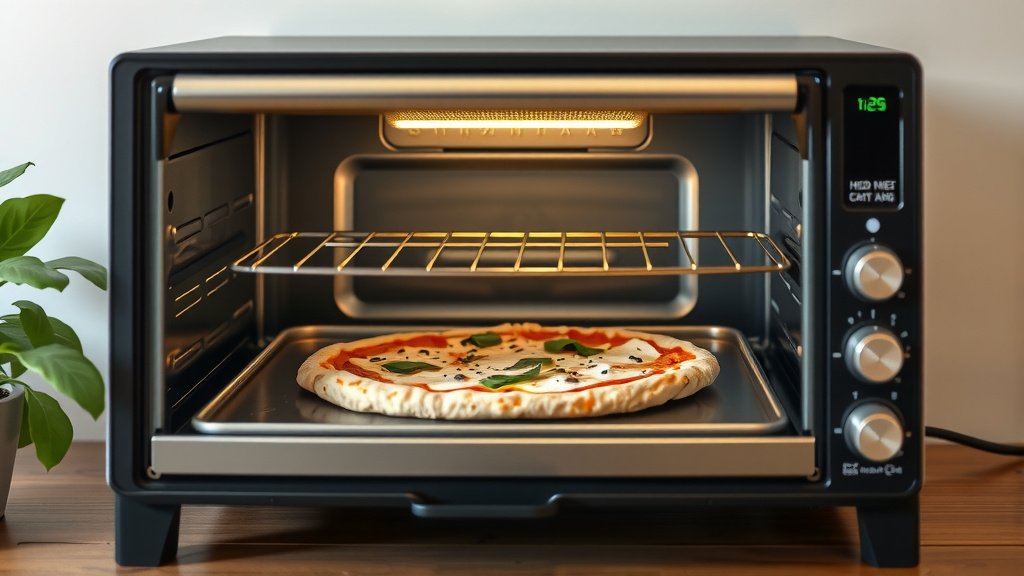
- If you like a very crispy bottom, place the pizza directly on the rack. For easier cleanup or a slightly softer crust, use a small baking sheet lined with foil.
- Place your pizza slices inside the preheated toaster oven.
- Close the door and set a timer for 5-8 minutes.
- Check the pizza. The cheese should be bubbly and melted, and the crust golden and crisp. If needed, cook for another 1-2 minutes.
- Carefully remove the pizza using tongs or a spatula.
- Let it cool for a minute or two before enjoying. This helps the cheese set and prevents burns.
Timing is Key
The exact reheating time will depend on your toaster oven and the pizza’s thickness. Thinner crusts cook faster than thick, deep-dish slices. Keep a close eye on it, especially during the last few minutes, to avoid burning.
Troubleshooting Common Pizza Reheat Issues
Even with the best intentions, sometimes things don’t go perfectly. Don’t worry, we have solutions for some common pizza reheating problems. You’ve got this!
Soggy Crust? Here’s the Fix
If your pizza crust turns out soggy, you might be using too low a temperature or a baking sheet that traps moisture. Try increasing the temperature slightly, maybe to 375°F.
Also, placing the pizza directly on the wire rack usually helps the bottom get crispier. The air circulates around it better. Many experts recommend this for maximum crispness.
Burnt Toppings? A Quick Save
Sometimes the cheese or toppings can brown too quickly while the rest of the pizza is still warming up. If you notice this, simply place a small piece of aluminum foil loosely over the top of the pizza. This will shield the toppings from direct heat, allowing the crust to catch up.
Toaster Oven Settings: A Quick Reference
Different toaster ovens have different modes. Here’s a quick guide to what settings might work best for your pizza.
| Setting | Best For | Notes |
|---|---|---|
| Bake | General reheating, even heat | Most common and reliable setting. |
| Toast | Fast browning, very crispy crust | Use with caution, can burn easily. |
| Convection Bake | Faster, more even cooking | May reduce cook time by a minute or two. |
Does Size Matter? Adjusting for Different Pizza Slices
A single, small slice will reheat faster than a large, thick piece. If you’re reheating multiple slices, try to arrange them in a single layer without overlapping.
For thicker slices, you might need to add a few extra minutes to the cook time. Always look for the bubbly cheese and golden crust as your best indicators.
Beyond Temperature: Other Tips for Amazing Reheated Pizza
Temperature is important, but a few other tricks can take your reheated pizza from good to great. These small adjustments can make a big difference in texture and taste.
Adding a Little Moisture
Sometimes, pizza can dry out a bit when reheated. To combat this, some people like to place a tiny, oven-safe cup of water next to the pizza in the toaster oven. The steam helps keep the crust and toppings from drying out too much.
Research suggests that a small amount of humidity can help maintain the food’s internal moisture during heating. Just be careful not to make it too steamy, or you’ll get a soggy result!
The Right Rack Position
Most toaster ovens have multiple rack positions. For pizza, placing it on the middle rack is usually ideal. This allows for even heat distribution from both the top and bottom elements.
If you want a crispier bottom, you could try a lower rack. For more browning on top, a higher rack works, but watch it very closely.
Conclusion
Reheating pizza in a toaster oven is simple, effective, and truly transforms leftovers into a delicious meal. By sticking to a temperature between 350°F and 375°F and following a few easy steps, you can achieve a perfectly crispy crust and melted cheese every time. Say goodbye to soggy microwave pizza and hello to a revived slice of heaven. Happy reheating!
Can I reheat frozen pizza in a toaster oven?
Yes, you can reheat frozen pizza in a toaster oven. For best results, let the pizza thaw slightly first, then follow the same temperature guidelines. If reheating directly from frozen, expect to add several minutes to the cooking time, and watch it closely to ensure it heats through evenly.
How do I prevent the pizza from drying out?
To prevent your pizza from drying out, consider reheating at the lower end of the recommended temperature range (around 350°F) for a slightly longer time. You can also loosely tent it with aluminum foil after a few minutes, or even place a small, oven-safe cup of water inside the toaster oven to create a little steam.
What if I don’t have a toaster oven?
If you don’t have a toaster oven, a conventional oven set to 375-400°F (190-200°C) also works wonderfully for reheating pizza. For stovetop reheating, place slices in a non-stick pan over medium heat, covering it for a few minutes to melt the cheese, then uncovering to crisp the crust.
Should I add oil to the pizza before reheating?
Generally, you don’t need to add oil to pizza before reheating. Pizza already has oils in the cheese and toppings. Adding more might make it greasy. The toaster oven’s dry heat is typically enough to crisp up the crust on its own.
How do I know when the pizza is perfectly reheated?
Your pizza is perfectly reheated when the cheese is fully melted and bubbly, and the crust is golden brown and crispy to your liking. If you lift a corner, the bottom should feel firm and not floppy. Trust your senses – look, smell, and then carefully feel for that ideal texture.