
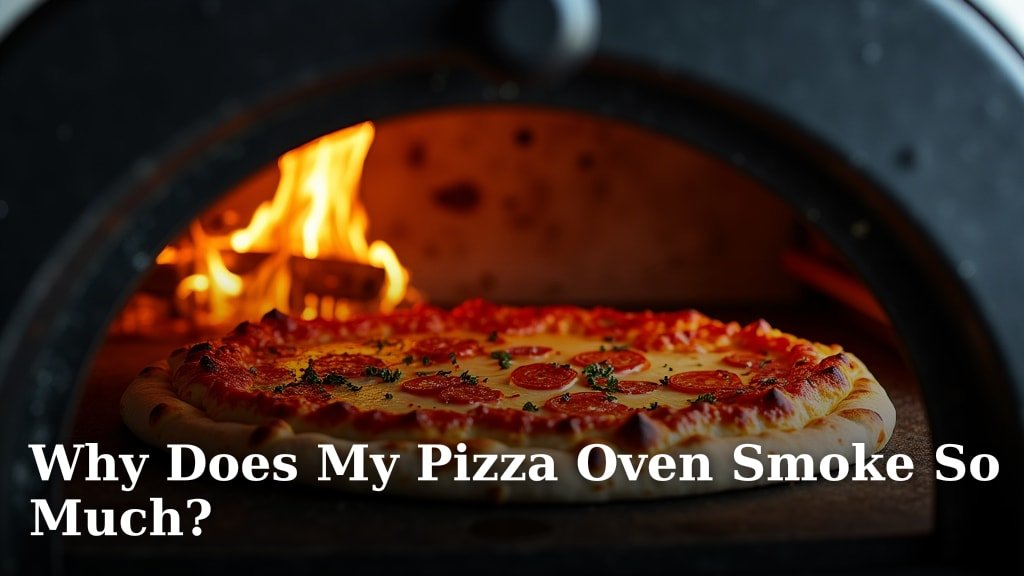
Your pizza oven smokes a lot because of a few common culprits: Understanding the ideal pizza oven temperature can help prevent excessive smoke.poor ventilation, wet wood, or too much fuel. A smoky oven means incomplete combustion, and that’s not ideal for that perfect Neapolitan char. Let’s get your oven burning clean and hot!
When a pizza oven is smoking excessively, it often indicates issues with how the fire is being managed. This can affect not only the delicious flavor of your pizza but also the longevity of your oven. We’ve researched this, and understanding these factors is key to achieving that restaurant-quality bake every time you fire it up.
- Too much smoke? Check your wood’s moisture.
- Is your vent open enough? Airflow is vital.
- Are you overloading the oven with fuel? Less can be more.
- Dirty ovens can also be a smoky surprise.
Below, we’ll walk you through the most common reasons your pizza oven might be smoking up a storm and how to fix it.
HTML code begins here.Understanding Why Your Pizza Oven is Billowing Smoke
Seeing a lot of smoke pouring from your pizza oven can be a bit disheartening. It often means something isn’t quite right with the burn. We’ve researched this common issue, and it usually boils down to a few key factors that affect how your fire burns. Let’s get to the bottom of why your oven is smoking so much and how to fix it.
The Culprits Behind a Smoky Pizza Oven Fire
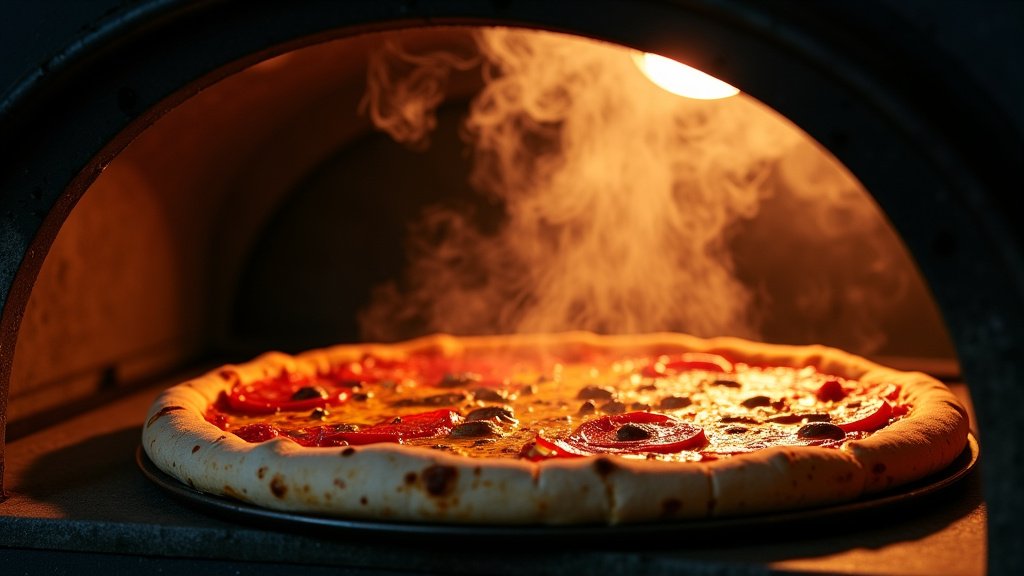
When your pizza oven produces excessive smoke, it’s a sign of incomplete combustion. This means the fuel isn’t burning efficiently, leaving behind unburnt particles. These particles are what create that thick, visible smoke. Several factors contribute to this inefficiency, and understanding them is your first step to a cleaner, hotter fire.
What Incomplete Combustion Really Means
Think of a campfire. If you throw on a huge, damp log, it smolders and smokes. But a few dry twigs ignite quickly with bright flames and very little smoke. Your pizza oven works on the same principle. Incomplete combustion wastes fuel and produces less heat than a clean burn. It can also lead to soot buildup, which we’ll discuss later.
Fuel Issues: The Wood You’re Using Matters
The type and condition of your fuel are perhaps the biggest influences on how much smoke your oven produces. Using the wrong kind of wood or wood that’s not properly prepared is a fast track to a smoky situation. We found that seasoned firewood is non-negotiable for efficient burning.
Moisture Content: The Wetter, The Smoker
This is the number one reason for excessive smoke. If your wood is wet or has a high moisture content, it will smolder instead of burning cleanly. The water in the wood has to evaporate before the wood can actually burn. This process uses up heat and releases a lot of steam and smoke. Many experts recommend firewood with a moisture content of 15-20%. Wood that’s fresh cut can have over 50% moisture!
Seasoning Your Firewood Correctly
Properly seasoned wood has been dried for at least 6 to 12 months. This allows the moisture to escape. You can often tell seasoned wood by its appearance – it looks duller, often has cracks at the ends, and sounds hollow when two pieces are knocked together. If your wood is freshly chopped or hasn’t been dried properly, you’re going to get a lot of smoke, no matter what else you do.
The Wrong Kind of Wood
Some types of wood produce more smoke than others. Softwoods like pine or fir tend to burn faster and can create more creosote and smoke. Hardwoods like oak, maple, or fruitwoods are generally denser and burn hotter and cleaner, producing less smoke. We found that using a mix of hardwoods is often ideal for pizza ovens.
Airflow and Ventilation: Giving Your Fire Room to Breathe
Your fire needs oxygen to burn effectively. If your pizza oven isn’t getting enough air, the fire will struggle, leading to smoke. This is where ventilation and airflow come into play. Think of it like trying to blow out a candle by putting a glass over it – it doesn’t take long for the flame to die out.
The Importance of the Damper
Most pizza ovens have a damper or an adjustable vent. This controls the airflow through the chimney. When you first start your fire, you want the damper open wide to allow for plenty of air to get the fire going strong. As the fire gets established and your oven heats up, you can adjust the damper to regulate the temperature. If the damper is closed too soon or too much, it chokes the fire, causing smoke.
Clearing the Chimney and Oven Mouth
A blocked chimney or an oven opening that’s too small can restrict airflow. Soot buildup can narrow the chimney over time. You need to ensure the path for smoke and air is clear. The mouth of the oven also plays a role; a properly designed oven mouth allows smoke to escape while keeping heat in.
Starting Your Fire Right for Good Airflow
When starting your fire, begin with small, dry kindling and gradually add larger pieces of seasoned wood. This method builds a strong ember bed and encourages good airflow from the start. Avoid smothering the initial flames with too much wood too soon.
Overloading the Oven: Too Much Fuel, Not Enough Fire
It might seem counterintuitive, but putting too much wood into your pizza oven at once can actually make it smoke more. This happens when you overload the firebox and don’t give the fuel enough space to breathe and burn efficiently. We found that a controlled fire is a cleaner fire.
Building a Sustainable Fire
Instead of piling on logs, try adding fuel gradually. Start with a smaller amount and let it burn down to a good bed of embers. Then, add more wood as needed to maintain the temperature. This approach ensures that each piece of wood has enough oxygen to burn completely. It’s about feeding the fire, not smothering it.
The Size of Your Fuel Matters
Using logs that are too large can also contribute to smoke. Large logs take longer to ignite and burn through. Smaller, split pieces of seasoned hardwood tend to catch fire more quickly and burn more cleanly. This means less smoke and a more consistent heat for your pizza.
Oven Cleanliness and Creosote Buildup
A pizza oven that hasn’t been cleaned regularly can become a source of smoke. Soot and creosote, which are byproducts of incomplete combustion, can build up inside your oven and chimney. This buildup not only restricts airflow but can also ignite, which is a serious fire hazard.
What is Creosote?
Creosote is a black, tar-like substance that forms when wood smoke condenses. It’s flammable and sticky. A small amount is normal in a chimney, but excessive buildup means your fire isn’t burning hot enough or clean enough. Many fire safety guidelines warn about the dangers of significant creosote accumulation.
Regular Cleaning is Key
We found that cleaning your pizza oven regularly makes a big difference. After the oven has cooled down completely, use a stiff brush to sweep out ash and debris from the oven floor. Inspect the chimney and flue for any blockages or heavy creosote buildup. A clean oven helps ensure proper airflow and a cleaner burn.
Troubleshooting Your Smoky Oven: A Quick Checklist
If you’re still struggling with smoke, run through this quick checklist. It covers the most common issues we discussed and should help you pinpoint the problem.
- Check your wood: Is it dry and seasoned? Try different wood if unsure.
- Open the damper: Ensure it’s fully open when starting and adjusted correctly.
- Don’t overload: Add wood gradually, allowing each piece to burn well.
- Clear the chimney: Make sure there are no obstructions.
- Clean the oven: Remove ash and debris from the oven floor.
- Use hardwood: Opt for dense, seasoned hardwoods over softwoods.
Conclusion
Getting your pizza oven to burn clean and hot is all about understanding the basics. We’ve seen that wet wood, poor airflow, and overloading the fire are the main culprits behind excessive smoke. By focusing on properly seasoned hardwood, ensuring your damper is open, and adding fuel gradually, you’ll significantly reduce smoke. Remember, a clean oven and chimney also play a big role in how efficiently your oven performs. Take these tips to heart and enjoy that perfect, smoky-free pizza bake!
Frequently Asked Questions
Will burning creosote damage my pizza oven?
Yes, significant creosote buildup can be problematic. It’s a sticky, flammable substance that can restrict airflow and potentially lead to a chimney fire. Regular cleaning of your oven and chimney helps prevent this buildup.
Can I use any kind of wood in my pizza oven?
It’s best to use seasoned hardwoods like oak, maple, or fruitwoods. Softwoods like pine burn quickly and can produce more smoke and creosote. Always ensure your wood is dry and properly seasoned for the best results.
How often should I clean my pizza oven?
You should sweep out ash and debris from the oven floor after each use once it has cooled. A more thorough inspection and cleaning of the chimney for creosote buildup should be done at least a couple of times a year, or more often if you notice heavy smoke.
My new pizza oven is smoking a lot. Is that normal?
Some initial smoke is normal as any new oven heats up. However, persistent heavy smoke indicates an issue, likely with the fuel or airflow, just as with an older oven. Ensure you’re using dry wood and have good ventilation from the start.
What’s the best way to start a fire in my pizza oven to avoid smoke?
Start with small, dry kindling and build up to slightly larger pieces of seasoned wood. Keep the damper fully open to allow plenty of air. Gradually add more wood as the fire grows strong and embers form, rather than smothering it with too much fuel too soon.
