
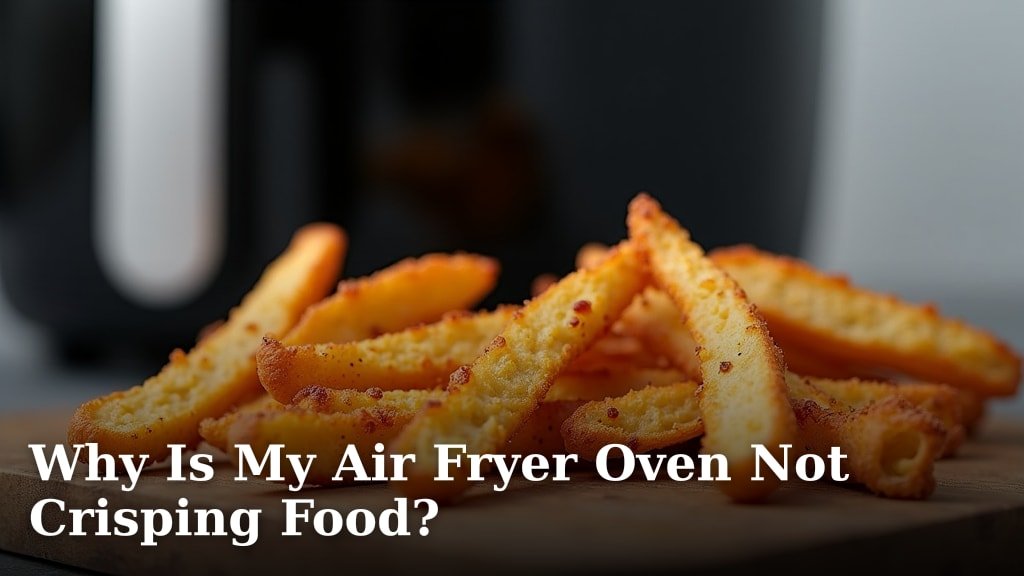
Your air fryer oven isn’t crisping food because of common mistakes like overcrowding the basket, using too much oil, or setting the wrong temperature. These issues prevent proper hot air circulation, which is key for that perfect crisp.
Many people struggle to get that desired crunch, and you’re not alone. We found that often, it comes down to a few simple adjustments in your cooking technique. Sometimes, it’s also about understanding your specific air fryer model better.
- Overcrowding limits hot air flow.
- Excess oil can make food soggy.
- Incorrect temperature or cooking time affects crispiness.
- Moisture in food needs to escape for browning.
- Your appliance might need preheating.
Let’s look at why your air fryer oven might be falling short and what you can do to get perfectly crispy results every time. We’ll guide you through the fixes.
Troubleshooting Your Air Fryer Oven for Crispier Results
Getting that perfect crisp from your air fryer oven often comes down to understanding a few key principles of how these devices work. It’s about heat, airflow, and managing moisture.
The Root of the Problem: Why Food Stays Soft
When your food isn’t crisping, it usually means one of two things: either the hot air can’t circulate properly, or there’s too much moisture preventing browning. Let’s break down these common issues.
Overcrowding the Basket Stops Airflow
Imagine a small room packed with too many people; nobody can move freely. The same goes for your air fryer basket. When you pile food too high, it blocks the hot air from reaching every surface. Air fryers work by circulating very hot air around your food, mimicking deep frying without all the oil. If the air can’t flow, you won’t get that golden, crispy exterior (USDA).
- Hot air needs space to move.
- Food items should ideally be in a single layer.
- Leave small gaps between pieces for best results.
Too Much Moisture Prevents Browning
Moisture is the enemy of crispiness. Whether it’s from the food itself or added liquids, excess water will steam your food instead of frying it. This is why some foods come out soft or soggy instead of crunchy. We found that patting food dry before air frying makes a big difference.
Optimizing Your Air Frying Technique
A few simple changes to how you prepare and cook your food can dramatically improve crispiness. These aren’t secrets, just good cooking practices applied to air frying.
Using the Right Amount of Oil (Not Too Much)
It might seem counterintuitive, but too much oil can actually prevent food from crisping. A little oil helps with browning and flavor, but an excessive amount will make your food greasy and soft. Think of it like a light coating, not a soak. We recommend using a light mist of oil or tossing food in just a teaspoon or two.
- A spray bottle works great for even distribution.
- Use high smoke point oils like avocado or grapeseed.
- Avoid butter or low smoke point oils that can burn easily.
Setting the Correct Temperature and Time
Just like a traditional oven, the right temperature is key. If the temperature is too low, your food will cook slowly and might dry out without ever getting crispy. If it’s too high, the outside might burn before the inside cooks or crisps evenly. Many air fryer recipes call for higher temperatures than conventional ovens because the cooking time is shorter. We found that most items crisp best between 350°F and 400°F. If you suspect your air fryer oven’s temperature is inaccurate, learning how to calibrate oven temperature can help ensure consistent results.
Preheating Your Air Fryer Oven
You wouldn’t put a cake in a cold oven, would you? The same idea applies here. Preheating your air fryer oven ensures that the cooking cavity is already at the optimal temperature when you put your food in. This helps start the crisping process immediately. Many models will beep when they are preheated, or you can allow 3-5 minutes for it to reach temperature.
Food Preparation Matters: Before It Hits the Basket
What you do to your food before it goes into the air fryer can be just as important as the cooking process itself. Little steps here make a big impact.
Patting Food Dry for Maximum Crisp
We can’t stress this enough: moisture is the enemy. For foods like chicken wings, French fries, or vegetables, taking a moment to pat them thoroughly dry with paper towels can prevent them from steaming. This removes surface moisture, allowing the hot air to directly work on browning and crisping the food.
Coating Food Properly
A thin, even coating can make a world of difference. This isn’t just about oil; it can also be a light dusting of flour, cornstarch, or breadcrumbs. These coatings create a surface that readily crisps up when exposed to high heat. Many home cooks report excellent results using a light dredge of cornstarch on potatoes or chicken for extra crunch.
| Problem | Solution for Crispiness |
|---|---|
| Food isn’t dry enough | Pat thoroughly with paper towels. |
| Basket is overcrowded | Cook in smaller batches; single layer. |
| Not enough oil (or too much) | Use a light, even spray or toss in a small amount. |
| Temperature is too low | Increase temperature, typically 350-400°F. |
| Not preheating | Always preheat for 3-5 minutes. |
During the Cook: Staying Engaged
Air frying isn’t always a “set it and forget it” task. A little attention during the cooking process can ensure even crisping and prevent burnt spots.
Shaking and Flipping Food Regularly
To ensure every side of your food gets exposed to that circulating hot air, you need to shake the basket or flip items partway through cooking. For smaller items like fries or chicken nuggets, shaking every 5-7 minutes works well. Larger items, like chicken breasts or fish fillets, benefit from a single flip halfway through their cooking time. This helps achieve uniform browning and crispiness (Cleveland Clinic).
Checking for Doneness and Adjusting
Every air fryer is a little different, and so is every piece of food. Use a food thermometer to check internal temperatures for safety. But for crispiness, use your eyes. Is it golden brown? Does it sound crispy when you tap it? If not, a few more minutes might be needed. Don’t be afraid to adjust cooking times based on how your food looks. If you’re still struggling to get crispy food, you might need to troubleshoot a air fryer oven for other potential issues.
Quick Checklist for Crispy Air-Fried Food
Here’s a simple checklist to run through next time you’re air frying:
- Did I preheat the air fryer oven?
- Is the food patted dry?
- Is there a light, even coat of oil?
- Is the basket free of overcrowding?
- Am I shaking/flipping the food regularly?
- Is the temperature appropriate for the food?
Conclusion
Achieving perfectly crispy food from your air fryer oven is entirely within your reach. We’ve learned it’s often about avoiding common pitfalls like overcrowding or too much moisture. By making small adjustments, such as preheating, using minimal oil, and shaking your food, you can transform your air frying results. You now have the tools to troubleshoot and refine your technique.
Take these tips into your kitchen. Your next batch of air-fried food will be golden, crunchy, and delicious!
Frequently Asked Questions
Can a dirty air fryer affect crispiness?
Yes, a dirty air fryer can impact performance. Grease and food debris can block vents, reducing hot air circulation. This prevents even cooking and crisping, so regular cleaning is essential for best results.
Why are my homemade fries not crisping in the air fryer?
Homemade fries often struggle to crisp due to excess moisture or starch. Try soaking cut potatoes in cold water for 30 minutes to remove starch, then pat them thoroughly dry. A light toss in oil and a dusting of cornstarch also helps immensely.
Does opening the air fryer often reduce crispiness?
Opening the air fryer basket frequently causes temperature fluctuations. Each time you open it, hot air escapes, and the internal temperature drops. This can prolong cooking time and prevent consistent crisping.
What’s the best oil to use for maximum crispiness?
For maximum crispiness, use oils with a high smoke point that can withstand high air fryer temperatures. Avocado oil, grapeseed oil, or canola oil are excellent choices. They coat food evenly and promote browning without burning.
My food is cooked but not crispy, what went wrong?
If your food is cooked but not crispy, it usually points to a lack of surface dehydration and browning. This can happen if the temperature was too low, the basket was overcrowded, or the food had too much moisture. Review your steps against our checklist.
