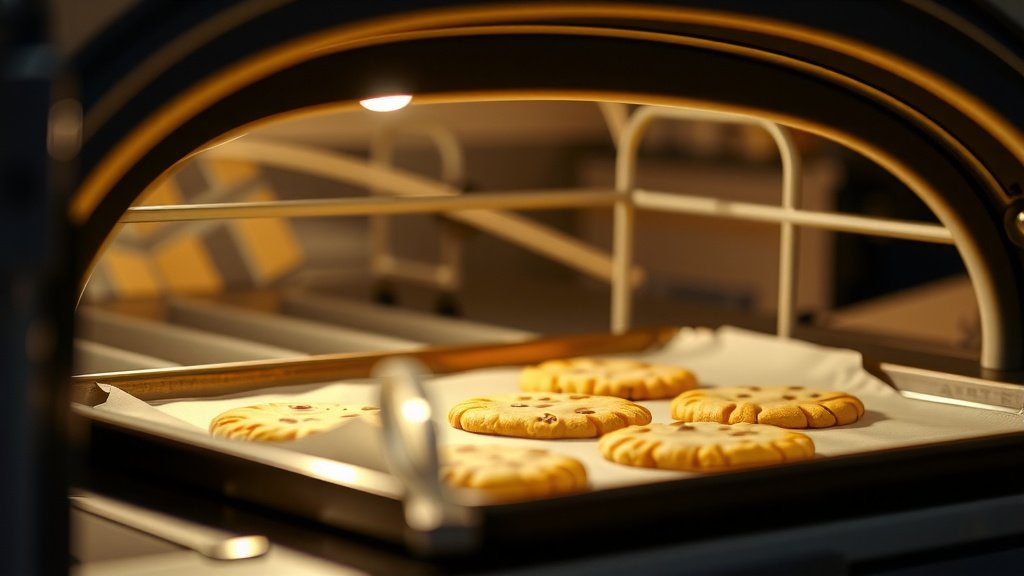
You can absolutely bake delicious cookies in a pizza oven by managing the high heat carefully and using the right techniques.
For making cookies in a pizza oven, success hinges on temperature control, quick baking times, and using suitable bakeware.
Here’s the short and sweet on baking cookies in a pizza oven:
- Pizza ovens bake cookies incredibly fast due to extreme heat.
- Always use a baking steel or cast-iron pan for even heat distribution.
- Monitor oven temperature closely and be ready to rotate trays often.
- Shield your cookies from direct flames to prevent burning edges.
- Adjust your cookie recipe or baking time significantly for perfect, chewy results.
How To Make Cookies In A Pizza Oven?
Baking cookies in a pizza oven is definitely possible and can yield fantastic results if you master the oven’s intense heat. It requires careful temperature management and quick reflexes.
Why Bake Cookies in a Pizza Oven?
Using a pizza oven for cookies might seem a bit unusual at first. Yet, the intense, radiant heat offers a unique baking experience that a conventional oven simply can’t match.
Many baking enthusiasts report that cookies baked this way develop a remarkably crispy exterior and a chewy interior. It’s a fantastic experiment for any home baker.
The High-Heat Advantage
The extreme heat in a pizza oven cooks cookies incredibly fast. This rapid baking helps to lock in moisture, preventing them from drying out. Think of it like a quick sear for your sweets.
We found that this method creates a delightful texture contrast, often enhancing the overall cookie experience. It’s a rewarding challenge for your baking skills.
Setting Up Your Pizza Oven for Cookies
Preparing your pizza oven for cookies is different from preparing it for pizza. You want a more even, sustained heat rather than just a searing floor temperature.
Aim for a slightly lower temperature than your typical pizza baking range, but still much hotter than a standard home oven. Around 400-500°F (200-260°C) is often a good starting point.
Achieving the Right Temperature Zone
Temperature control is your most crucial tool here. You need to create hot zones and cooler zones within the oven. Many experts suggest using a reliable infrared thermometer to check surfaces.
The goal is a consistent temperature on your baking surface, which might mean letting the oven cool slightly after a pizza session. This prevents immediate burning.
Fuel Choices Matter for Even Heat
Whether you use wood, gas, or charcoal, your fuel impacts heat distribution. Wood fires create dynamic, fluctuating heat, demanding constant attention and movement of your cookies.
Gas ovens often offer more consistent temperatures, making them a little easier for beginners. We found that a steady heat source helps maintain predictable baking conditions (USDA).
Cookie Dough Selection: What Works Best?
Not all cookie doughs are created equal for the pizza oven. Rich, sturdy doughs with a good fat content tend to perform better. Thin, delicate cookies might burn too quickly.
Chocolate chip, oatmeal, and peanut butter cookies often yield excellent results. Their composition helps them withstand the intense, radiant heat of the oven.
Recipe Adjustments You Might Need
You might need to adjust your usual cookie recipes slightly. Reducing sugar can help prevent excessive browning. Also, consider chilling your dough thoroughly before baking.
A colder dough will spread less rapidly and give you more time to react to the oven’s heat. Many bakers find that a firm, cold dough is essential for success.
Essential Equipment for Cookie Success
Having the right tools is half the battle when baking in a pizza oven. These specific items will help you manage the heat and protect your cookies.
Baking Steels and Cast Iron: Your Best Friends
Direct contact with the intensely hot oven floor will incinerate your cookies. A baking steel or cast-iron pan acts as a buffer, absorbing and distributing heat evenly.
These heavy pieces of bakeware create a more stable baking environment, reducing hot spots. They are truly indispensable for consistent results, we found.
| Bakeware Type | Pros for Pizza Oven Cookies | Cons for Pizza Oven Cookies |
|---|---|---|
| Baking Steel | Excellent heat retention, even cooking surface, quick baking. | Heavy, requires long preheating, can over-brown bottoms. |
| Cast Iron Pan | Great heat distribution, rustic appeal, versatile. | Also heavy, takes time to heat up, needs careful seasoning. |
| Heavy Duty Baking Sheet | Lighter, easier to handle, good for quick rotation. | May warp at high temps, less even heat than steel/iron. |
Parchment Paper and Pizza Peels
Always use parchment paper. It prevents sticking and makes transferring cookies much easier. A good quality parchment can withstand high temperatures without burning.
A sturdy pizza peel is essential for sliding bakeware in and out quickly. You’ll be moving your cookies around a lot, so a reliable peel is a must-have tool.
The Baking Process: From Prep to Plate
Baking cookies in a pizza oven is a fast-paced operation. It demands your full attention and quick, decisive actions. Think of it like a sprint, not a marathon.
Before you even think about placing that dough, a quick checklist:
- Is your pizza oven at the right consistent temperature?
- Do you have your chosen bakeware preheated and ready?
- Is your cookie dough portioned and ready to go on parchment?
- Are your oven mitts, pizza peel, and tongs within easy reach?
- Do you have a cooling rack ready for your freshly baked cookies?
Preheating Your Bakeware
Place your baking steel or cast-iron pan inside the oven to preheat for at least 10-15 minutes. This ensures the entire surface is uniformly hot before your cookies go in.
Preheating helps the cookies start baking immediately upon contact, leading to that desired crispy edge. Don’t skip this crucial step, say many chefs (Culinary Institute of America).
Quick Baking Times and Rotation
Cookies in a pizza oven will bake incredibly fast, often in just 2-4 minutes. You must stay vigilant. Be prepared to rotate your bakeware frequently, even every 30-60 seconds.
Move cookies from hotter zones to cooler zones to ensure even cooking. This constant movement prevents one side from burning while the other remains raw.
Spotting the Perfect Doneness
Look for golden-brown edges and a slightly set, but still soft, center. They will continue to cook a little on the pan after removal due to residual heat.
Trust your instincts and watch closely, as every oven behaves differently. Experience builds confidence in knowing when they are just right.
Common Challenges and How to Fix Them
You might encounter a few hurdles when you first try this. Don’t get discouraged! These are common and solvable issues.
Preventing Burnt Bottoms
Burnt bottoms are a classic sign of too much direct heat from the oven floor. Ensure your baking steel or cast-iron pan is properly preheated and providing a buffer.
You can also try elevating your bakeware slightly if possible, or using an additional layer of parchment paper for insulation. Monitoring closely is always the best defense against burning.
Dealing with Uneven Baking
Uneven baking usually comes from inconsistent heat distribution within the oven. Regularly rotating your cookie sheet or pan is the primary solution.
Some ovens have distinct hot and cold spots. Learning your oven’s particular quirks will help you position and move cookies strategically to achieve uniform golden goodness.
Final Tips for Amazing Pizza Oven Cookies
Patience and practice are your best friends here. Each batch will teach you something new about your oven and your technique.
Cooling Your Masterpiece
Once baked, immediately transfer your cookies to a wire cooling rack. This stops the cooking process and allows air to circulate, preventing soggy bottoms. It’s a small step with big impact.
Conclusion
Baking cookies in a pizza oven is a unique and rewarding culinary adventure. It demands your attention, quick adjustments, and the right tools. While challenging, the result can be a batch of cookies with an unparalleled texture and flavor profile.
Embrace the high heat, learn your oven’s character, and don’t be afraid to experiment. With a little practice, you’ll be enjoying delicious, perfectly baked cookies straight from your pizza oven. It’s a fantastic way to expand your baking horizons and impress your friends.
Can I Use Store-Bought Cookie Dough in a Pizza Oven?
Yes, you can use store-bought cookie dough in a pizza oven. However, be extra vigilant with baking times as they will cook much faster than indicated on the package. Start checking after just 1-2 minutes and rotate often to prevent burning.
What Temperature Should a Pizza Oven Be for Cookies?
For most cookies, aim for a temperature between 400-500°F (200-260°C) on your baking surface. This is hotter than a conventional oven but slightly cooler than the peak temperature for Neapolitan pizza. Use an infrared thermometer to verify the surface temperature of your baking steel or cast iron.
How Long Does It Take to Bake Cookies in a Pizza Oven?
Baking cookies in a pizza oven typically takes only 2 to 4 minutes. The intense heat cooks them very quickly. You will need to rotate the cookies frequently, perhaps every 30-60 seconds, to ensure even baking and prevent burning.
Are There Any Cookies I Shouldn’t Bake in a Pizza Oven?
Cookies with very delicate batters or those that require long, slow baking (like some shortbreads or highly intricate designs) might not fare well in a pizza oven. They can burn before cooking through or lose their shape due to rapid heating. Stick to sturdier doughs initially.
What’s the Best Way to Clean a Pizza Oven After Baking Cookies?
After baking cookies, let your pizza oven cool down completely. Then, simply brush any crumbs or residue from the oven floor and your bakeware using a stiff-bristled brush. For stubborn spots on your baking steel or cast iron, a mild scrub with hot water and a scraper can help, followed by thorough drying.