
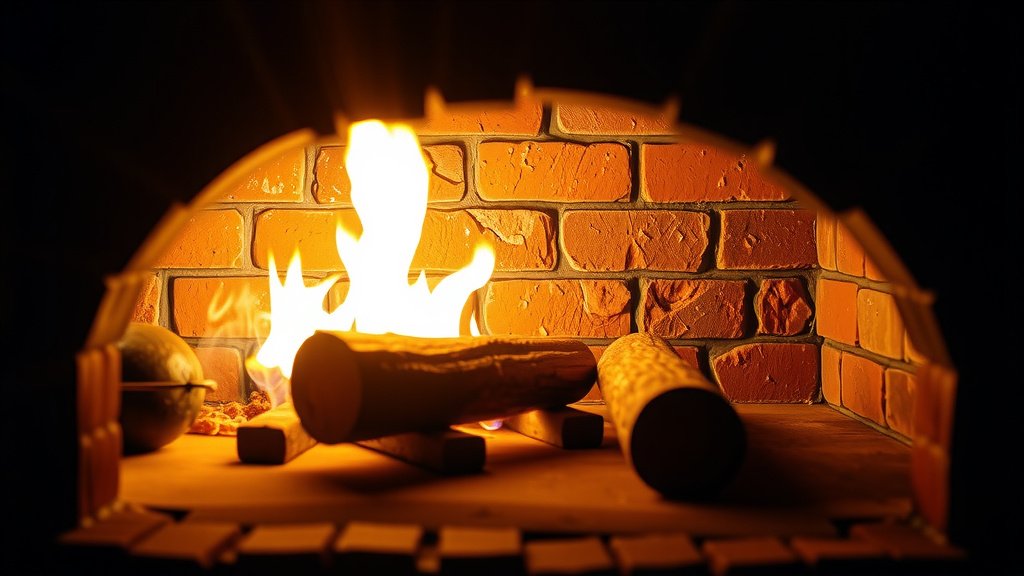
To manage fire in a wood fired pizza oven, you primarily control it by adjusting the placement of your burning wood and coals, as well as managing airflow.
You’ll learn to achieve consistent cooking temperatures by maintaining a steady flame and raking coals strategically.
Here’s a quick overview of what you’ll find in this guide:
- Understand how to build a fire for consistent heat.
- Discover the right wood types for your oven.
- Learn to monitor and adjust oven temperature effectively.
- Get familiar with essential tools for fire management.
- Master the art of moving coals and managing the flame.
- Avoid common mistakes for a perfect pizza every time.
How To Manage Fire In A Wood Fired Pizza Oven?
Managing fire in a wood fired pizza oven involves a blend of smart setup, mindful fueling, and responsive adjustment of your wood and coals.
It’s all about creating and maintaining the ideal heat for that perfect, crispy crust and bubbly cheese.
Understanding Oven Heat Zones
Think of your pizza oven as having distinct heat zones. You have the direct heat from the flame, radiant heat from the dome, and residual heat from the floor.
Understanding these zones helps you place your pizza correctly and manage the fire effectively. Many experts say a well-distributed heat is key (Forno Bravo).
The “Sweet Spot” for Pizza
Where’s the best place for your pizza? Often, it’s away from the direct flame but close enough to get that quick, intense cook.
You want to cook with the stored heat in the oven walls and the residual heat from the floor, not just the fire itself.
Building the Perfect Fire
Starting your fire right sets the stage for easy management. Don’t just throw logs in; build it strategically.
A good fire starts small and grows, much like a tiny seedling becoming a strong tree.
Fueling Your Flame
Begin with a small pile of kindling – think small sticks or natural firelighters. Stack a few progressively larger pieces of wood on top, allowing good airflow.
Light your kindling, and once it catches, the larger pieces will follow. We found that slow, steady growth prevents smoke and promotes clean burning.
Monitoring Temperature
How do you know if your oven is ready? A good infrared thermometer is your best friend here. Point it at the oven floor and dome.
Most pizza ovens need to reach temperatures between 700-900°F (370-480°C) for true Neapolitan-style pizza (VPN Association).
Reading the Oven’s Signals
Beyond the thermometer, watch the soot on your oven dome. When it turns white or burns off, it’s often a sign your oven has reached optimal temperature.
This “cleaning” of the dome tells you the radiant heat is intense and stable.
Tools for Fire Control
Having the right tools makes fire management a breeze. You’ll need a few essentials to move wood and coals safely and efficiently.
Imagine trying to bake without a spatula – it’s just not practical!
- Oven Peel: For sliding pizzas in and out.
- Metal Brush: To clean the oven floor.
- Ash Shovel: For removing ash.
- Fire Rake/Poker: Absolutely essential for moving logs and coals.
- Infrared Thermometer: To check temperatures accurately.
Moving the Coals
This is where the real magic happens. Once your oven is hot, the large flames are less important than a glowing bed of coals.
You’ll often rake these coals to one side, away from where your pizza will sit, creating a consistent heat source.
Adjusting the Flame
Want a hotter oven? Add a small log to the existing coals. Need to calm things down? Spread the coals thinner or remove some ash.
The goal is a steady, rolling flame that kisses the top of your oven dome, providing even heat distribution.
Common Fire Management Mistakes
Don’t worry, everyone makes mistakes when learning. The trick is to learn from them quickly.
One common mistake? Too much wood, too soon. This can lead to a smoky oven and an inconsistent burn.
Balancing Oven Zones
Are you burning too much in one spot? If your pizzas are cooking unevenly, you might have a hot spot. Try spreading your coals more or rotating your pizza more often.
Many experts emphasize even heat across the oven floor for optimal results.
Knowing When to Add Wood
Adding wood too early can drop your oven temperature and create excess smoke. Wait until your existing wood has burned down to glowing embers.
Then, introduce smaller, dry pieces. We found that smaller pieces catch faster and maintain heat better.
Choosing the Right Wood for Your Pizza Oven
The type of wood you use matters a lot. Different woods burn at different rates and produce various flavors.
You want hardwood that is seasoned (dry) for the best results, as wet wood creates smoke, not heat.
| Wood Type | Burn Characteristics | Flavor Profile (subtle) |
|---|---|---|
| Oak | Slow, steady burn; very hot. | Mild, earthy aroma. |
| Maple | Good heat output; moderate burn time. | Slightly sweet and nutty. |
| Apple | Moderate heat; pleasant aroma. | Fruity, often recommended for chicken. |
| Cherry | Consistent heat; burns cleaner. | Subtle, sweet, mild fruitiness. |
| Ash | Good flame; burns hot and quick. | Neutral, clean burn. |
Safety First: Fire Extinguishing Tips
When you’re done cooking, what do you do with the fire? Never just leave it unattended. Safety is paramount.
Allow the fire to die down naturally. Once only embers remain, you can close the oven door and flue to starve the fire of oxygen, letting it cool slowly.
Always have a fire extinguisher or a bucket of sand nearby when operating your wood-fired oven (NFPA).
Troubleshooting: Too Much or Too Little Fire
Is your oven roaring too hot, or barely holding temperature? Don’t panic, these are common issues with simple fixes.
It’s like learning to drive; sometimes you hit the gas too hard, sometimes not enough.
Oven Too Hot?
If your oven is overheating, spread your coals out with your rake. You can also try removing a few smaller embers with your shovel.
Closing the door for a short period can also help reduce oxygen, thus lowering the flame intensity, but remember to reopen it before cooking.
Oven Not Hot Enough?
If the temperature is dropping, push your coals together to concentrate the heat. Add a small, dry piece of wood to the glowing embers.
Ensure your flue is open enough to provide sufficient oxygen for a healthy flame. A small, consistent flame is better than a huge, uncontrolled one.
Your Fire Management Checklist
Keep this quick checklist handy to ensure smooth fire management every time you use your oven:
- Use only dry, seasoned hardwood.
- Start with kindling, then gradually add larger logs.
- Monitor temperature with an infrared thermometer.
- Use your fire rake to adjust coals and add wood.
- Maintain a consistent, modest flame.
- Allow the oven to “clean” before cooking.
- Prioritize safety: have extinguishing tools ready.
Conclusion
Mastering fire management in your wood fired pizza oven takes a little practice, but it’s incredibly rewarding. You’re not just cooking; you’re engaging with an ancient art form.
By understanding your oven’s heat, using the right tools, and making small, consistent adjustments, you’ll be making restaurant-quality pizzas right in your backyard. Enjoy the process and the delicious results!
How do I make my pizza oven hotter?
To make your pizza oven hotter, you should add more dry, seasoned hardwood to your existing bed of glowing coals. Push the coals closer together to concentrate the heat and ensure proper airflow by keeping your flue open.
Can I use any wood in a pizza oven?
No, you should only use dry, seasoned hardwood in a pizza oven. Softwoods, treated wood, or wet wood will produce excessive smoke, creosote buildup, and off-flavors, which can be harmful and unpleasant.
How long does it take for a wood-fired pizza oven to heat up?
The heat-up time for a wood-fired pizza oven varies depending on its size, insulation, and the ambient temperature, but it typically takes 60-90 minutes to reach optimal cooking temperatures (700-900°F or 370-480°C).
Should I remove ashes before lighting my pizza oven?
While a small layer of ash can provide some insulation, it’s generally best to remove excess ash before lighting your oven. Too much ash can smother the fire and reduce airflow, making it harder to reach and maintain high temperatures.
How do I know if my pizza oven is at the right temperature?
The most reliable way to know if your pizza oven is at the right temperature is by using an infrared thermometer to measure the floor and dome. Additionally, the soot on the oven’s interior walls should burn off, leaving them clean and white.
