
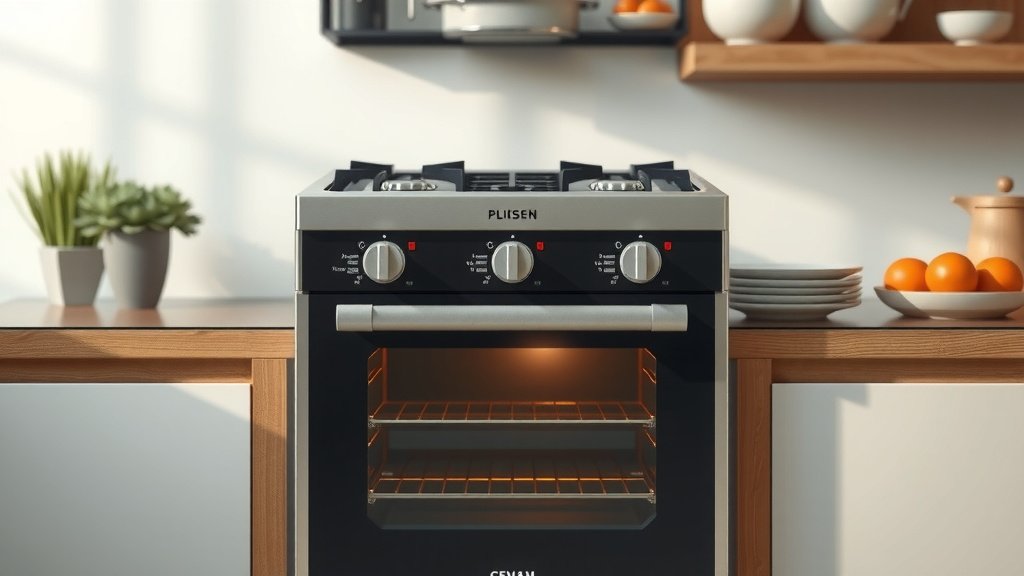
Yes, a gas oven can produce carbon monoxide as a byproduct of burning natural gas or propane, particularly if the combustion is incomplete.
While a properly functioning gas oven produces very little CO, issues like poor ventilation or burner malfunctions can increase CO levels to dangerous amounts.
- A gas oven does produce carbon monoxide, but usually in safe, very low amounts when working correctly.
- The danger arises when your oven is not operating properly, leading to incomplete fuel burning.
- Good ventilation and regular oven maintenance are your first lines of defense against CO build-up.
- Install a carbon monoxide detector in your home for continuous monitoring and peace of mind.
- Knowing the signs of CO poisoning is vital for immediate action and your family’s safety.
Does A Gas Oven Produce Carbon Monoxide?
Indeed, a gas oven produces carbon monoxide (CO) when it burns natural gas or propane for cooking. This is a normal part of the combustion process.
When your oven functions as it should, the amount of CO released is very low and generally not a problem in a well-ventilated kitchen.
How Does Carbon Monoxide Form in Your Oven?
Carbon monoxide forms during incomplete combustion of fuel. Think of it like this: your oven needs oxygen to burn gas efficiently.
If there’s not enough oxygen, the gas doesn’t burn completely, and instead of just carbon dioxide and water, you get carbon monoxide.
The Science of Incomplete Combustion
Imagine your oven as a tiny campfire. For a clean, hot flame, you need plenty of air. If you restrict the air, the fire gets smoky, right?
Similarly, a gas oven needs a good air-to-fuel ratio. If this balance is off, CO gas can start to build up.
What Makes CO Levels Dangerous?
The danger begins when CO levels become high enough to harm you. Carbon monoxide is often called the “silent killer” because it’s colorless, odorless, and tasteless.
You can’t see, smell, or taste it, making it incredibly deceptive. We found that it displaces oxygen in your blood, starving your organs (CDC).
Common Causes of High CO from Your Oven
Several factors can lead to increased CO emissions from your gas oven. Are you aware of what they are?
These range from simple maintenance issues to more significant problems with the appliance itself, so it is important to pay attention.
- Blocked Vents: Make sure your oven’s exhaust vents are clear and not obstructed.
- Dirty Burners: Food spills can clog burners, causing inefficient gas burning.
- Lack of Ventilation: Cooking in an unvented kitchen allows CO to accumulate.
- Pilot Light Issues: An orange or yellow pilot light often signals incomplete combustion.
- Cracked Heat Exchanger: This can be a serious issue, allowing exhaust gases to escape.
What Are the Symptoms of Carbon Monoxide Poisoning?
Recognizing the symptoms of CO poisoning is vital. They can often mimic flu symptoms, making them tricky to identify.
You might feel unwell, but you may not connect it to your oven or other gas appliances (Mayo Clinic).
Early Warning Signs You Should Not Ignore
Pay close attention to how you feel, especially when cooking with your gas oven. Your body often gives you signals.
Here are some early indicators that something might be amiss with the air quality in your home:
You might experience a dull headache, feel dizzy or nauseous, or generally have a sense of weakness. Fatigue and shortness of breath are also common.
Severe poisoning can lead to confusion, vision problems, loss of consciousness, and can even be fatal. Always seek fresh air immediately.
How to Stay Safe: Practical Solutions for Your Home
Protecting yourself and your loved ones from carbon monoxide poisoning is simpler than you might think. It really comes down to awareness and preparation.
A few simple steps can make a huge difference in ensuring your gas oven is a safe part of your kitchen.
Install Carbon Monoxide Detectors
This is your most important safeguard. Think of a CO detector as your invisible bodyguard, always on alert.
Install battery-operated or hard-wired CO detectors on every level of your home, especially near sleeping areas (EPA).
Ensure Proper Ventilation
When you’re using your gas oven, always use your exhaust fan. It’s there for a reason, right?
Opening a window slightly can also help improve air circulation, helping to dispel any CO that might build up.
Regular Oven Maintenance
Just like your car needs oil changes, your gas oven needs regular check-ups. How often do you really look at your oven?
Have a qualified technician inspect your gas oven and other gas appliances annually to ensure they are operating safely and efficiently.
Check Your Oven’s Flame
Take a peek at the flame inside your oven. Does it look correct? A healthy gas flame should be mostly blue.
If you see a lot of yellow or orange flames, especially if they appear lazy or flickering, it’s a sign of incomplete combustion and a potential CO risk.
What Are Safe Carbon Monoxide Levels?
Understanding safe CO levels helps you gauge potential danger. A CO detector measures parts per million (ppm).
Knowing the numbers can help you decide when to act and when to just monitor.
| CO Level (PPM) | Potential Effect |
|---|---|
| 0-9 ppm | Normal background levels, generally considered safe. |
| 10-34 ppm | Minor effects like headaches after prolonged exposure. |
| 35-69 ppm | Noticeable symptoms: headaches, dizziness, nausea over hours. |
| 70-149 ppm | Significant symptoms: severe headaches, disorientation within hours. |
| 150+ ppm | Dangerous, potential for unconsciousness or fatality within minutes to hours. |
When Should You Call for Help?
If your CO detector goes off, or if you suspect carbon monoxide poisoning, what do you do first?
Remember, acting quickly can be a life-saving decision for everyone in your home.
Emergency Steps for Suspected CO Leaks
Do not hesitate. Your immediate actions matter most. Get everyone out of the house first.
Then, contact your gas company or emergency services from a safe location. They are trained to handle these situations.
Conclusion
While a gas oven does produce carbon monoxide, a properly maintained and well-ventilated appliance poses little risk. The key to your safety lies in vigilance and preventative measures.
By installing CO detectors, ensuring good ventilation, and scheduling regular professional maintenance, you can enjoy the convenience of your gas oven with complete peace of mind. Your health and safety are worth the effort.
FAQs About Gas Ovens and Carbon Monoxide
Is it normal to smell gas when using my oven?
A slight gas smell when lighting the oven or burner is often normal and should dissipate quickly. If you smell strong gas continuously or after the burner is lit, turn off the oven and call for professional service immediately. This could indicate a gas leak.
Can a gas oven cause headaches without a CO detector alarm?
Yes, it’s possible. CO detectors typically alarm at specific, sustained levels of carbon monoxide. Low levels of CO exposure over a longer period, even below alarm thresholds, can still cause symptoms like headaches, dizziness, or fatigue. Trust your body and seek fresh air if you feel unwell.
How often should I have my gas oven professionally checked?
Many experts and manufacturers recommend having your gas oven and other gas appliances inspected annually by a qualified technician. This regular check-up helps ensure safe operation and can catch potential issues before they become dangerous.
What color should the flame in my gas oven be?
A healthy gas flame in your oven should primarily be blue, with perhaps a tiny flicker of yellow at the very tips. If you see a lot of orange or yellow flames, or if the flame is very lazy, it suggests incomplete combustion, which can produce more carbon monoxide. This is a sign to call a technician.
Where should I install carbon monoxide detectors in my home?
Install CO detectors on every level of your home, especially near sleeping areas and in main living spaces. It’s also a good idea to place one within 10-15 feet of your gas oven or other fuel-burning appliances. Avoid placing them directly next to cooking appliances, as minor CO bursts from normal operation might trigger false alarms.
