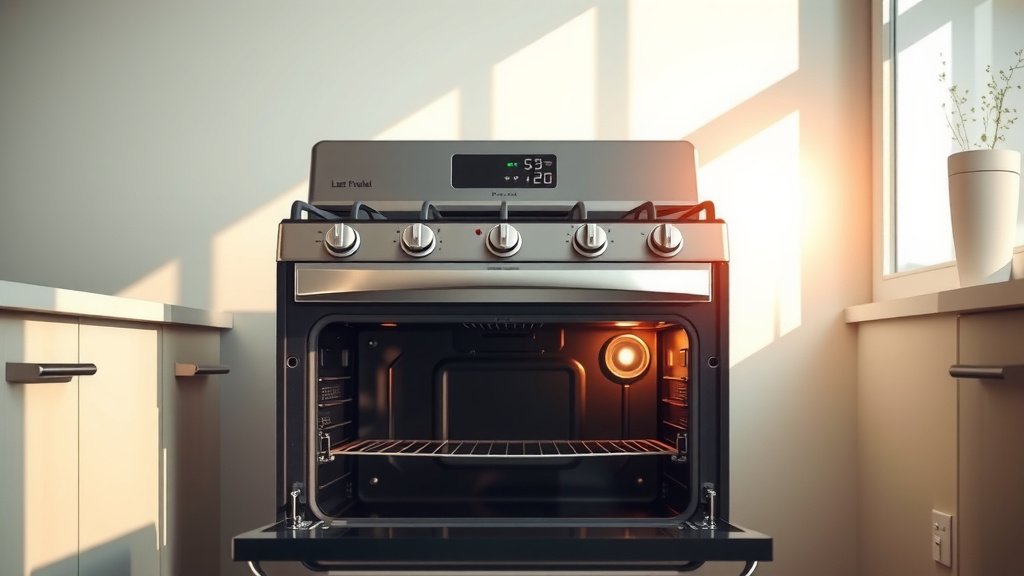
Your gas oven likely keeps turning off due to a faulty igniter, a malfunctioning thermocouple, or an interrupted gas supply to the burner.
These common issues prevent the oven from maintaining a consistent flame, triggering its safety mechanisms to shut down the heating process.
Here’s a quick overview of why your gas oven might be playing hide-and-seek with its flame:
- The igniter, a small but mighty heating element, might be weak or failing.
- A faulty thermocouple could be incorrectly signaling that the flame is out, even when it’s lit.
- You might have gas supply problems, either from your home’s line or the oven’s safety valve.
- Sometimes, poor ventilation or even a glitch in the control board can be the culprit.
Why Does Gas Oven Keep Turning Off?
When your gas oven keeps turning off, it’s often a sign that a key component related to its heating or safety system isn’t working as it should. This isn’t just an annoyance; it’s the oven’s way of signaling a problem that needs attention.
The Unsung Hero: Your Igniter
Think of your oven’s igniter as the tiny spark that starts the whole cooking party. If this component isn’t glowing brightly enough, it won’t signal the gas valve to open fully or stay open. Research often shows a weak igniter is a primary cause of gas oven cycling issues (Appliance Repair Pros Association).
How Does a Weak Igniter Act?
A weak igniter might glow, but not intensely enough to ignite the gas consistently. It’s like trying to start a campfire with a damp match; you get a little warmth, but no sustained flame. This can cause the oven to light for a moment, then shut right back off.
Thermacouple Troubles: A Safety Watchdog
The thermocouple is a crucial safety device in your gas oven. Its job is to detect if the pilot light or main burner flame is actually on. If it doesn’t sense a consistent flame, it will cut off the gas supply to prevent gas leaks.
What Happens When the Thermocouple Fails?
When a thermocouple gets dirty or wears out, it might falsely believe there’s no flame present. We found that this often leads to the oven lighting up for a few minutes, then extinguishing, believing the flame has gone out (Gas Appliance Manufacturers Association).
Gas Flow Glitches: The Fuel Line
Your oven needs a steady, sufficient supply of natural gas to stay lit. Any interruption or restriction in this flow can cause the flame to flicker and die. It’s like trying to drink through a bent straw; you just don’t get enough to keep going.
Is Your Gas Valve to Blame?
Sometimes, the gas safety valve itself can be the issue. This valve controls the gas flow to the burner. If it’s sticky, dirty, or worn, it might not open fully or could close prematurely, starving the burner of fuel.
Ventilation Matters: Airflow Restrictions
Believe it or not, your oven needs proper airflow to maintain a stable flame. If the oven cavity isn’t getting enough oxygen or if exhaust gases can’t escape, it can disrupt the burner’s operation. Many experts say clogged vents are an overlooked problem.
Clogged Vents and Their Impact
Accumulated grease and food debris can block the oven’s vents, both for intake and exhaust. This creates an imbalance that can cause the flame to struggle for oxygen or be smothered by its own exhaust. It’s a simple fix that’s often missed during routine cleaning.
Control Board Quirks: The Brain of Your Oven
While less common than igniter or thermocouple issues, a faulty electronic control board can also cause your oven to cycle off. This board manages all the oven’s functions, including igniting the flame and maintaining temperature.
Signs of a Control Board Problem
If the igniter and thermocouple seem fine, and your gas supply is strong, the control board might be sending incorrect signals. You might notice other electronic quirks too, such as display issues or unresponsive buttons, indicating a deeper electrical problem.
The Pressure Regulator: A Hidden Factor
Every gas oven has a pressure regulator that ensures a consistent gas pressure reaches the burner. If this component is failing, the gas flow might be too low or inconsistent, leading to the flame going out. It’s like a traffic cop for your gas, ensuring a smooth, steady flow.
Troubleshooting Steps: What Can You Do?
Before calling a technician, there are a few things you can safely check. Remember, safety first! Always ensure the oven is off and cool before inspecting any parts.
- Check the igniter’s glow: Does it get bright orange-red within 30-60 seconds?
- Listen for the gas: Can you hear gas flowing before the igniter lights?
- Inspect the burner ports: Are they clean and free of debris?
- Verify gas supply: Are other gas appliances working correctly?
- Look for vent blockages: Are the oven’s vents clear of grease and food?
DIY vs. Professional Help: When to Call for Back-up
Some issues are simple to fix yourself, especially if you’re handy. Others are best left to the experts. We found that attempting complex gas appliance repairs without proper training can be hazardous (Consumer Product Safety Commission).
| Problem Type | DIY Potential | When to Call a Pro |
|---|---|---|
| Weak Igniter | Medium (if comfortable with basic electrical work) | Unsure about wiring, gas leaks suspected |
| Dirty Thermocouple | High (often just needs cleaning) | If cleaning doesn’t work, replacement needed |
| Gas Supply Issues | Low (beyond pilot light check) | Always, involves gas lines/regulators |
| Clogged Vents | High (simple cleaning) | If blockage is internal or hard to reach |
| Control Board Failure | Low (complex electronics) | Requires diagnostic tools and specific part knowledge |
Preventative Maintenance Tips
A little care goes a long way in keeping your oven happy. Regular cleaning and attention can help prevent many common issues that lead to your gas oven turning off.
Keep it Clean, Keep it Running
Regularly clean your oven, especially around the burner and vent areas. Food spills and grease buildup are often hidden culprits behind various malfunctions. A clean oven is a happy oven, right?
Safety First: What to Do If You Smell Gas
If you ever smell gas, especially a strong odor, immediately turn off the oven, open windows, and evacuate your home. Do not use any electrical switches or phones. Call your gas company or emergency services from a safe location. This is not a drill; gas leaks are serious.
Conclusion
Dealing with a gas oven that keeps turning off can be frustrating, but understanding the common causes empowers you to act. Most often, the problem boils down to the igniter, thermocouple, or gas supply. By following safe troubleshooting steps, you can often identify the issue yourself.
Remember, if you’re uncomfortable at any point, or if the problem involves the gas supply directly, don’t hesitate to call a certified appliance technician. Your safety and the proper function of your oven are truly important. You’ll be back to baking perfectly cooked meals in no time!
Why is my gas oven not getting hot enough?
If your gas oven isn’t getting hot enough, it could be due to a failing igniter that isn’t producing enough heat to open the gas valve fully. A dirty or misaligned thermocouple can also cause inconsistent heating by prematurely cutting off gas flow. Sometimes, a faulty temperature sensor might be sending incorrect readings to the control board.
How do I reset my gas oven?
To reset your gas oven, first try unplugging it from the power outlet for about 5 minutes, then plug it back in. If it’s hardwired, you can flip the circuit breaker off and on for the oven. This can sometimes clear minor electronic glitches on the control board.
Can a dirty pilot light cause an oven to turn off?
Yes, a dirty pilot light can absolutely cause an oven to turn off. If the pilot light is clogged with debris or carbon buildup, its flame might be too weak or inconsistent to properly heat the thermocouple. The thermocouple then fails to signal that a flame is present, causing the gas supply to the burner to shut off as a safety measure.
How often should I clean my gas oven’s igniter?
You don’t typically “clean” a gas oven’s igniter in the traditional sense, as it’s a delicate electrical component. However, it’s beneficial to keep the area around the igniter free of food debris and grease during your regular oven cleaning. If the igniter is visibly caked with residue, gentle wiping with a dry cloth after the oven is cool and unplugged might help, but avoid harsh chemicals or abrasive scrubbing that could damage it.
Is it safe to use a gas oven that keeps turning off?
No, it is generally not safe to continue using a gas oven that keeps turning off. This issue indicates a potential problem with the gas supply, ignition, or safety components. Continuing to use it could pose a risk of gas leaks, incomplete combustion, or fire hazards. It’s always best to have the oven inspected and repaired by a qualified technician before further use.