
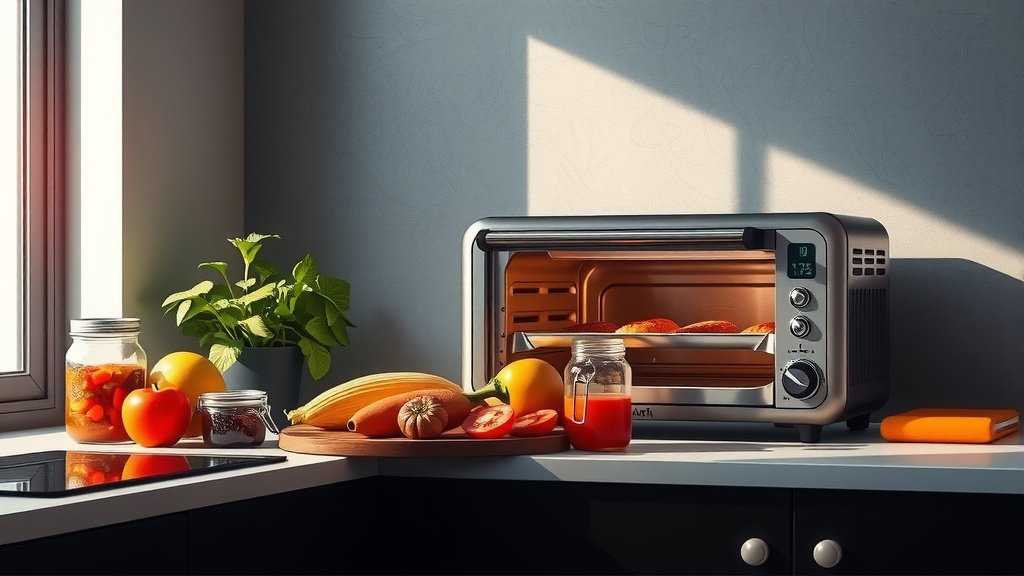
No, you generally cannot use a toaster oven to safely can food, as it lacks the necessary pressure and consistent heat required for proper food preservation.
Toaster ovens do not reach or maintain the specific temperatures and pressure levels needed to destroy harmful bacteria that cause spoilage and foodborne illness in canned goods.
Here’s the quick scoop on using a toaster oven for canning:
- Toaster ovens cannot reach the sustained high temperatures and pressure needed for safe canning.
- Water bath canning and pressure canning are the only safe methods recognized by experts.
- Improper canning methods risk botulism, a serious and potentially fatal foodborne illness.
- Always follow USDA guidelines for safe home canning practices.
Can You Use A Toaster Oven To Can Food?
No, using a toaster oven for canning food is not recommended or safe. These appliances are simply not designed for the specific processes required for proper food preservation.
The Big No-No: Why Toaster Ovens Fail at Canning
You might be thinking, “It gets hot, so why not?” That’s a fair question! But canning isn’t just about heat; it’s about very specific heat, pressure, and duration. Toaster ovens fall short on several critical fronts.
Temperature Control Issues
Toaster ovens are fantastic for reheating leftovers or making a quick toast. They heat up fast, but their temperature control isn’t precise or consistent enough for canning. Canning requires maintaining a specific high temperature for an extended period.
Many experts, including the USDA, stress that accurate temperature is vital. A toaster oven’s fluctuating heat can leave harmful bacteria alive. This means your food might look okay, but it could be very dangerous.
Lack of Pressure Capability
For low-acid foods like meats, vegetables, and soups, canning absolutely requires a pressure canner. This is because these foods need temperatures above boiling point (212°F or 100°C) to destroy Clostridium botulinum spores.
A toaster oven, by its very design, cannot create the necessary pressure. It’s essentially a small oven, not a pressure vessel. Without that pressure, those dangerous spores can survive and multiply.
Inadequate Sealing Conditions
Proper canning creates a vacuum seal on your jars. This seal keeps outside air, and thus bacteria, from getting in. The heating process in a water bath or pressure canner achieves this seal reliably.
A toaster oven simply heats the jar. It does not provide the submersion in boiling water or the pressure environment needed for a safe, consistent seal. You might get a “pop,” but it could be a false seal.
Understanding Safe Canning Methods
So, if toaster ovens are out, what are your safe options for home canning? There are two main, approved methods:
- Water Bath Canning: Best for high-acid foods like fruits, jams, jellies, pickles, and tomatoes (sometimes with added acid).
- Pressure Canning: Essential for low-acid foods such as vegetables, meats, poultry, seafood, and mixed recipes.
The Science Behind Safe Canning
Why do these methods work? It all boils down to destroying microorganisms. Bacteria, yeasts, and molds are everywhere. They cause food to spoil and can make you sick.
With high-acid foods, the acidity helps inhibit bacterial growth. Boiling water for a specific time is enough to kill the remaining spoilage organisms (USDA). For low-acid foods, only the higher temperatures achieved under pressure can kill the deadly botulism spores (CDC).
The Very Real Risk: Botulism
This is not a scare tactic; it’s a serious health warning. Improperly canned low-acid foods carry a significant risk of botulism.
Botulism is a rare but extremely dangerous foodborne illness caused by the toxin produced by Clostridium botulinum bacteria. Symptoms can include muscle weakness, double vision, drooping eyelids, difficulty speaking, and even paralysis.
Many health organizations, including the National Institutes of Health (NIH), emphasize that botulism can be fatal if not treated quickly. It’s simply not worth the risk to cut corners with canning methods.
What About Oven Canning? Is That Safe?
You might have heard of “oven canning” or seen old recipes suggesting it. Let’s be very clear: oven canning, whether in a large oven or a toaster oven, is not considered safe by modern food safety standards.
The dry heat of an oven heats the food and jar unevenly. It doesn’t create the necessary internal jar temperature or pressure to kill harmful bacteria effectively. The jars can also explode, creating a hazard (National Center for Home Food Preservation).
Comparing Canning Methods: A Quick Look
Let’s put it side-by-side to make things super clear:
| Feature | Toaster Oven Canning | Water Bath Canning | Pressure Canning |
|---|---|---|---|
| Heat Source | Dry heat, inconsistent | Submerged in boiling water | Steam under pressure |
| Temperature Reached | Varies, often below ideal | 212°F (100°C) | 240°F (116°C) or higher |
| Pressure | None | None (at sea level) | Required for safety |
| Foods Recommended | None (unsafe) | High-acid foods (fruits, pickles) | Low-acid foods (vegetables, meats) |
| Safety Rating | UNSAFE | SAFE (for proper foods) | SAFE (for proper foods) |
A Safer Path: Getting Started with Proper Canning
If you’re excited about home canning, that’s wonderful! It’s a rewarding hobby. Just make sure you start with the right equipment and knowledge.
Here’s a small checklist to get you started safely:
- Get a reputable water bath canner for high-acid foods.
- Invest in a quality pressure canner for low-acid foods.
- Obtain current canning guides (USDA, Cooperative Extension).
- Use proper canning jars and new lids every time.
- Follow recipes precisely, especially processing times.
Where to Find Reliable Information
Don’t rely on old family recipes that haven’t been updated for modern safety standards. Food science has advanced significantly!
Look to resources like the National Center for Home Food Preservation, your local Cooperative Extension office, or publications from university food science departments. These groups base their advice on rigorous scientific research.
So, What Can Your Toaster Oven Do Safely?
Let’s not dismiss your trusty toaster oven! It’s still incredibly useful for many kitchen tasks. Think about it for:
- Toasting bread or bagels
- Heating up frozen foods like pizzas or taquitos
- Baking small batches of cookies or brownies
- Roasting small vegetables or chicken pieces
- Keeping food warm
It excels at these roles, providing convenience and efficiency for smaller meals. Just keep it out of the canning world.
Conclusion
In short, while your toaster oven is a versatile kitchen friend, it is absolutely not suitable for canning food. The specific and sustained high temperatures, combined with the pressure needed to destroy dangerous bacteria like Clostridium botulinum, are simply beyond its capabilities. To protect your health and the health of those you share food with, always stick to scientifically approved canning methods: water bath canning for high-acid foods and pressure canning for low-acid foods. Embrace the joy of home preservation, but always prioritize safety first. Your taste buds—and your tummy—will thank you for it!
FAQs About Toaster Ovens and Canning
Can I sterilize canning jars in a toaster oven?
While a toaster oven can get hot, it’s not the recommended or most effective way to sterilize canning jars. Jars used for foods processed in a boiling water bath for 10 minutes or more, or in a pressure canner, do not require separate sterilization because the canning process itself sterilizes them. For shorter processing times, boiling jars in water is preferred (National Center for Home Food Preservation).
What happens if you try to can food in a toaster oven?
If you attempt to can food in a toaster oven, the most likely outcome is that the food will not be safely preserved. The temperatures inside the jar will not reach high enough levels to kill dangerous bacteria or create a reliable vacuum seal. This significantly increases the risk of food spoilage and foodborne illnesses, including botulism.
Are there any small appliances that can safely can food?
Yes, some specialized small appliances are designed for safe canning. These include smaller electric pressure canners or all-in-one electric canners that are specifically designed and approved for pressure canning. However, always ensure any appliance you use is tested and approved for canning according to current food safety guidelines, like those from the USDA.
Why is temperature consistency so important for canning?
Temperature consistency is critical for canning because harmful microorganisms, including bacteria, yeasts, and molds, are destroyed at specific temperatures held for specific durations. If the temperature fluctuates or isn’t maintained, some of these organisms, especially heat-resistant bacterial spores, can survive, leading to spoilage or potentially dangerous toxin production.
Where can I find reliable, up-to-date home canning recipes and guidelines?
For reliable and up-to-date home canning recipes and guidelines, always consult reputable sources based on scientific research. Excellent resources include the National Center for Home Food Preservation (NCHFP), the USDA Complete Guide to Home Canning, and your local university extension offices. These sources provide tested recipes and instructions that ensure food safety.
