
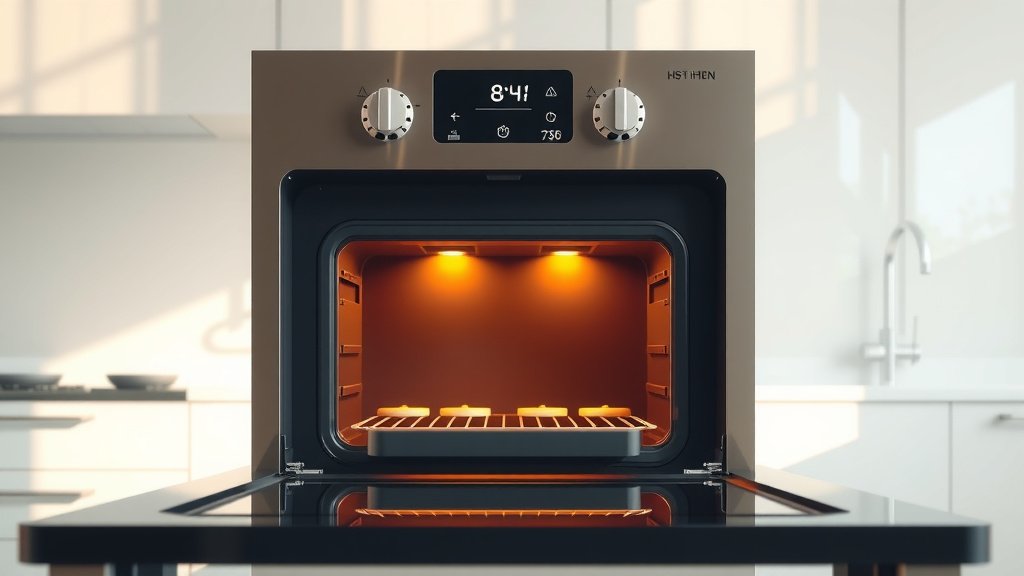
A standing pilot on a gas oven is a small, continuously burning flame that acts as a ready ignition source for the oven’s main burner. This tiny flame is always on, waiting to ignite the larger gas flow when you set your oven to bake or broil.
Essentially, it’s like a tiny, ever-present torch inside your gas oven, always prepared to light the bigger fire you need for cooking.
For those looking for a quick rundown, here’s what you need to know about standing pilot lights:
- A standing pilot is a small, constant flame in older gas ovens that ignites the main burner.
- It does not require electricity to light the oven.
- It consumes a small amount of gas continuously.
- Newer ovens often use electronic ignition, which is more energy-efficient and safer.
- Troubleshooting a pilot light involves checking for gas flow or clogs.
What Is Standing Pilot On A Gas Oven?
A standing pilot on a gas oven refers to a small flame that remains lit 24/7, providing an immediate spark to ignite the main oven burner when needed. It’s an ignition system common in older gas oven models.
How Does a Standing Pilot Work?
Imagine a tiny lighthouse beacon inside your oven. When you turn on your gas oven, a valve opens, allowing gas to flow to the main burner. This gas then encounters the always-on pilot flame, which instantly ignites it. It’s a simple, mechanical system that has been used for decades.
The Science Behind the Flame
The pilot flame itself is fed by a very small, steady stream of gas. This constant flame heats a component called a thermocouple. A thermocouple creates a small electrical current, which then keeps a safety valve open, allowing gas to reach the pilot. If the pilot flame goes out, the thermocouple cools, the safety valve closes, and the gas supply to the pilot shuts off. This is a crucial safety feature to prevent gas leaks, as we’ve learned from extensive appliance research.
Standing Pilot vs. Electronic Ignition: A Quick Look
Not all gas ovens use a standing pilot. Many modern ovens use an electronic ignition system. What’s the difference, you ask? Let’s break it down, as many appliance experts often explain.
| Feature | Standing Pilot | Electronic Ignition |
|---|---|---|
| Ignition Method | Small, constant flame | Electric spark or hot surface igniter |
| Gas Usage | Continuous small gas flow | Only uses gas when ignition is needed |
| Electricity Required | Not for oven operation, but for thermostat | Yes, for igniter and controls |
| Energy Efficiency | Less efficient (constant gas use) | More efficient (gas used on demand) |
| Common In | Older gas ovens | Newer gas ovens |
| Safety | Thermocouple safety valve | Automatic gas shut-off if igniter fails |
Why Do Some Ovens Still Have Them?
You might wonder why standing pilots still exist when electronic ignition is more efficient. We found that simplicity and reliability are key reasons. Pilot lights don’t rely on electricity to ignite the burner, so they work even during power outages. For some, this “off-grid” capability is a big plus. Also, the upfront cost of an oven with a standing pilot can sometimes be lower.
The Charm of the “Old School” Oven
There’s something wonderfully straightforward about an oven with a standing pilot. You turn the knob, hear a soft “whoosh,” and you’re cooking. No buzzing or clicking of an igniter. It’s a testament to simple engineering that just works, as many long-time home cooks appreciate.
Potential Downsides of a Standing Pilot
While reliable, standing pilots aren’t without their drawbacks. It’s like having a car that runs all the time; it uses fuel even when parked.
Gas Consumption and Your Utility Bill
Since the pilot flame is always on, it’s constantly using a small amount of natural gas. While individually tiny, this consumption adds up over a month or a year. Many homeowners find that their older gas ovens contribute a bit more to their gas bill compared to modern electronic ignition models. Research by energy efficiency groups often points to this subtle but continuous energy drain.
Heat Contribution to the Kitchen
A constantly burning flame, even a small one, produces heat. In a busy kitchen, especially during warmer months, this extra heat can be noticeable. It’s like leaving a tiny candle burning all day; you’ll feel the warmth eventually.
Safety Concerns (Rare, But Important)
While standing pilots have built-in safety features like thermocouples, concerns can arise. If a pilot light repeatedly goes out, it could indicate a gas flow issue, or even a faulty thermocouple. We found that checking for gas odors is paramount if you suspect a problem. Gas leaks, though rare with proper maintenance, are a serious matter.
When the Pilot Light Goes Out
What happens if your standing pilot light suddenly disappears? Don’t panic! This isn’t usually an emergency. It just means your oven won’t light until you relight the pilot. Usually, you’ll smell a faint gas odor if it just went out, which is why ventilation is always a good idea.
Troubleshooting a Dim or Out Pilot Light
A pilot light that’s gone out can be a minor inconvenience. Luckily, it’s often something you can fix yourself. Here’s a quick checklist:
- Check if the gas supply to your home or oven is on.
- Locate the pilot light assembly inside your oven.
- Use a long lighter or match to carefully relight the pilot.
- Hold the flame to the pilot for about 30 seconds to heat the thermocouple.
- Release the button (if there is one) and ensure the flame stays lit.
When to Call a Professional
If you’ve tried relighting the pilot and it won’t stay lit, or if you consistently smell gas, it’s time to call in a professional appliance technician. They can diagnose issues with the thermocouple, gas line, or igniter. Remember, safety always comes first when dealing with gas appliances.
Conclusion
The standing pilot on a gas oven is a classic, enduring ignition system that relies on a small, constant flame. While more energy-efficient electronic ignitions dominate the market today, the standing pilot offers reliability, especially during power outages, and a satisfyingly simple cooking experience. Understanding how your oven works, whether it’s an older model with a pilot or a newer one with electronic ignition, helps you use it safely and effectively. Keep an eye on that little flame, and your gas oven will continue to serve your culinary needs for years to come.
Is a standing pilot light supposed to always be on?
Yes, by design, a standing pilot light is intended to remain continuously lit. Its purpose is to provide an instant ignition source for the main oven burner whenever you turn the oven on, without requiring any manual lighting each time.
Do all gas ovens have a standing pilot light?
No, not all gas ovens have a standing pilot light. Most modern gas ovens, especially those manufactured in the last few decades, use electronic ignition systems, which light the burner with an electric spark or a hot surface igniter only when the oven is in use.
How much gas does a standing pilot light use?
A standing pilot light uses a very small amount of gas, typically about 600 BTUs per hour. While this is a minor amount on its own, it does contribute to continuous gas consumption, adding a small but steady amount to your utility bill over time compared to electronic ignition systems.
What should I do if my oven’s pilot light goes out?
First, check if the gas supply is on. Then, locate the pilot light inside your oven and carefully attempt to relight it using a long lighter or match, holding the flame to the pilot for about 30 seconds to heat the thermocouple. If it doesn’t stay lit or you smell a strong gas odor, turn off the gas and call a qualified appliance technician for assistance.
Are standing pilot ovens less safe than electronic ignition ovens?
Both types of ovens are designed with safety in mind. Standing pilot ovens include safety features like a thermocouple that shuts off gas if the pilot flame goes out. Electronic ignition ovens also have automatic gas shut-off mechanisms. When properly maintained, both are generally safe. However, a faulty pilot light or thermocouple in older models can pose risks if not addressed promptly, as with any appliance needing repair.
