
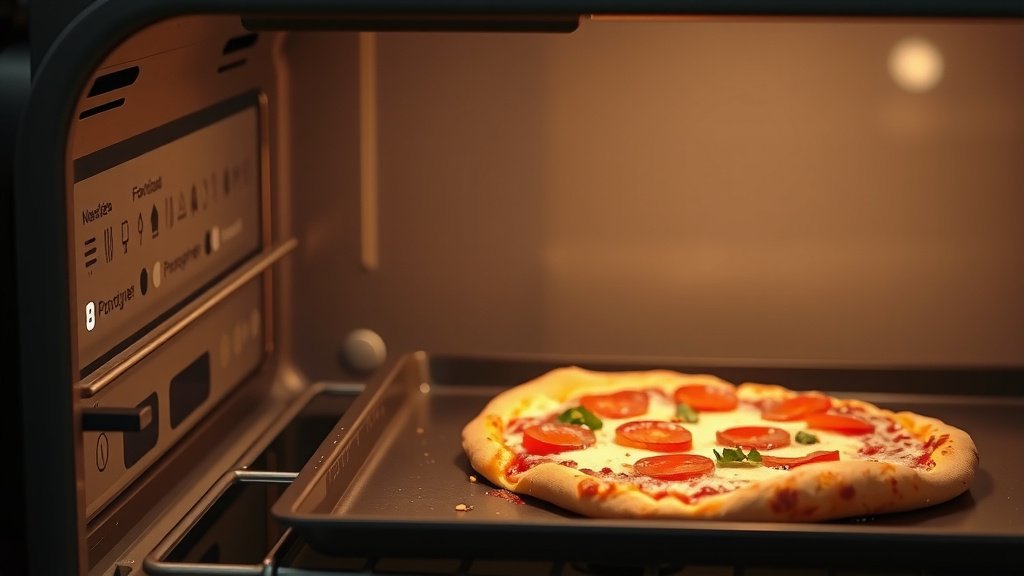
To avoid burnt bottoms in an electric oven, place your baking dish on a higher rack, away from the direct heat of the bottom element.
You can also use a light-colored, reflective pan or double-pan your items to create a buffer against excessive heat.
Here’s a quick rundown of how to beat those burnt bottoms:
- Move your baking to a higher oven rack.
- Choose light-colored, shiny baking pans.
- Try double-panning or using a baking stone.
- Lower your oven temperature and extend the cooking time.
- Always use an oven thermometer to verify accuracy.
How To Avoid Burnt Bottoms In Electric Oven?
To avoid burnt bottoms, reduce direct heat exposure by adjusting rack height and using appropriate bakeware.
Monitoring your oven’s true temperature is also a critical step.
Understanding Your Electric Oven’s Hot Spots
Electric ovens often have a heating element at the bottom. This element generates most of the heat.
This direct heat can be very intense, especially for items placed on the lowest rack. It’s like standing too close to a campfire.
The Bottom Element’s Impact
That glowing coil at the bottom of your oven works hard. It cycles on and off to maintain your set temperature.
When it’s on, it radiates a lot of heat upwards, which can cause the bottoms of your food to cook much faster than the tops.
Rack Placement Is Your First Defense
Where you place your baking sheet or dish truly makes a big difference. Think of it as controlling your exposure to the heat source.
Many recipes assume a middle rack, but sometimes you need to adjust.
Moving Up Saves The Day
Placing your food on the middle or even upper-middle rack can distance it from the intense bottom heat.
This simple change allows for a more even distribution of heat around your dish, preventing the bottom from charring.
Middle Ground for Evenness
For most baking, the middle rack is your sweet spot. It usually provides the best balance of heat from both top and bottom elements.
If you’re still seeing burnt bottoms here, then other factors might be at play.
Choosing the Right Bakeware Matters
The type of pan you use plays a significant role in heat absorption and reflection. Not all pans are created equal, especially for electric ovens.
Your pan choice can be the difference between perfectly golden and overly dark.
Light vs. Dark Pans
Dark-colored pans absorb more heat, leading to faster browning and a higher risk of burning on the bottom.
Conversely, light-colored or shiny pans reflect heat, which slows down the browning process. This gives your food more time to cook evenly.
Shiny Pans Reflect Heat
We found that shiny, aluminum pans are often recommended for delicate baked goods like cookies or cakes.
They act as a shield, deflecting some of that direct bottom heat away from your food (research and found).
Double Panning for Protection
This technique is exactly what it sounds like. Place your baking pan inside another, slightly larger pan.
This creates an insulating air layer that acts as a buffer against the intense heat coming from the bottom element.
Using a Baking Stone or Steel
A baking stone or steel placed on the lowest rack can absorb and radiate heat more evenly.
It can stabilize the oven temperature and prevent direct blasts of heat from hitting your pan. Many experts say this is a great solution.
Lowering the Temperature, Extending Time
If burnt bottoms are a constant struggle, try reducing the oven temperature by about 25°F (15°C) from what the recipe suggests.
Then, simply increase the baking time slightly until your food is fully cooked. This gentler approach helps. (Cleveland Clinic).
Oven Thermometers: Your Best Friend
Many home ovens are not calibrated perfectly, meaning the temperature displayed might not be accurate. It’s a common issue.
An inexpensive oven thermometer gives you the true internal temperature, helping you adjust your settings for real accuracy.
Parchment Paper or Silicone Mats
Lining your baking sheets with parchment paper or a silicone baking mat can also provide a small layer of insulation.
They prevent direct contact between your food and the hot pan, which helps avoid sticking and burning.
Shielding with Aluminum Foil
If you notice the bottom browning too quickly during baking, you can gently slide a sheet of aluminum foil underneath your pan for the last portion of cooking time.
This works as a temporary heat deflector, giving the top of your food more time to catch up.
Calibrating Your Oven
If your oven is consistently running hot, it might need calibration. Many modern ovens have a simple setting for this in the menu.
Check your oven’s manual or look up the model number online for instructions on how to adjust its temperature (Consumer Reports).
A Quick Checklist for Perfect Baking
Before you even open that oven door, run through these simple steps to help avoid those frustrating burnt bottoms:
- Confirm your oven temperature with a thermometer.
- Choose a light-colored, reflective baking pan.
- Place food on the middle or upper-middle oven rack.
- Consider double-panning for sensitive items.
- Don’t be afraid to lower the temperature slightly.
Comparing Bakeware Materials
Choosing the right material for your bakeware is important. Here’s a quick comparison:
| Material | Heat Absorption | Best For | Bottom Burning Risk |
|---|---|---|---|
| Aluminum (Light/Shiny) | Reflects heat | Cookies, cakes, delicate items | Low |
| Steel (Dark/Non-stick) | Absorbs heat | Roasting, crisp crusts | High |
| Glass | Retains heat well | Casseroles, slow cooking | Medium |
| Ceramic | Even, gentle heat | Breads, casseroles | Medium |
Conclusion
Dealing with burnt bottoms in your electric oven doesn’t have to be a recurring nightmare. By making a few mindful adjustments, you can bake with confidence.
Remember, it’s all about managing that bottom heat. Adjusting your rack, choosing the right pan, and verifying your oven’s temperature are all powerful tools in your baking arsenal.
Experiment with these tips, and you’ll soon be enjoying perfectly cooked, evenly browned creations every time. Happy baking!
What is the best oven rack position to prevent burnt bottoms?
The best oven rack position is typically the middle rack. This provides the most balanced heat distribution. If bottoms are still burning, move your dish to the upper-middle rack to distance it further from the bottom heating element.
Should I use light or dark baking pans to avoid burnt bottoms?
You should use light-colored, shiny baking pans. These pans reflect heat away from the food, preventing the bottom from browning too quickly and reducing the risk of burning, especially in electric ovens.
Can an inaccurate oven temperature cause burnt bottoms?
Yes, an inaccurate oven temperature is a common culprit. If your oven runs hotter than what it indicates, the bottom element could be over-firing. Using an oven thermometer to verify the actual temperature is highly recommended.
Does putting foil on the bottom of an electric oven help prevent burning?
Placing foil on the very bottom of the oven can actually interfere with heat circulation and may even damage the oven’s heating element or interior finish. Instead, place foil *under* your baking pan if you need a temporary shield.
When should I consider using a baking stone or double-panning?
Consider using a baking stone or double-panning when you’re baking delicate items like cakes, cookies, or pies that are prone to burnt bottoms. These methods create an insulating layer that buffers against intense direct heat from below.
