
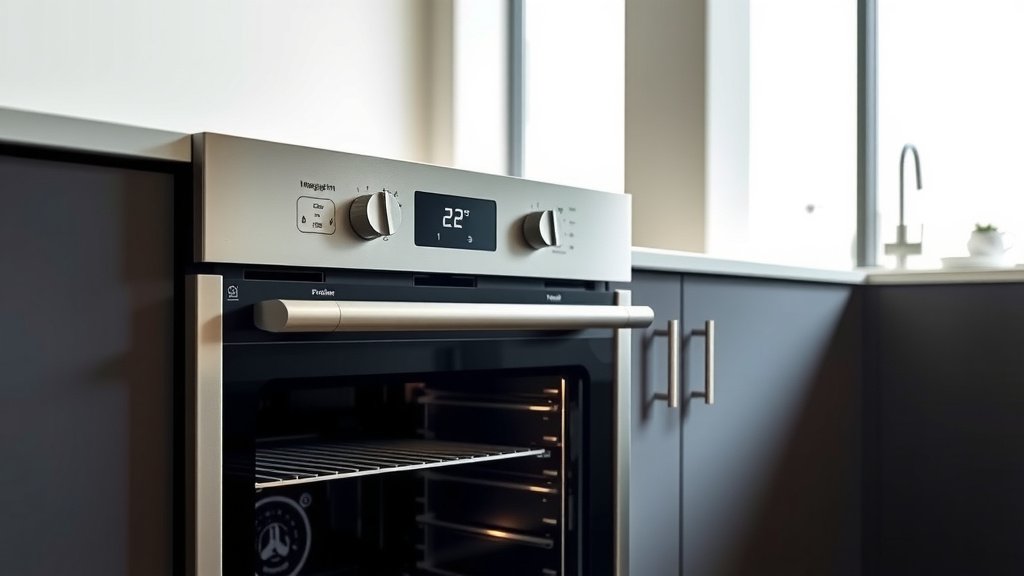
To set the temperature on an electric oven, you typically turn a dial or use a digital control panel to select your desired heat level. After choosing the temperature, you often press a ‘Start’ or ‘Bake’ button to initiate the preheating process.
Understanding how your specific oven model works is key to successful baking and roasting, ensuring your food cooks evenly and safely every time.
- Understanding your oven’s controls, whether a dial or digital, is your first step.
- Always preheat your electric oven fully for consistent cooking results.
- Learn to calibrate your oven if you suspect it runs hotter or colder.
- Avoid common mistakes like opening the oven door too often during baking.
- Prioritize safety by checking for proper ventilation and clear surroundings.
How To Set Temperature On Electric Oven?
Setting the temperature on your electric oven is simpler than you might think, whether you have a classic dial or a sleek digital display. It all comes down to knowing your appliance.
Understanding Your Oven’s Controls
Electric ovens come in various designs, but their core function remains the same: heating food. Your oven’s controls are your direct line to perfect cooking. Let’s look at the main types.
The Classic Dial Control
Many electric ovens still feature a traditional temperature dial. You simply twist this knob to your desired temperature, like 350°F for cookies or 400°F for roasting veggies. Once set, the oven typically begins preheating automatically.
It’s like tuning an old radio; you find the right spot and let it do its work. We find these dials are often very intuitive and straightforward to use.
Navigating Digital Displays
Modern electric ovens often use digital touchpads or buttons. You usually press a ‘Bake’ or ‘Roast’ button first, then use ‘Up’ and ‘Down’ arrows or a number pad to input your desired temperature. After selecting, you hit ‘Start’.
These displays often show the current temperature as the oven preheats. This can be very helpful for tracking progress. Many experts say digital controls offer more precise temperature adjustments.
Why Preheating Matters So Much
Have you ever put food into a cold oven, only to find it didn’t cook right? Preheating is not just a suggestion; it’s a vital step for most recipes. It ensures the oven reaches and maintains the correct temperature from the start.
This initial blast of even heat helps food cook properly, browning surfaces, and allowing leavening agents in baked goods to activate correctly. We often say it’s like warming up your car before a long drive.
The Science of Even Baking
When your oven is fully preheated, its internal temperature is consistent throughout. This means your food bakes or roasts evenly from all sides. Without preheating, the food starts cooking slowly, often drying out or developing an uneven texture.
Research suggests that putting food into a preheated oven significantly impacts the final texture and flavor, especially for delicate items like cakes and soufflés.
Calibrating Your Oven Temperature
Sometimes, your oven might not be telling you the truth. It could be running hotter or colder than the temperature you set. This is where oven calibration comes into play.
Many experts suggest using an inexpensive oven thermometer placed inside your oven. Compare its reading to your oven’s display. If there’s a consistent difference, you might need to adjust your oven’s calibration settings.
When Things Feel Off
Is your lasagna always burnt on top, even when following the recipe? Or are your cookies consistently underbaked? These are signs your oven might need calibration. Check your oven’s manual for specific instructions on how to adjust its internal thermostat.
Many newer models allow for a small digital adjustment, making it easier to fine-tune your cooking environment. This small step can make a big difference.
Common Temperature Setting Mistakes
Even seasoned cooks can make simple errors when setting their oven. Let’s look at a few easy-to-avoid pitfalls.
- Not Preheating Fully: As we discussed, rushing this step can ruin dishes. Always wait for the oven’s indicator light or sound.
- Ignoring the Manual: Your oven’s manual is a treasure map for its unique features and quirks.
- Frequent Door Opening: Every time you open the door, significant heat escapes, dropping the internal temperature by 25-50°F.
- Using Wrong Cookware: Dark pans absorb more heat, while light pans reflect it. This affects cooking times and temperatures.
Safety Tips for Oven Use
Safety should always be your top priority when using any kitchen appliance. Ovens get incredibly hot, so a little caution goes a long way.
Always keep a clear space around your oven. Ensure no flammable materials, like dish towels or curtains, are too close. If you have children or pets, teach them to keep a safe distance when the oven is in use.
Getting to Know Your Oven: A Quick Guide
Think of your oven as a partner in the kitchen. The more you understand it, the better your results will be. Here’s a quick checklist to make sure you’re ready to bake.
- Did you consult your oven’s user manual for specific instructions?
- Have you confirmed your desired temperature on the dial or digital display?
- Are you waiting for the oven to fully preheat before placing food inside?
- Do you have an oven thermometer to verify accuracy if needed?
- Are there any flammable items near the oven or stovetop area?
Troubleshooting Temperature Issues
Sometimes, even with the right settings, things can go wrong. Don’t worry, many temperature issues have straightforward solutions. We’ve gathered some common problems and what to check.
If Your Food Isn’t Cooking Right
If your food is consistently undercooked or overcooked, beyond just a need for calibration, check the oven’s heating elements. Are they glowing properly? For electric ovens, both the top (broil) and bottom (bake) elements should heat up.
Also, ensure your oven racks are positioned correctly for your recipe. Placing food too close to a heating element can lead to burning, while too far away might cause uneven cooking.
Here’s a quick overview of common oven settings and their typical uses:
| Setting | Typical Temperature Range | Common Uses |
|---|---|---|
| Bake | 300°F – 450°F | Cakes, cookies, casseroles, general roasting |
| Roast | 350°F – 450°F | Meats, vegetables, poultry (often with convection) |
| Broil | High (500°F+) / Low (400°F+) | Quick browning, toasting, melting cheese |
| Convection Bake | 300°F – 425°F (often 25°F lower than standard bake) | Even baking for multiple racks, crisping |
| Warm | 170°F – 200°F | Keeping cooked food warm |
Conclusion
Setting the temperature on your electric oven is a fundamental skill for any home cook. Whether you’re turning a simple dial or navigating a digital display, the goal is always consistent, accurate heat for delicious results. Remember to always preheat, consider calibrating if needed, and keep safety in mind. With a little attention to detail, you’ll be baking and roasting like a pro in no time, turning everyday ingredients into culinary masterpieces.
What is the difference between bake and roast settings?
The ‘Bake’ setting typically uses heat primarily from the bottom element, often with gentler, radiant heat for items like cakes and cookies. The ‘Roast’ setting often engages both the top and bottom elements, or uses a higher, more intense heat, ideal for browning and cooking meats and vegetables thoroughly.
How do I know when my electric oven is fully preheated?
Most electric ovens have an indicator light or an audible signal that tells you when the set temperature has been reached. Digital models often display the temperature climbing until it stabilizes. Always wait for this notification to ensure even cooking.
Can I open the oven door during baking to check on food?
While tempting, frequently opening the oven door can cause significant temperature fluctuations, especially for delicate baked goods like soufflés or cakes. Try to use the oven light and window to check progress. If you must open it, do so quickly and efficiently.
My oven seems to cook food unevenly. What should I do?
Uneven cooking can be due to a few factors. First, try rotating your food halfway through the cooking process. Second, ensure your oven racks are positioned correctly. If the problem persists, consider checking your oven’s calibration with an external oven thermometer, as the internal thermostat might be off.
Is it safe to use aluminum foil on the bottom of my electric oven?
Many oven manufacturers advise against lining the bottom of an electric oven with aluminum foil. It can trap heat, interfering with the heating elements and potentially damaging the oven’s finish or even creating a fire hazard. Instead, use a baking sheet on a lower rack to catch drips.
