
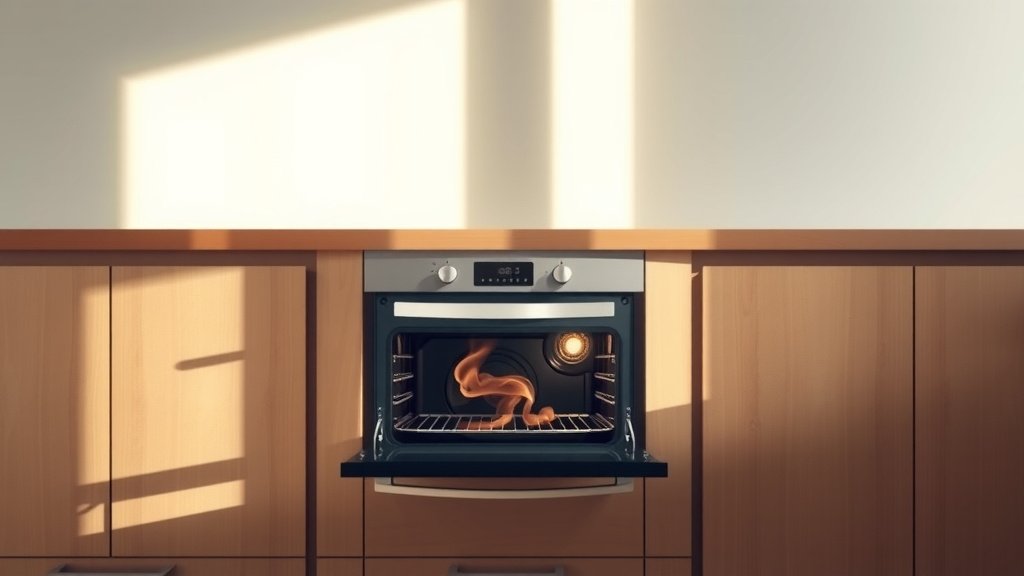
Yes, an electric oven can cause a fire, though these incidents are often preventable with proper care. Most fires involving electric ovens stem from grease accumulation, electrical malfunctions, or unattended cooking.
Understanding the risks and taking proactive steps can significantly reduce the chance of your electric oven becoming a fire hazard in your kitchen.
- Electric ovens can catch fire, primarily due to grease, electrical faults, or forgotten items.
- Regular cleaning of your oven is the single most effective fire prevention method.
- Always inspect for damaged wiring or heating elements and address them promptly.
- Never store flammable materials or food packaging inside a hot oven.
- If a small oven fire starts, keep the oven door closed and turn off the power.
Can Electric Oven Cause A Fire?
Indeed, your electric oven can cause a fire, but it’s not usually an inherent design flaw. The good news is that most oven fires are linked to misuse or lack of maintenance, which you can control.
It’s natural to feel a little worried about appliances that generate heat. Think of it like driving a car; it’s safe most of the time, but you still need to follow rules and perform maintenance.
Common Reasons Your Electric Oven Might Catch Fire
Have you ever wondered what exactly could spark a fire inside your trusty oven? It’s rarely spontaneous combustion. Instead, we found that certain conditions and habits create a perfect storm for a fire to start.
Let’s unpack the usual suspects so you know what to watch out for in your own kitchen.
Grease Buildup: A Sneaky Culprit
One of the most frequent causes we found is simple: grease. When you cook fatty foods, tiny splatters can accumulate on the oven walls, racks, and heating elements. This oily residue bakes on over time.
If left uncleaned, these layers of grease can ignite at high temperatures, especially when you’re roasting or baking something at a high setting. It’s like leaving a pile of dry leaves too close to a campfire.
Electrical Malfunctions and Wiring Issues
Your electric oven relies on a complex network of wires and heating elements. Over time, these components can wear out or become faulty. Loose connections, frayed wires, or a short circuit can generate intense heat and sparks.
Many experts say that electrical issues are a significant concern for any appliance fire (Consumer Product Safety Commission). This is a less visible problem, making regular checks important.
Leftover Food and Packaging
How many times have you tossed a pizza box on top of the oven or forgotten a piece of aluminum foil inside? These seemingly harmless items can become serious fire hazards. Paper, plastic, or even crumbs can quickly catch fire when exposed to oven heat.
Even a small amount of leftover food, like a crumbly pie crust or spilled cheese, can smoke and ignite at high temperatures. It’s always wise to check your oven before preheating.
Overheated Coils or Elements
The heating elements in your oven are designed to get hot, of course. But sometimes, due to a malfunction, they can overheat excessively. If an element burns out or cycles incorrectly, it can become dangerously hot.
This extreme heat can ignite nearby debris or even stress the oven’s internal insulation, leading to a fire. If you notice an element glowing unusually bright or hear strange noises, pay attention.
How to Prevent Electric Oven Fires: Your Safety Checklist
Prevention is truly your best defense against an oven fire. Most prevention strategies are surprisingly simple and require just a little routine attention. Protecting your home and family is worth the effort, wouldn’t you agree?
Think of it as routine maintenance for one of your most used kitchen appliances. Here are some practical steps you can take.
Regular Cleaning Is Key
This is probably the most straightforward and effective step. Aim to clean your oven regularly, especially after cooking greasy foods. Use oven cleaner or a natural solution like baking soda and vinegar to remove accumulated grease and food debris.
Many fire departments stress the importance of regular oven cleaning (NFPA). A clean oven means less fuel for a potential fire.
Inspect Electrical Components
Periodically check your oven’s power cord for any signs of fraying or damage. If you can safely access the heating elements, look for cracks or discoloration that might indicate a problem. Never try to fix electrical issues yourself unless you have the proper expertise.
If you suspect an electrical fault, it’s always best to call a qualified appliance technician. A little caution goes a long way here.
Don’t Store Items Inside Your Oven
It’s tempting to use the oven as extra storage for baking sheets or pans. However, this is a dangerous habit. Always remove anything from the oven before you turn it on. Even non-flammable items can become incredibly hot and cause burns upon removal.
More importantly, flammable items like paper towels or plastic containers are a definite no-go. Clear out your oven completely every time.
Proper Ventilation Matters
Ensure your kitchen range hood is working correctly and use it when cooking, especially when baking at high temperatures or cooking greasy foods. Good ventilation helps to remove smoke and heat, preventing buildup.
Sometimes, simply opening a window can also help dissipate smoke and fumes if your range hood isn’t powerful enough. Fresh air is your friend.
Oven Fire Prevention Checklist
- Clean your oven often to prevent grease buildup.
- Never leave food unattended while cooking or baking.
- Check electrical cords for damage before use.
- Remove all items from the oven before preheating.
- Keep flammable materials away from the oven.
- Use the correct oven temperature for recipes.
What to Do if Your Electric Oven Catches Fire
Despite your best efforts, sometimes accidents happen. Knowing how to react quickly and safely is paramount if your electric oven does catch fire. Panicking won’t help; a calm, informed response will.
Always remember that your safety and the safety of your family are the absolute top priority.
Stay Calm and Act Quickly
The first and most important rule is to remain calm. Do not open the oven door. Opening the door feeds oxygen to the flames, making the fire much larger and more dangerous. Instead, turn off the oven power immediately. If it’s safe to do so, unplug the oven from the wall. You can also turn off the circuit breaker to the oven at your electrical panel.
Keep the oven door closed. Most small oven fires will suffocate themselves once the heat source is removed and oxygen is limited.
Know Your Fire Extinguisher Type
A kitchen fire extinguisher is a smart investment. Look for an ABC-rated extinguisher, which handles common kitchen fires. However, only use it if the fire is small and you feel confident. If the fire is growing, or you’re unsure, evacuate and call 911.
Here’s a quick guide to common kitchen fire types and what works:
| Fire Type | Source Example | Best Extinguisher |
|---|---|---|
| Class A | Wood, paper, cloth | Water, ABC Dry Chemical |
| Class B | Flammable liquids (grease, oil) | ABC Dry Chemical, Class K (Kitchen) |
| Class C | Electrical equipment | ABC Dry Chemical, CO2 |
When Should You Call For Professional Help?
Sometimes, a situation calls for expert intervention. If you’ve had an oven fire, even a small one, it’s often wise to have a professional check your appliance. There might be unseen damage to wiring or insulation that poses future risks.
If your oven repeatedly trips the breaker or you smell a persistent burning odor after use, those are clear signals to contact a qualified technician or electrician. Don’t take chances with electrical safety.
Conclusion
While an electric oven can cause a fire, it’s not an everyday occurrence, especially if you prioritize safety. The vast majority of incidents we found are preventable with simple habits: regular cleaning, cautious use, and basic electrical awareness.
By treating your oven with a little respect and a lot of common sense, you can keep your kitchen a safe and happy place for all your culinary adventures. Stay vigilant, stay clean, and enjoy your cooking!
Can I use my oven after a small grease fire?
After a small grease fire, it’s generally best to have your oven inspected by a professional before using it again. Even if the flames subsided quickly, there could be hidden damage to wiring or internal components that might not be visible to you.
How often should I clean my electric oven to prevent fires?
We recommend cleaning your electric oven every 1-3 months, depending on how frequently you cook and what types of food. If you often cook greasy meals, a more frequent cleaning schedule will reduce grease buildup effectively.
What kind of smoke detector is best for a kitchen?
For kitchens, it is often recommended to use a photoelectric smoke detector. These are generally better at detecting slow, smoldering fires, which are more common in cooking incidents, and are less prone to nuisance alarms from cooking fumes compared to ionization detectors.
Is it safe to use the self-cleaning function on my electric oven?
The self-cleaning function can be safe, but it’s important to follow the manufacturer’s instructions carefully. Ensure your oven is clean of large food particles before starting the cycle, and ventilate your kitchen well. The high heat of self-cleaning can sometimes cause a lot of smoke if there’s excessive grease.
How long does it take for an electric oven to cool down after a fire?
After an electric oven fire has been extinguished and the power turned off, it can take anywhere from 30 minutes to a few hours for the appliance to cool down completely. Do not attempt to open or touch the oven until you are certain it has returned to a safe temperature.
