
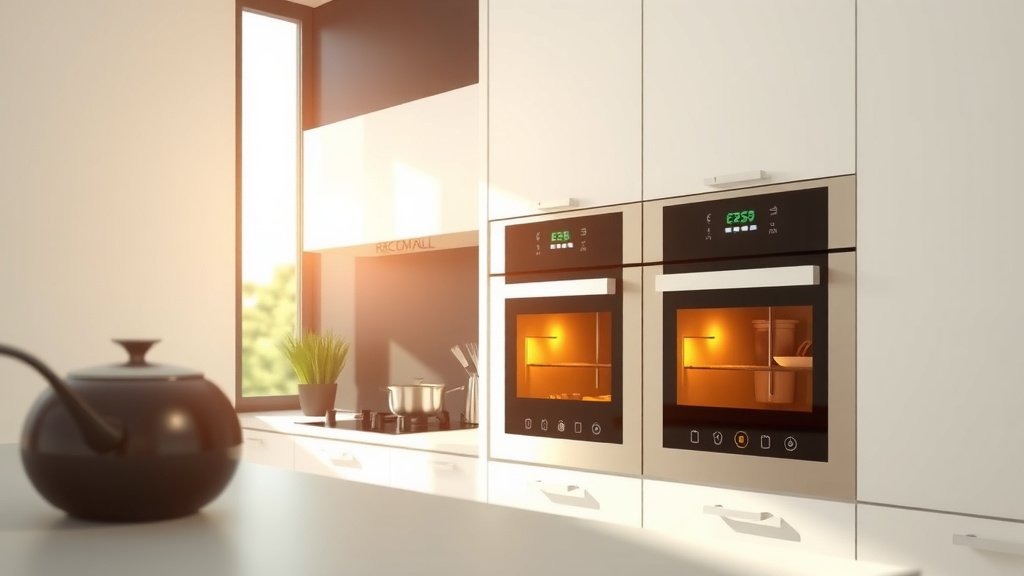
A gas cooktop with an electric oven typically means you have two separate power sources working together in one appliance unit. The cooktop uses natural gas or propane for its burners, while the oven relies on electricity for heating elements.
This common setup combines the precise flame control of a gas cooktop with the consistent, dry heat often preferred for baking from an electric oven.
- Gas cooktops offer instant, visual flame control for stovetop cooking.
- Electric ovens provide even, consistent heat for baking and roasting.
- Both components operate independently within a single appliance.
- You need both a gas line and an electrical outlet for installation.
- This hybrid setup gives you the best of both cooking worlds.
How Does Gas Cooktop Work With Electric Oven?
This popular appliance brings together two distinct energy sources into one sleek package for your kitchen. The gas cooktop handles your frying and boiling, while the electric oven takes care of your baking and roasting.
They truly work like a team, with each part optimized for specific cooking tasks, sharing the same space but not the same power source.
Understanding the Gas Cooktop
Imagine the swift control you get with a gas flame. When you turn a knob on your gas cooktop, you’re telling a valve to open. This releases natural gas or propane to the burner, where it mixes with air.
Many home chefs find this immediate feedback a real game-changer for dishes needing quick heat changes. We found that this responsiveness is a top reason for choosing gas (Good Housekeeping).
The Flame and Fuel
Your gas cooktop relies on a steady supply of fuel. This fuel, either natural gas from a utility line or propane from a tank, flows to each burner. The amount of fuel determines the size and heat of your flame.
You can see the flame adjust instantly, which is ideal for tasks like simmering a delicate sauce or bringing water to a rapid boil. This visible control is a key benefit of gas.
Ignition: Sparking Things Up
How does that flame appear? When you turn the burner knob, you also activate an igniter. This component creates a small, continuous spark near the gas port.
The spark ignites the gas, and you get your flame. It’s a simple yet effective system, designed for instant heat and reliable starts every time.
How the Electric Oven Heats Up
Now, let’s switch gears to the electric oven. Unlike the gas cooktop, this part of your range uses pure electricity. It’s perfect for baking, where consistent, dry heat is often preferred.
Many experts say that electric ovens tend to maintain a more stable internal temperature (Consumer Reports).
Electric Heating Elements
Inside your electric oven, you’ll find heating elements, usually visible as coils at the top and bottom. When you set a temperature, electricity flows through these elements, causing them to glow and generate heat.
A thermostat inside the oven monitors the temperature and cycles the elements on and off to maintain your desired setting. This process ensures a steady and even cooking environment.
Convection: A Little Help from a Fan
Many electric ovens also feature a convection setting. This means there’s a fan inside that circulates the hot air around the oven cavity. What’s the big deal?
Convection helps food cook more evenly and often faster, preventing hot spots. It’s especially great for roasting vegetables or baking multiple trays of cookies at once (USDA).
Why Combine Gas and Electric?
Why would you want a gas cooktop and an electric oven in the same unit? It’s all about getting the best of both worlds, really. Imagine having specific tools for specific jobs, all in one handy package.
This hybrid approach allows you to tailor your cooking method to the dish. It’s a very popular choice for many home kitchens, blending efficiency with versatility.
Gas for the Win on the Stovetop
For searing steaks, stir-frying veggies, or boiling water fast, gas is fantastic. You get that instant heat, instant cool-down, and immediate visual feedback of the flame.
It’s like driving a car with manual transmission – you feel more connected to the process. Many professional chefs also prefer gas for stovetop cooking (Culinary Institute of America).
Electric for Oven Baking
When it comes to baking cakes, roasting turkeys, or creating perfect casseroles, electric ovens often shine. They provide a drier, more consistent heat that many find ideal for even browning and rising.
The lack of moisture from gas combustion is a plus for baking, ensuring your delicate pastries turn out just right. We found that electric ovens are generally preferred for baking tasks.
Installation Essentials: What You Need
Thinking about bringing one of these hybrid ranges into your home? Great! But before you do, you need to make sure your kitchen is ready for both types of power. It’s like preparing for two guests, each with their own dietary needs.
Planning ahead for these connections can save you a lot of hassle and ensure a smooth setup.
Gas Line Requirements
For the gas cooktop, you’ll need a dedicated gas line with a shut-off valve near the appliance. This is either for natural gas from your utility provider or a connection for a propane tank if you’re in an area without natural gas.
Always ensure a qualified professional handles gas line installation or modifications. Safety is paramount when working with gas.
Electrical Outlet Demands
The electric oven, on the other hand, needs a specific type of electrical outlet. Most electric ranges require a 240-volt outlet, which looks different from your standard wall outlets.
You might need an electrician to install this specialized outlet if you don’t already have one. It’s a heavy-duty connection for a heavy-duty appliance.
Safety First: Tips for Your Hybrid Range
Operating any kitchen appliance safely is key, and your gas cooktop with an electric oven is no exception. Here are a few quick tips to keep everything running smoothly and safely for you and your family:
- Always ensure adequate ventilation when using the gas burners to prevent carbon monoxide buildup.
- Never leave cooking food unattended, especially when using high heat on the cooktop.
- Keep flammable materials, like dish towels or paper, away from active burners.
- Clean up spills promptly to prevent grease fires and maintain efficiency.
- Regularly check gas connections for leaks using a soapy water solution (no bubbles mean no leak).
Troubleshooting Common Issues
Even the best appliances can have a hiccup now and then. Don’t worry, many common issues have simple fixes. Knowing a few basic troubleshooting steps can often save you a service call.
Here’s a quick look at some things you might encounter and what to check first:
| Issue | Possible Cause (Cooktop) | Possible Cause (Oven) |
|---|---|---|
| Burner not lighting | No gas flow, igniter dirty/wet | N/A |
| Oven not heating | Power supply issue, faulty element | N/A |
| Weak gas flame | Low gas pressure, clogged burner port | N/A |
| Uneven oven baking | Heating element problem, fan issue (convection) | N/A |
| Gas smell | Gas leak, burner not fully ignited | N/A |
Always refer to your appliance manual for specific troubleshooting steps. If you suspect a gas leak, evacuate and contact your gas provider immediately.
Is a Gas Cooktop and Electric Oven Right for You?
Deciding on the right range for your kitchen is a personal choice, much like picking your favorite recipe. This hybrid model offers distinct advantages, combining the strengths of two different cooking technologies.
If you love the quick response of gas for your stovetop frying and the consistent, dry heat of electric for your baking, then this setup could be your perfect kitchen companion.
Conclusion
The combination of a gas cooktop with an electric oven provides a powerful, versatile cooking solution for your home. You gain the immediate control of gas flames for stovetop tasks and the consistent, even heat of electricity for baking and roasting.
Understanding how each part works, from the gas line connection to the electric elements, helps you appreciate its efficiency. This appliance truly offers a balanced approach, bringing the best qualities of both worlds right into your kitchen. It’s a smart choice for anyone seeking flexibility and performance in their cooking endeavors.
Is a gas cooktop with an electric oven safe?
Yes, when properly installed and maintained, a gas cooktop with an electric oven is very safe. Modern appliances are built with safety features, and following manufacturer guidelines for use and ventilation is key. Always ensure a certified professional handles gas line connections.
Can I convert my all-electric range to a gas cooktop with an electric oven?
Converting an existing all-electric range isn’t typically possible because it’s a single unit. However, you can replace an all-electric range with a new hybrid gas cooktop/electric oven if your kitchen has access to both a gas line and the correct electrical outlet. This often involves professional installation for gas and electrical connections.
Do I need a special electrical outlet for a hybrid range?
Yes, you will need a specific 240-volt electrical outlet for the electric oven portion of the range. This is different from the standard 120-volt outlets used for small appliances. If you don’t already have one, an electrician will need to install it.
Is it more expensive to run a gas cooktop and electric oven?
The cost to run a hybrid range depends on local utility prices for natural gas/propane and electricity. Generally, gas cooktops are often cheaper to operate than electric cooktops, while electric ovens can sometimes be more efficient than gas ovens for specific tasks. Your overall cost will be a blend of these factors.
What are the main advantages of having both gas and electric?
The primary advantage is getting the best cooking performance for different tasks: instant, precise heat control from gas for stovetop cooking (frying, sautéing) and consistent, dry, even heat from electric for oven baking and roasting. This versatility makes it a popular choice for home cooks who enjoy varied culinary techniques.
