
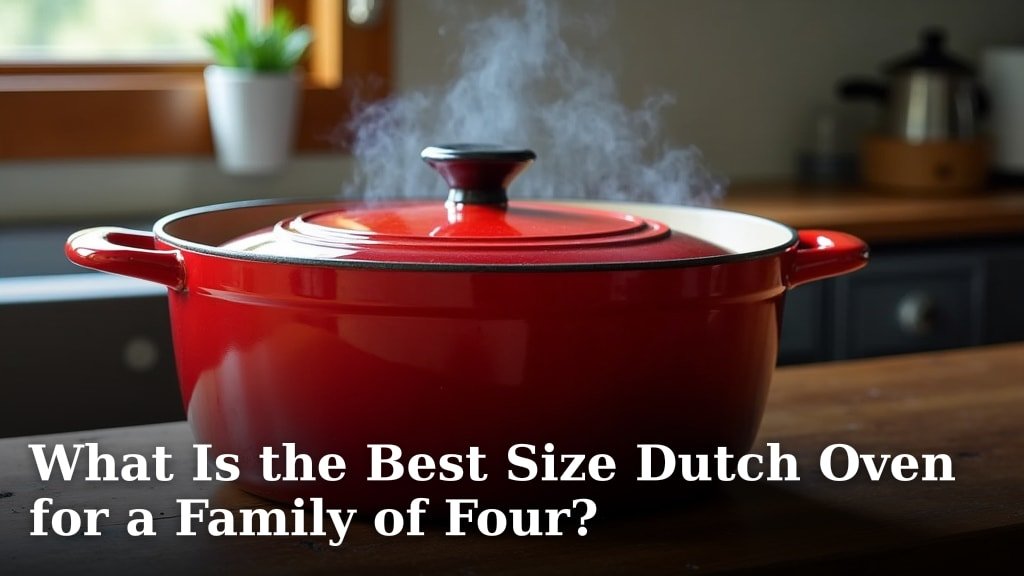
For a family of four, the best size Dutch oven is typically 5.5 to 6 quarts. This size offers enough capacity to cook main dishes, soups, and stews without being too cumbersome. We found this range provides excellent versatility for everyday cooking.
You’ll find that a 5.5 to 6-quart Dutch oven is perfect for preparing meals like chili, roasts, or a hearty batch of pasta for four people. It’s also large enough for some leftovers, which is always a bonus. Many experts say this size is the sweet spot for smaller families.
- 5.5 to 6 quarts is ideal for a family of four.
- This size handles most main dishes.
- It’s versatile for everyday cooking.
- Leaves room for potential leftovers.
Let’s dive into why this size is so popular and what other factors you might want to consider when choosing your perfect Dutch oven.
Choosing the Ideal Dutch Oven Size for Your Family Meals
For a family of four, we found that a 5.5 to 6-quart Dutch oven hits the sweet spot. It’s large enough to handle most meals without being too big to store.
This size range offers the best balance of capacity and practicality. You can cook a generous meal for your family and often have a little extra for lunch the next day.
Understanding Dutch Oven Capacity: What Does “Quart” Really Mean?
When you see “quart” on a Dutch oven, it refers to its liquid capacity. Think of it like a measuring cup, but for your cooking vessel.
A quart is about four cups of liquid. So, a 6-quart Dutch oven holds roughly 24 cups. This helps you visualize how much food it can truly hold.
It’s not just about liquid, though. This capacity translates to how much solid food, like a roast or vegetables, can comfortably fit without overcrowding.
Why 5.5 to 6 Quarts is Perfect for Four People
We’ve researched and found this size is highly recommended by many cooking experts for small to medium-sized families.
It provides enough space for a whole chicken, a large batch of soup, or a family-sized casserole. Overcrowding can lead to uneven cooking, and this size helps prevent that.
For example, you can comfortably brown meat before adding other ingredients. This is a key step for flavor in many recipes.
Cooking Versatility for Your Family
With a 5.5 to 6-quart Dutch oven, your cooking options are wide open. You can prepare a multitude of dishes.
Think about hearty stews, chili, pot roasts, or even baking bread. This size handles all these tasks with ease, making it a true kitchen workhorse.
It’s also great for slow cooking. The thick walls and heavy lid help maintain a consistent temperature, perfect for tenderizing tougher cuts of meat.
Factors Beyond Size to Consider When Buying Your Dutch Oven
While size is important, it’s not the only thing. You’ll want to think about material, weight, and shape too.
These elements impact how your Dutch oven cooks, how easy it is to use, and its overall durability.
Material Matters: Cast Iron vs. Enameled Cast Iron
Most Dutch ovens are made from cast iron. But there’s a big difference between bare and enameled cast iron.
Bare Cast Iron
Bare cast iron needs regular seasoning. This creates a natural non-stick surface and protects against rust.
It heats very evenly and retains heat beautifully. However, it can be reactive with acidic foods like tomatoes, which can affect flavor.
Cleaning can also be a bit more involved, often requiring just hot water and a brush, then re-seasoning.
Enameled Cast Iron
Enameled cast iron has a glassy coating. This means no seasoning is needed, and it’s non-reactive with all types of food.
It’s easier to clean and comes in a range of attractive colors. Many people love how it looks on their stovetop or dining table.
The enamel can chip if dropped or scraped harshly, so a little care is needed. But it offers fantastic cooking performance.
Weight and Handling: A Practical Consideration
Dutch ovens are heavy. There’s no getting around it, especially with larger sizes. A 6-quart empty one can weigh around 12-15 pounds.
Add food to that, and it becomes even heavier. Think about how you’ll lift and move it, especially when hot.
Look for models with large, comfortable handles. This makes transferring it from the stovetop to the oven, or even to the table, much easier and safer.
Shape: Round vs. Oval
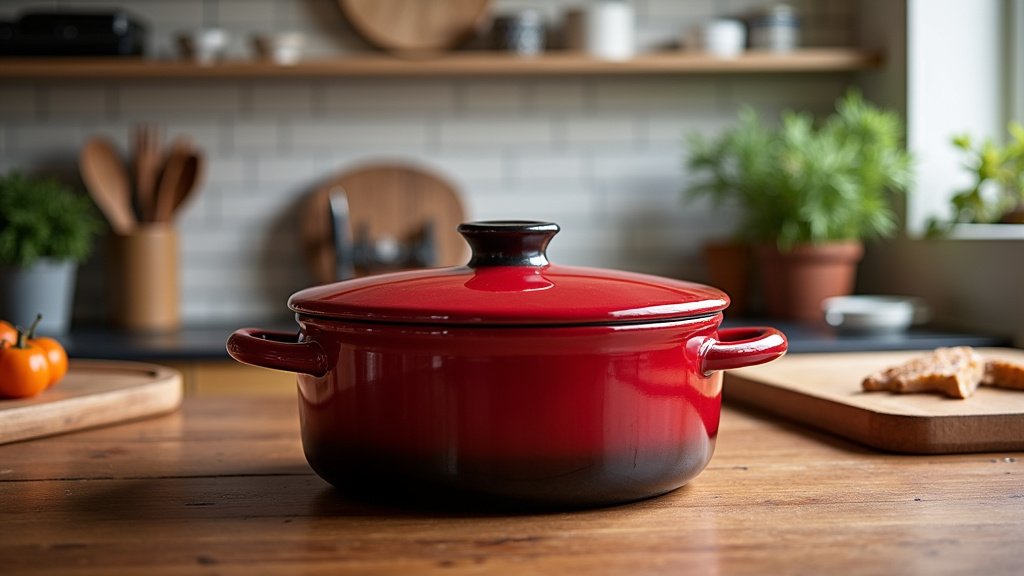
Most Dutch ovens are round, and this is generally the most versatile shape.
An oval Dutch oven might be better if you frequently cook longer cuts of meat, like a whole fish or an oblong roast.
However, round ones often fit better on standard stovetop burners and ovens. For a family of four, a round 5.5 to 6-quart model is usually ideal.
Making the Most of Your 5.5 to 6-Quart Dutch Oven
Once you have your perfect Dutch oven, how do you maximize its potential?
It’s more than just a pot; it’s a versatile tool that can elevate your everyday cooking.
Everyday Meal Planning for Four
Imagine coming home after a busy day. Your Dutch oven can be your best friend for a quick and easy meal.
A one-pot pasta dish or a simple stew can cook while you relax. The excellent heat retention means your food stays warm, too.
| Meal Type | Perfect Size for 4? | Notes |
|---|---|---|
| Soups & Stews | Yes | Enough for seconds and leftovers. |
| Roasts (Chicken, Pork) | Yes | Fits a 3-4 lb chicken comfortably. |
| Chili & Pasta Dishes | Yes | Prevents overflowing, good for stirring. |
| Baking Bread | Yes | Excellent for a standard-sized loaf. |
| Deep Frying | Possible, but tight | Smaller batches, not ideal for large items. |
A Checklist for Your Dutch Oven Purchase
Before you commit, here’s a quick checklist to guide your decision. We want you to be happy with your choice.
- Is it 5.5 to 6 quarts in capacity?
- Does it have a heavy, tight-fitting lid? (Crucial for heat and moisture retention.)
- Are the handles large and comfortable to grip?
- Is the material enameled cast iron for easier care and versatility?
- Does it fit comfortably on your stovetop burners and inside your oven?
Tips for Cooking with Your New Dutch Oven
Once you bring it home, here are a few suggestions to get started and make your cooking experience a breeze.
Always preheat your Dutch oven properly. This helps with even cooking and browning.
Don’t be afraid to experiment with oven temperatures. Dutch ovens excel at both low-and-slow and higher-heat cooking.
Cleaning is usually simple. For enameled ones, warm soapy water and a soft sponge do the trick. Avoid harsh scourers to protect the enamel.
Enjoy the process! Cooking with a Dutch oven can be a very rewarding experience for any home cook, especially when feeding your family.
Conclusion
Choosing the right Dutch oven for your family of four doesn’t have to be complicated. Our research consistently points to a 5.5 to 6-quart size as the sweet spot. This range provides the perfect balance of capacity and manageability for everyday meals and special occasions. Remember to also consider material, weight, and handle comfort for the best experience. With the right Dutch oven, you’re ready to create countless delicious memories in your kitchen. Go ahead and find the one that feels just right for you.
Frequently Asked Questions
Is a 7-quart Dutch oven too big for a family of four?
A 7-quart Dutch oven might be slightly larger than necessary for a family of four’s everyday cooking. While it offers more space for larger roasts or double batches, it will also be heavier and take up more storage. The extra capacity could lead to food spreading out too much for some recipes, affecting browning.
Can I bake bread in a 5.5-quart Dutch oven?
Yes, a 5.5-quart Dutch oven is an excellent size for baking a standard loaf of no-knead bread. Its capacity and ability to retain high, even heat create a perfect environment for a crispy crust and chewy interior. Make sure your oven can safely accommodate the Dutch oven with its lid on.
What’s the main difference between bare and enameled cast iron Dutch ovens?
The key difference is the maintenance and reactivity. Bare cast iron requires seasoning to prevent rust and create a non-stick surface, and it can react with acidic foods. Enameled cast iron has a protective coating, making it non-reactive, easier to clean, and requiring no seasoning, though the enamel can chip.
How heavy is a typical 6-quart Dutch oven?
A 6-quart Dutch oven, especially one made of cast iron, typically weighs between 12 to 15 pounds when empty. Once filled with food, it will be significantly heavier. This is why we recommend looking for models with large, comfortable handles for easier and safer transport.
Are round or oval Dutch ovens better for a family of four?
For most families of four, a round Dutch oven is generally more versatile and practical. It fits standard stovetop burners more efficiently and is ideal for stews, soups, and roasts. Oval shapes are primarily beneficial for longer cuts of meat that might not fit in a round pot.
