
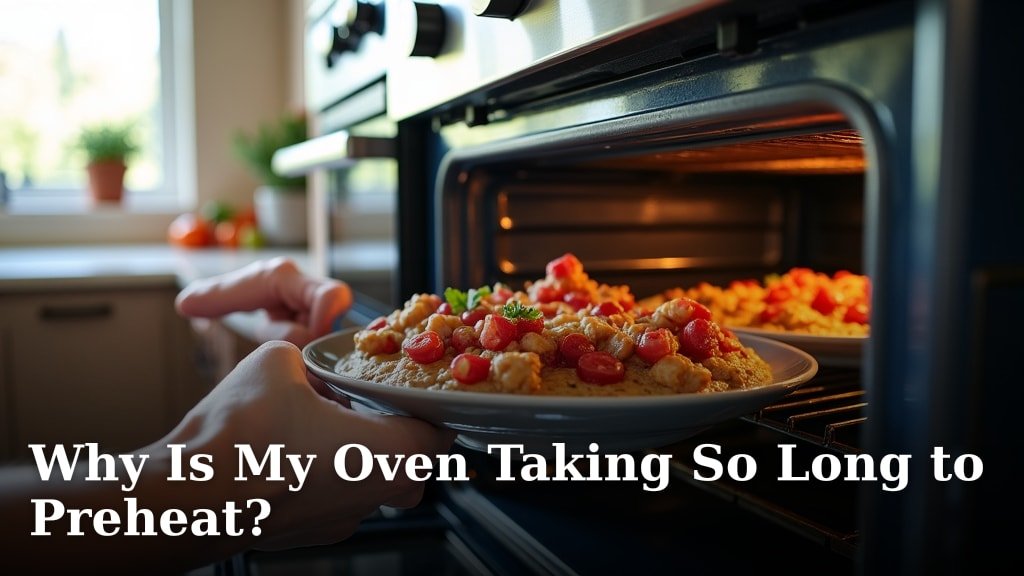
Your oven is taking so long to preheat because of several common reasons, including faulty heating elements, a worn-out temperature sensor, or simply an older oven model. These issues can make your oven work harder to reach the set temperature.
You might notice your oven feels cool after a long wait, or your food cooks unevenly. These are signs something is not right. We found that many factors can slow things down, from minor glitches to bigger problems with the oven’s parts. Don’t worry, we’re here to help you figure it out.
- Oven preheating takes too long.
- Common causes include faulty elements or sensors.
- Older ovens can naturally be slower.
- Uneven cooking is a symptom of slow preheating.
Let’s dive in and explore the exact reasons your oven might be lagging. We’ll also cover how you can troubleshoot these issues and get your oven back to peak performance.
Why Your Oven Might Be Slow to Heat Up
If your oven is dragging its feet to reach temperature, you’re not alone. We found that most slow preheating issues boil down to a few key areas. Let’s break them down so you can pinpoint the problem.
Common Culprits for Sluggish Preheat Times
The good news is that many reasons for slow preheating are quite common. You might even be able to fix some of them yourself. It often comes down to specific parts of your oven not working as they should.
Faulty or Worn-Out Heating Elements
Your oven has heating elements that generate the heat. If these are failing, your oven will struggle. We found that visible signs can often point to this problem.
- For electric ovens, look for discoloration or blistering on the elements. They might look dull or have spots.
- Gas ovens have igniters that light the gas. A weak or slow glow from the igniter could be the issue.
If an element isn’t heating properly, it’s like trying to fill a bucket with a leaky hose. The heat just isn’t getting there efficiently.
A Malfunctioning Temperature Sensor
The temperature sensor is like your oven’s thermostat. It tells the oven when to stop heating. If it’s faulty, your oven won’t know when it’s hot enough (Consumer Reports).
This can cause your oven to either keep heating past the set temperature or never reach it at all. It’s often found inside the oven cavity, usually on the back wall near the top.
You might notice your oven runs too hot or too cool, even when the display says it’s at the right temperature. This is a classic sign of a bad sensor.
Old Age and Oven Efficiency
Just like people, ovens get older and can slow down. An older oven might simply be less efficient at heating than newer models. They might have less insulation or older heating technology.
We found that ovens over 10-15 years old often take longer to preheat. This isn’t always a “broken” issue, but more about diminished performance over time.
Think of it like an older car; it still gets you there, but maybe not as fast as a new one.
Environmental Factors Affecting Preheat
Sometimes, the problem isn’t with the oven itself. Things around your oven and even your home’s setup can play a role. These are often easier to check and fix.
Drafts and Air Leaks Around the Oven Door
Is your oven door sealing properly? If there are drafts, heat can escape. This means your oven is constantly trying to heat an open system (Appliance Repair Guide).
Check the rubber gasket or seal around the oven door. It should be intact and flexible. If it’s cracked, torn, or stiff, it needs to be replaced. You can often feel cool air escaping if you put your hand near the door during preheating.
A simple paper test can help: close the oven door on a piece of paper. If you can easily pull it out, your seal might be weak.
Using Aluminum Foil on Oven Racks or Bottom
We’ve all done it: lined the bottom of the oven with foil to catch spills. However, this can actually hinder air circulation and heat distribution. Foil can reflect heat away from what’s cooking.
It can also block the airflow that your oven needs to heat evenly. This can make the oven take much longer to reach and hold temperature. Always check your oven’s manual; many manufacturers advise against using foil on the bottom or racks.
Incorrect Oven Rack Placement
Believe it or not, where you put your oven racks matters. If they’re too close together or blocking the heating elements, it can impact preheating. Heat needs space to circulate.
Ensure racks aren’t directly on top of heating elements. Most recipes recommend using the middle rack for even cooking and efficient heating.
Troubleshooting Your Slow-Heating Oven
Before you call a technician, there are several things you can check yourself. We recommend starting with the easiest fixes first.
Check Your Oven’s Power Supply
For electric ovens, make sure it’s getting enough power. A partially tripped breaker or a loose connection can affect heating. Always be careful when checking electrical components.
For gas ovens, ensure the gas supply is fully open. Sometimes, a partially turned valve can limit the gas flow, making preheating very slow.
Calibrate Your Oven’s Temperature
Many ovens allow for temperature calibration. If your sensor is slightly off, but not completely broken, calibration can help. Your oven manual will usually have instructions on how to do this.
You can use an oven thermometer to check for accuracy. Place a reliable oven thermometer inside and compare it to your oven’s display after preheating for 20 minutes.
If there’s a significant difference (more than 20-25 degrees), calibration might be your solution.
When to Call a Professional
While DIY checks are great, some issues require an expert. Knowing when to call for help can save you time and prevent further damage.
Signs You Need a Technician
If you’ve tried the simple fixes and your oven is still acting up, it’s time for professional help. Here are some clear indicators:
- No heat at all: If elements aren’t glowing or gas isn’t igniting.
- Strange smells or sounds: Burning smells or loud clicking could mean serious issues.
- Persistent temperature inaccuracies: Even after calibration attempts.
- Visible damage to electrical components: Frayed wires or burnt-out parts.
Professionals have specialized tools and training to safely diagnose and repair complex oven problems. Don’t try to fix electrical or gas issues if you’re not experienced; it can be dangerous.
Quick Checklist for Slow Preheat
Use this handy checklist to quickly go through the most common reasons your oven might be taking its sweet time to heat up. It’s a great way to start your troubleshooting journey.
- Check heating elements for visible damage.
- Inspect the oven door seal for cracks or gaps.
- Remove any aluminum foil from the oven bottom or racks.
- Verify your oven racks are positioned correctly.
- Test oven temperature with an external thermometer.
- Consult your oven manual for calibration instructions.
By following these steps, you’ll likely either find the problem or rule out the simpler causes. This helps you decide if you can fix it yourself or if it’s time for an expert.
Conclusion
Dealing with a slow oven can be frustrating, especially when you’re eager to get dinner on the table. We’ve covered everything from failing heating elements and faulty sensors to simple issues like a leaky door seal or incorrect rack placement. Remember, even the age of your oven plays a role.
By systematically checking these common culprits, you can often pinpoint the problem yourself. Don’t forget to use an oven thermometer for accuracy and consult your manual for calibration. If you’ve tried the straightforward fixes and your oven is still dragging, it’s wise to call a professional. Taking these steps will help you get your oven back to its optimal preheating speed, saving you time and stress in the kitchen.
Frequently Asked Questions
Why does my oven take 30 minutes to preheat?
An oven taking 30 minutes or more to preheat often indicates an issue with its heating efficiency. This could be due to a weakening heating element that isn’t providing enough power, a temperature sensor that’s inaccurately reading the internal temperature, or simply an older oven that has lost some of its initial heating speed. Checking these components is a good starting point.
How long should an oven typically take to preheat?
Most modern ovens should reach temperatures like 350-375°F within 10 to 15 minutes. For higher temperatures, it might take a bit longer, perhaps 20 minutes. Factors like your oven’s age, its power source (gas or electric), and even the ambient temperature of your kitchen can influence this timing.
Can a dirty oven cause slow preheating?
While a very dirty oven can affect overall cooking performance and even cause smoke, it’s less likely to be the primary cause of slow preheating. Excessive grease or food debris can sometimes interfere with heat distribution, but issues with heating elements, sensors, or door seals are far more common reasons for prolonged preheat times.
Is it normal for a new oven to preheat slowly?
Generally, a brand-new oven should preheat efficiently. If your new oven is taking an unusually long time, it’s worth checking the installation. Ensure it’s properly connected to its power source (gas or electric) and that no packing materials are obstructing vents or elements. Sometimes, new appliances can have minor factory defects, so contacting the manufacturer might be necessary.
How can I make my oven preheat faster?
To potentially speed up your oven, ensure the door seal is intact to prevent heat loss. Avoid lining the oven bottom with foil, as this can block heat circulation. Preheating with fewer racks inside can also help, as metal absorbs heat. Finally, make sure your oven is clean and free of debris that might hinder efficient operation.
