
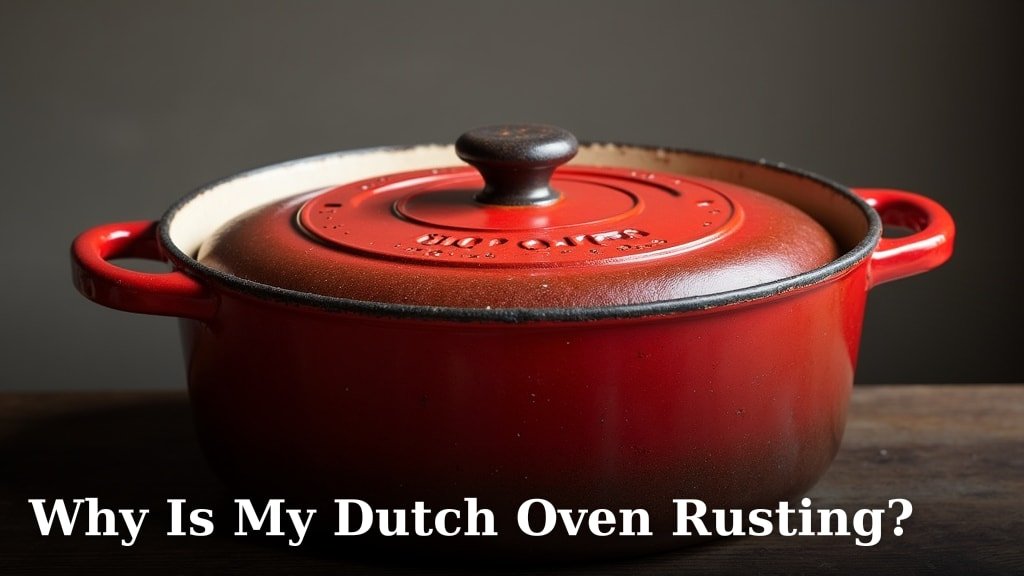
Your Dutch oven is rusting because its protective seasoning layer has been damaged or stripped away. This exposes the bare cast iron to moisture and air, leading to oxidation. It’s a common issue, but one that’s easy to fix!
You might be wondering, “How did this happen to my trusty Dutch oven?” We found that improper cleaning, like using harsh soaps, or not drying it completely after washing, are common culprits. Even storing it in a humid environment can invite rust.
- Your Dutch oven is rusting because its seasoning is gone.
- Bare cast iron + moisture = rust.
- Harsh soaps, improper drying, and humidity are common causes.
- Rust looks scary but is usually simple to remove and prevent.
Don’t worry, a rusty Dutch oven isn’t the end of its cooking days. Let’s walk through why this happens and, more importantly, how you can bring your beloved pot back to life.
Understanding Why Your Dutch Oven Gets Rusty
Your Dutch oven rusts when its protective layer, called seasoning, fails. This leaves the bare metal exposed to moisture and air. Think of it like an apple slice turning brown when left out. The iron reacts with oxygen and water, forming iron oxide – that red-orange stuff we call rust.
It’s not just about getting it wet, though. Rust is a chemical reaction. Without that oil-polymerized seasoning barrier, your cast iron is incredibly vulnerable to oxidation. We often hear from folks surprised by rust, even after just one use.
The Science Behind the Rust
At its core, rust is a form of corrosion. Cast iron is an iron alloy, which means it’s mostly iron. When water (H₂O) and oxygen (O₂) come into contact with iron (Fe), a chemical process called oxidation occurs. This leads to the formation of hydrated iron(III) oxides, or rust (Fe₂O₃·nH₂O).
This reaction happens more quickly in certain conditions. For example, saltwater accelerates rust formation because salt acts as an electrolyte, speeding up the electrochemical process. This is why you might see rust more quickly if you’ve cooked something salty and haven’t cleaned properly.
Common Ways Seasoning Gets Stripped
Seasoning is key to preventing rust. It’s a layer of polymerized oil baked onto the cast iron. When this layer is damaged, the iron underneath is exposed. Let’s look at the usual suspects.
Harsh Soaps and Detergents
We’ve all been there: you grab the nearest dish soap to clean a stubborn mess. However, modern dish soaps are formulated to break down oils and fats. While great for your plates, this is exactly what seasoning is made of!
Using these detergents, especially repeatedly, will effectively strip away your hard-earned seasoning. We found that many people unknowingly use too much soap or abrasive scrubbers, thinking they’re being thorough (NIH).
Abrasive Scrubbing Tools
Just like harsh soaps, abrasive scrubbers can physically remove the seasoning. Steel wool, metal scouring pads, or even stiff brushes can scratch through the protective layer. Imagine sanding off a coat of paint – same principle.
For most cleaning, a gentle sponge or plastic scraper is all you need. Tough spots usually respond well to warm water and a bit of elbow grease, not aggressive scrubbing.
Dishwashers: A Cast Iron No-Go
If you’re wondering if your dishwasher is safe for a Dutch oven, the answer is a resounding “no.” Dishwashers combine hot water, powerful detergents, and high-pressure sprays. This triple threat is a guaranteed way to strip seasoning and invite rust.
We’ve heard countless stories of Dutch ovens going into the dishwasher perfectly fine and coming out rusty and dull. Save yourself the headache and always hand wash your cast iron.
Environmental Factors That Promote Rust
Even if your seasoning is intact, the environment where you store your Dutch oven can play a big role in rust formation. It’s like leaving a bicycle out in the rain – eventually, it will rust, even if it had a protective coating.
High Humidity and Moisture
The number one environmental culprit is moisture. Cast iron hates moisture. If you live in a humid climate, or even if your kitchen just gets steamy from cooking, that moisture in the air can settle on your Dutch oven.
We found that people in coastal areas or those without good ventilation often struggle more with rust. It’s not just about getting it wet directly; ambient humidity contributes significantly (Cleveland Clinic).
Improper Drying After Washing
This is probably the most common mistake we see. You wash your Dutch oven, maybe even gently, but then you let it air dry or don’t dry it completely. Those tiny droplets of water left on the surface are all it takes.
Always dry your Dutch oven immediately and thoroughly after washing. We recommend using a clean cloth or paper towel. Then, place it on a burner over low heat for a few minutes. This ensures all residual moisture evaporates.
Storing Your Dutch Oven Incorrectly
Where and how you store your Dutch oven matters. Storing it in a damp basement, garage, or even a humid cabinet can lead to rust. Airflow is important.
Consider placing a paper towel inside your Dutch oven before putting the lid on. This helps absorb any stray moisture and allows for some air circulation. It’s a simple trick but surprisingly effective.
Here’s a quick checklist to help prevent common rust issues:
- Use only mild soap (if any) and warm water for cleaning.
- Avoid metal scrubbers; opt for sponges or plastic scrapers.
- Never, ever put your Dutch oven in the dishwasher.
- Always dry thoroughly immediately after washing, preferably with heat.
- Store in a dry, well-ventilated area.
- Consider adding a paper towel inside for storage.
Is Rust Always Bad? When to Worry
Finding rust on your Dutch oven can be alarming. You might think your beloved pot is ruined. Good news: usually, it’s not! Most rust on cast iron is surface rust and can be cleaned off.
However, there are degrees of rust. A light orange film is one thing, but deeply pitted, flaky rust might indicate a bigger issue. Let’s talk about the difference.
Surface Rust vs. Pitting
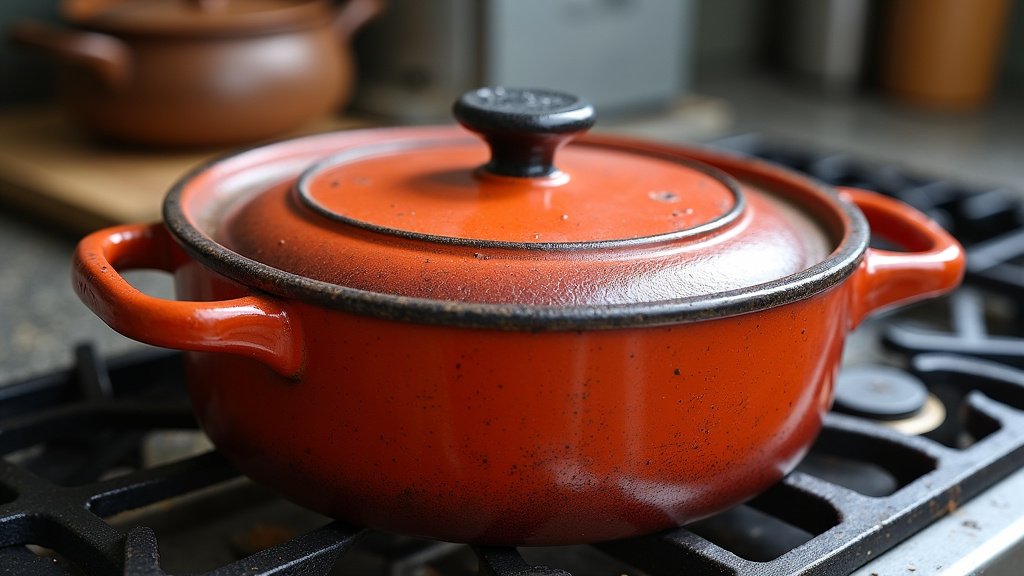
Surface rust appears as a reddish-brown discoloration or a light powdery film. It typically occurs when the seasoning is compromised in a small area or when the pot isn’t dried properly. This kind of rust is easily removed with a bit of scrubbing and re-seasoning.
Pitting, on the other hand, is more serious. This happens when rust has been left untreated for a long time, allowing it to eat into the metal itself, creating small indentations or holes. If your Dutch oven shows significant pitting, especially if it compromises the cooking surface, it might be harder to restore to a smooth, non-stick finish. However, even pitted cast iron can often be cleaned and re-seasoned, though the texture might be different.
Can You Cook With a Rusty Dutch Oven?
No, we do not recommend cooking with a rusty Dutch oven. While a tiny bit of rust isn’t likely to cause serious harm, it will affect the taste of your food and prevent proper seasoning. The rust can flake off into your meal, and it will give an unpleasant metallic flavor.
More importantly, cooking on rust prevents you from building up a good, non-stick seasoning layer. The goal is a smooth, black, seasoned surface, not a rusty red one. Always clean off the rust and re-season before cooking again.
Preventing Future Rust: Best Practices
The best defense against rust is a good offense. By adopting a few simple habits, you can keep your Dutch oven happy and rust-free for generations. It’s about being mindful of its specific needs.
The Power of Good Seasoning
Regular and proper seasoning is your Dutch oven’s superhero cape. It creates a natural, non-stick surface and acts as a barrier against moisture. Think of it as painting a waterproof layer on your pot. We found that many users neglect this step or don’t do it frequently enough.
After each use, once cleaned and dried, apply a very thin layer of high smoke point oil (like flaxseed, grapeseed, or vegetable oil) to the entire surface. Wipe off any excess, then heat your Dutch oven on low for 10-15 minutes until it just starts to smoke. This helps polymerize the oil, reinforcing your seasoning.
Cleaning Your Dutch Oven the Right Way
Forget everything you know about cleaning other pots and pans. For your Dutch oven, less is more. Here’s a basic approach we recommend:
- Immediately After Use: While still warm, scrape out any food bits with a wooden or plastic scraper.
- Warm Water Rinse: Rinse with warm water. For most messes, this is enough.
- Gentle Scrub: If needed, use a non-abrasive sponge or a stiff brush (not metal) with warm water. A tiny drop of mild dish soap is okay for very greasy situations, but use sparingly and rinse quickly.
- Thorough Drying: This is critical! Dry completely with a clean towel. Then, place it on the stovetop over low heat for a few minutes to evaporate any remaining moisture.
Many experts say that “heat drying” is the single most important step after washing (Cornell University).
Smart Storage Solutions
Your storage method can make or break your rust prevention efforts. Avoid stacking other items inside your Dutch oven, as this can scratch the seasoning. Don’t store it with the lid tightly sealed, as this traps moisture.
Instead, consider using a paper towel between the lid and the pot to allow for airflow and absorb moisture. Store it in a dry cabinet, not a damp garage or basement. Think of it as a prized possession, because it is!
By understanding why rust happens and taking these simple steps, you’re not just preventing rust; you’re also extending the life and improving the performance of your cherished Dutch oven. It’s an investment in delicious meals for years to come.
| Rust Cause | Why It Happens | Quick Fix / Prevention |
|---|---|---|
| Harsh Soaps | Strips away the protective oil seasoning. | Use only mild soap or just water; avoid strong detergents. |
| Improper Drying | Lingering water promotes oxidation. | Dry immediately and thoroughly, then heat on stove. |
| Dishwasher Use | Aggressive heat, water, and soap strip seasoning rapidly. | Never put cast iron in the dishwasher. |
| High Humidity | Moisture in the air settles on bare iron. | Store in a dry place; use a paper towel for absorption. |
| Lack of Seasoning | No barrier between iron and moisture/oxygen. | Regularly season your Dutch oven after use. |
Conclusion
As you’ve learned, a rusty Dutch oven is usually a simple fix, not a kitchen catastrophe. The key is understanding that rust appears when your cast iron’s vital seasoning is compromised, leaving it vulnerable to moisture and air. By sidestepping harsh soaps, ensuring thorough drying, and storing it wisely, you can protect your pot.
Remember, consistent seasoning and mindful cleaning are your best allies in the fight against rust. Embrace these practices, and you’ll enjoy delicious meals from your cherished Dutch oven for decades to come. It’s time to get cooking!
