
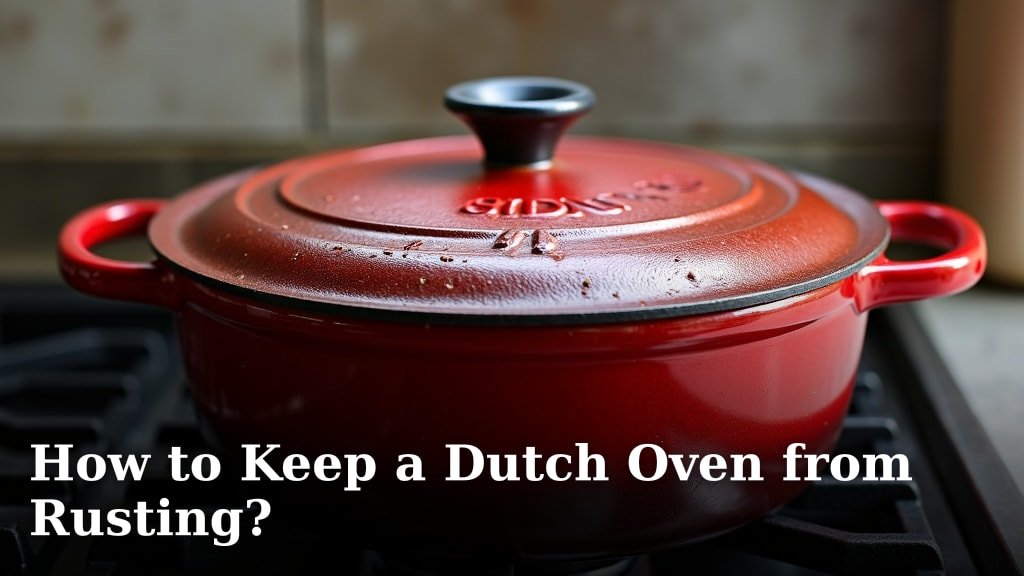
To keep a Dutch oven from rusting, you must season it regularly and store it properly. These simple steps create a protective layer, preventing moisture from causing rust.
Rust can damage your Dutch oven, affecting its performance and your cooking. We found that proper care extends its lifespan and keeps your food tasting great. Nobody wants a rusty pot, right?
- Keep your Dutch oven clean and dry.
- Season it often with oil or shortening.
- Store it in a dry place, away from humidity.
- Deal with any rust spots immediately.
Let’s walk through exactly how to protect your Dutch oven from rust, step by step.
Preventing Rust on Your Dutch Oven
Keeping your Dutch oven rust-free is easier than you might think. It really comes down to a few consistent habits. Think of it like taking care of a good cast iron pan. A little effort goes a long way!
Understanding Why Rust Happens
Rust is essentially iron oxide. It forms when iron reacts with oxygen and moisture. Your Dutch oven, being cast iron, is highly susceptible if left unprotected. Even a small amount of humidity can start the process.
We found that moisture is the primary culprit. This could be water left over after washing, condensation from humidity, or even food acids. Preventing rust means keeping that metal barrier between your pot and any water.
The Power of Seasoning
Seasoning is your Dutch oven’s best friend. It’s not just for flavor; it’s a protective layer against rust. Think of it as a natural, non-stick coating that also keeps moisture out.
What is Seasoning?
Seasoning is baked-on oil or fat that polymerizes, forming a thin, hard, and slick layer on the cast iron surface. This layer fills in the microscopic pores of the metal. It creates a smooth, non-porous barrier.
We found that the more you use and properly care for your seasoned Dutch oven, the better that protective layer becomes. It builds up over time, offering stronger defense against rust.
How to Season Your Dutch Oven
Seasoning isn’t a one-time event; it’s an ongoing process. Here’s how to do it right:
- Clean it well: After each use, wash your Dutch oven with warm water. You can use a tiny bit of soap, but avoid harsh detergents.
- Dry thoroughly: This step is critical! Use a clean towel to dry it completely. Many experts recommend placing it on low heat on the stovetop for a few minutes to ensure all moisture evaporates.
- Apply a thin oil layer: Once dry, apply a very thin layer of high-smoke point oil (like vegetable oil, canola oil, or flaxseed oil) to all surfaces, inside and out. Use a paper towel to rub it in.
- Wipe excess: The key is thin. Wipe off any excess oil until the surface looks almost dry. Too much oil will result in a sticky, gummy finish.
- Bake (optional for maintenance): For initial seasoning or a deep re-seasoning, bake it upside down in a preheated oven at 450-500°F (232-260°C) for an hour. Let it cool in the oven. For regular maintenance, just wiping and drying is often enough.
Proper Cleaning Techniques
Your cleaning routine plays a huge role in rust prevention. It’s not just about getting food off; it’s about preparing it for storage.
Gentle Washing
Avoid abrasive scrubbers like steel wool unless you’re trying to remove rust. Use a stiff nylon brush or a pan scraper for stubborn bits. Warm water is usually all you need.
We found that soap is fine for well-seasoned cast iron (Mayo Clinic). Just don’t let it sit in soapy water. Wash quickly and rinse thoroughly.
The Importance of Drying Immediately
This is where most rust problems begin! As soon as you wash your Dutch oven, dry it completely. Water + iron = rust, plain and simple.
After towel-drying, put your Dutch oven on the stove over low heat for 5-10 minutes. This heats the metal and evaporates any residual moisture. You’ll literally see steam if there’s water left. This “heat drying” step is highly recommended by seasoned cast iron users.
Smart Storage Solutions
Where and how you store your Dutch oven directly impacts its rust-free status. Humidity is the enemy.
Location, Location, Location
Store your Dutch oven in a dry place. Avoid damp basements, garages, or areas near dishwashers that release steam. A kitchen cabinet away from the sink is ideal.
We found that proper air circulation also helps. Don’t seal it in an airtight container where moisture could get trapped inside.
Airing It Out
When storing, place a paper towel or a small cloth between the pot and the lid. This allows air to circulate, preventing moisture buildup inside. It also protects the seasoning from getting scratched by the lid.
Think of it like opening a window in a stuffy room. This simple trick can make a big difference in preventing condensation and subsequent rust.
Addressing Rust Spots Quickly
Despite your best efforts, sometimes rust happens. Don’t panic! It’s usually fixable if caught early.
Early Detection is Key
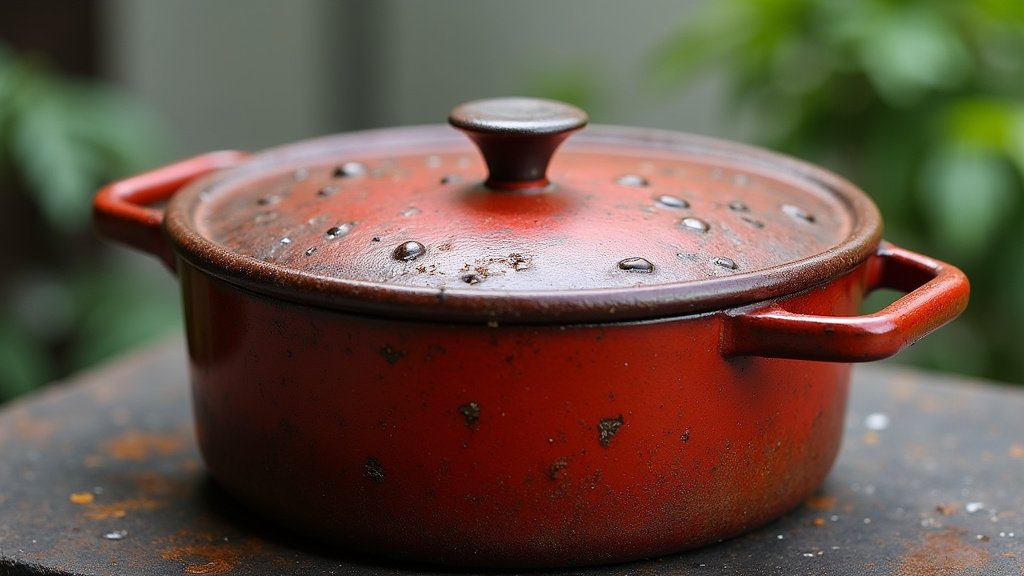
Regularly inspect your Dutch oven for any signs of rust. Small orange or reddish spots are an indicator. The sooner you address them, the easier they are to remove.
How to Remove Minor Rust
For small rust spots, you can usually scrub them away with a stiff brush and warm water. For more stubborn areas, a little salt or baking soda mixed with oil can act as a gentle abrasive. Scrub vigorously until the rust is gone.
Once the rust is removed, immediately re-season the affected area, or even the whole pot. This restores the protective barrier. We found this immediate re-seasoning to be the most critical step after rust removal.
Dos and Don’ts for Dutch Oven Care
To help you keep your Dutch oven in pristine condition, here’s a quick guide:
| Do These Things | Avoid These Things |
|---|---|
| Dry completely after washing. | Air dry or leave wet. |
| Apply a thin layer of oil after drying. | Use too much oil, leading to stickiness. |
| Store in a dry, well-ventilated area. | Store in damp places like a garage or basement. |
| Place a paper towel between the lid and pot. | Store with the lid fully sealed. |
| Address rust spots immediately. | Let rust sit and spread. |
| Use wooden or silicone utensils. | Use metal utensils that can scratch seasoning. |
A Quick Checklist for Rust-Free Success
Keep this simple checklist handy to ensure your Dutch oven stays in top shape:
- Wash promptly after use.
- Towel dry, then heat dry on the stovetop.
- Apply a super thin layer of cooking oil.
- Store in a dry place with the lid slightly ajar.
- Check for rust often and deal with it right away.
- Re-season when needed.
You’ll find that these habits quickly become second nature. Your Dutch oven will thank you by providing years of delicious meals, free from any unwanted rust. Happy cooking!
Conclusion
Keeping your Dutch oven rust-free boils down to a few consistent habits: always dry it thoroughly, maintain its seasoning layer, and store it wisely. We’ve seen that these simple practices prevent rust and extend your pot’s life for generations.
Don’t let rust deter you from enjoying your favorite cast iron cooking. By following these steps, you’ll ensure your Dutch oven remains a reliable kitchen companion. So, grab your oil and get seasoning; your delicious meals await!
Frequently Asked Questions
Can I use soap on my Dutch oven without ruining the seasoning?
Yes, you can use a small amount of mild dish soap on a well-seasoned Dutch oven. Contrary to old beliefs, modern dish soaps are less harsh and won’t strip away polymerized oil. Just make sure to rinse quickly and thoroughly dry it immediately after washing.
What kind of oil is best for seasoning a Dutch oven?
For seasoning, we recommend oils with a high smoke point like vegetable oil, canola oil, or flaxseed oil. These oils polymerize effectively, creating a durable, non-stick surface. Avoid olive oil as it has a lower smoke point and can become sticky.
How often should I re-season my Dutch oven?
The frequency of re-seasoning depends on how often you use your Dutch oven and what you cook in it. For regular use, a light re-oiling after each wash and heat dry is usually sufficient. A full oven re-seasoning might be needed every few months or if you notice food sticking or dull spots.
My Dutch oven rusted. Is it ruined forever?
Absolutely not! A rusty Dutch oven is almost always salvageable. You can scrub off the rust with an abrasive, like steel wool or a salt paste, and then thoroughly re-season it. It might take a few rounds, but you can restore it to its former glory.
Can I put my Dutch oven in the dishwasher?
No, you should never put your Dutch oven in the dishwasher. The harsh detergents and prolonged exposure to hot water will strip away all the seasoning and lead to immediate rusting. Always handwash and dry it promptly.
