Can You Use a Dutch Oven on a Glass Top Stove?
Yes, you can use some Dutch ovens on a glass top stove. Choose cookware the cooktop supports, lift it instead of sliding it, and handle its weight carefully.
On this page (9 sections)
- What makes a Dutch oven suitable for a glass top stove?
- How heavy is too heavy for a glass cooktop?
- How should you prepare the stove and pot?
- How do you move a Dutch oven without scratching glass?
- Are enameled Dutch ovens better for glass top stoves?
- What heat setting should you use?
- What should you avoid on a glass top stove?
- Can you use a Dutch oven in other appliances?
- What is the safest way to use a Dutch oven on glass?
Yes, you can use a Dutch oven on a glass top stove, but the pot must have a clean, smooth base and you must move it carefully. Cast iron is heavy, so dragging, dropping, or twisting the pot can scratch or crack the glass.
Check both manuals before cooking. Your cooktop may set limits for cookware size, weight, or materials, while the Dutch oven instructions explain where it can be used.
What makes a Dutch oven suitable for a glass top stove?
A Dutch oven is suitable when the cooktop allows its material and weight, and the bottom is smooth and clean. The pot should sit flat without rocking.
Bare cast iron can have a textured or uneven base. That does not automatically make it unsafe, but it increases the need to inspect the bottom and avoid sliding the pot.
Enamel-coated cookware can be easier to position on a glass surface when the base is smooth. It still needs careful handling because the cast iron body can be heavy.
The key difference is movement. A pot that sits safely while cooking can still damage the cooktop if you drag it across the glass.
For more detail on choosing between cooking locations, see Dutch Oven on the Stovetop vs in the Oven: Which Should You Use?.
How heavy is too heavy for a glass cooktop?
There is no universal weight limit for every glass cooktop. Check the manual for your exact stove, especially if you plan to use a large cast iron pot filled with food.
Remember that the cookware weight is only part of the load. Water, soup, beans, and other ingredients add weight while the pot is on the glass.
A full Dutch oven is also harder to control. Use both hands on the handles, keep the pot close to the cooktop, and ask for help rather than lifting an awkward load alone.
Never drop a Dutch oven onto the surface. A sudden impact can cause damage even when the pot is otherwise suitable for stovetop cooking.
How should you prepare the stove and pot?
Clean both surfaces before setting the Dutch oven down. A grain of salt, food scrap, or hardened residue between the pot and cooktop can act like grit under a heavy pan.
Wipe the cooktop with the cleaner approved in its manual. Clean and dry the Dutch oven base, then check for chips, sharp edges, burrs, or rough material that could contact the glass.
Set the pot down gently in the center of a burner that matches its base. A pot that extends far beyond the heating area may heat unevenly, while one that is too small can waste heat.
Do not place a cold Dutch oven on a hot burner unless the cookware and cooktop instructions allow that change. Avoid sudden temperature changes that may stress the glass or cookware.
Is the Lodge Cast Iron Double Dutch Oven a good fit?
The Lodge Cast Iron Double Dutch Oven suits cooks who want a 2-in-1 Dutch oven and dual-handle skillet for stovetop meals, baking, frying, and other recipes. It has a 5-quart title capacity, a 4.75-liter listed capacity, and weighs 13.1 lb.
Its cast iron construction retains heat and is described for ovens, stovetops, grills, and campfires. The product data does not specifically identify glass or ceramic cooktop compatibility, so check your stove manual and inspect the base before use.
The hand-wash-only care instruction also makes careful cleanup important. Dry the pot fully after washing and keep the base free from residue before returning it to a glass surface.
How do you move a Dutch oven without scratching glass?
Lift the Dutch oven straight up, then set it down gently. Do not slide it from a cold burner to a hot burner or rotate it in place.
Use both handles when the pot has food inside. If the handles are hot, use dry, heat-safe protection that gives you a firm grip.
Plan the cooking position before turning on the burner. This reduces the need to move a heavy pot while it is hot.
If you need to stir, keep the pot still and use a utensil that will not scrape the cookware. Do not rock the Dutch oven back and forth to loosen food.
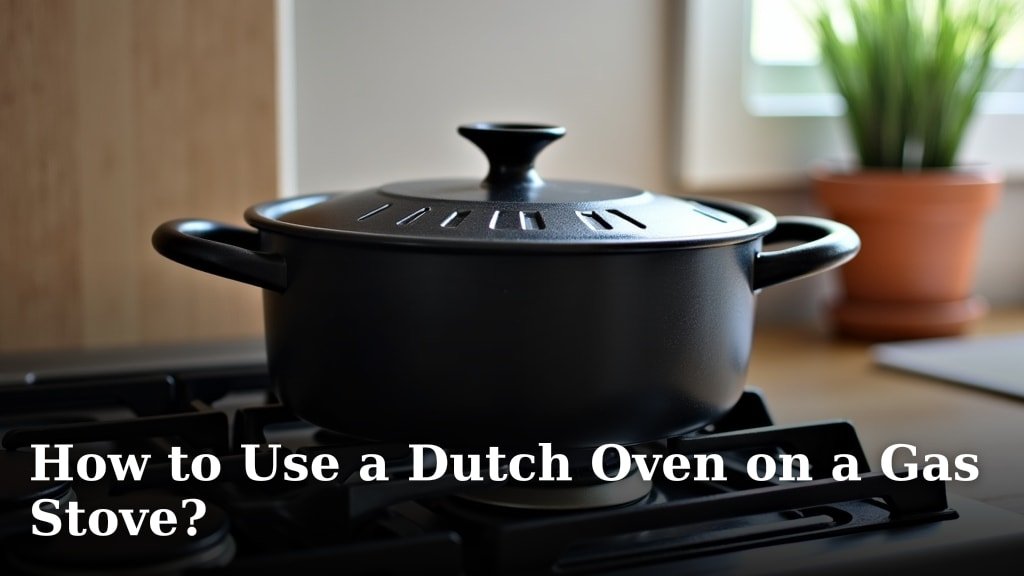
For a different cooktop, read Best Dutch Oven For Gas Stoves. Gas burners have different contact points and movement concerns.
Are enameled Dutch ovens better for glass top stoves?
Enameled Dutch ovens can be a practical choice when the model is approved for ceramic cooktops and has a smooth base. They still need the same lifting and cleaning habits as bare cast iron.
Enameled cookware also avoids some bare-cast-iron care concerns, such as rust prevention. However, enamel can chip if the pot is struck or dropped, so careful placement remains important.
Do not assume that every enameled Dutch oven has the same compatibility. Confirm the exact model's instructions and your cooktop's requirements before using it.
Is the Lodge Essential Enamel Cast Iron Braiser a good fit?
The Lodge Essential Enamel Cast Iron Braiser suits cooks who want a 3.6-quart braising pan with dual assist handles. It weighs 13.5 lb, has a Caribbean Blue finish, and is described as compatible with gas, electric, ceramic, and induction cooktops.
Its moisture-locking lid supports broiling, braising, baking, and roasting. The wide handles can help you control the pan, but the full pan may be heavier once food is added.
The care instructions say to hand wash it. Lift it from the glass surface rather than dragging it toward the sink, and let it cool according to the cookware and cooktop instructions.
Is the Lodge Essential Enamel Cast Iron Dutch Oven a good fit?
The Lodge Essential Enamel Cast Iron Dutch Oven suits cooks who need a 6-quart enameled pot for braising, roasting, baking, simmering, marinating, refrigerating, and serving. It weighs 13.5 lb and has dual handles.
This model is described as compatible with gas, electric, ceramic, and induction cooktops. Its enamel surface does not need seasoning, while the maker recommends hand washing with warm, soapy water and a nylon scrub brush.
The 6-quart size can hold more food than a smaller braiser, but that also increases the filled weight. Check that you can lift it safely before placing it on or removing it from the glass.
What heat setting should you use?
Start with a moderate heat setting and adjust gradually. Cast iron holds heat well, so a high setting can make the pot hotter than needed after the food begins cooking.
Preheating time depends on the recipe and cookware. Avoid turning an empty Dutch oven to maximum heat while you prepare ingredients.
Keep the burner size close to the base size where possible. Follow the cooktop manual if it gives specific guidance about oversized pans or extended cooking.
If the food needs a lower temperature, reduce the heat before the pot becomes difficult to control. A heavy Dutch oven may continue cooking strongly after the burner setting changes.
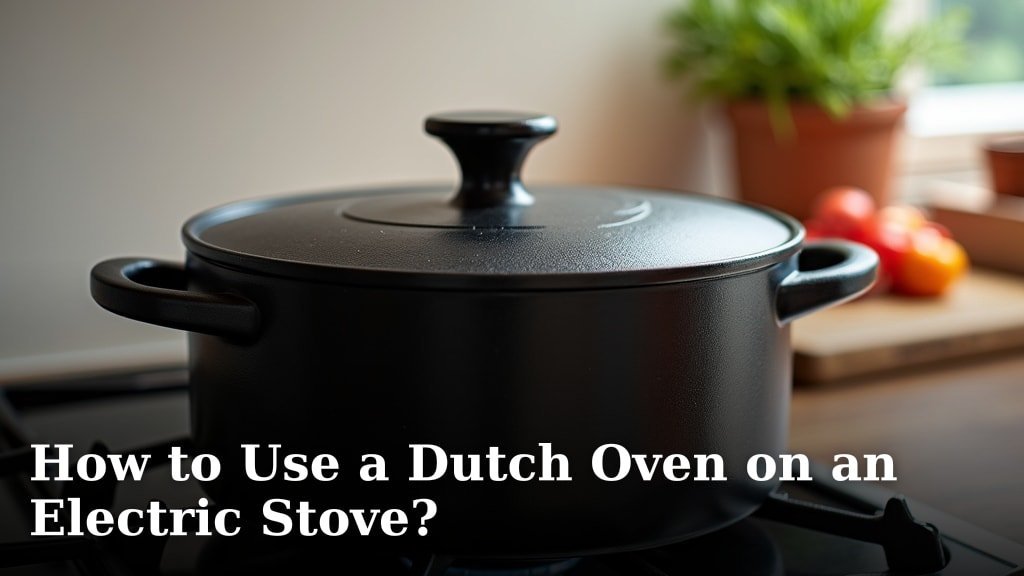
For electric cooktop guidance, see How to Use a Dutch Oven on an Electric Stove?. For gas burners, see How to Use a Dutch Oven on a Gas Stove?.
What should you avoid on a glass top stove?
Avoid dragging, dropping, shaking, or twisting a heavy Dutch oven on the glass. Do not place a pot with a rough or dirty base on the cooktop.
Avoid putting a hot Dutch oven on a cold, wet counter unless the cookware instructions permit it. Thermal shock can damage some surfaces, and a heavy pot can damage a fragile countertop.
Do not use a glass cooktop as a cooling rack for a very hot pot if the stove manual warns against it. The burners and surface may remain hot even after the controls are off.
Do not cover the cooktop with foil, a towel, or an unapproved mat under the Dutch oven. These materials can interfere with heat transfer or create a handling hazard.
Can you use a Dutch oven in other appliances?
A Dutch oven may be suitable for an oven, but cooktop compatibility does not mean microwave compatibility. The appliance, cookware material, lid, handles, and temperature rating all matter.
The Lodge Cast Iron Double Dutch Oven is described as oven safe and rated to 315°C. The Lodge Essential Enamel Cast Iron Dutch Oven is described as oven safe up to 500°F.
Read the appliance and cookware instructions before changing cooking methods. For related questions, see Can You Use A Dutch Oven In Toaster Oven? and Can You Use a Dutch Oven in a Microwave?.
What is the safest way to use a Dutch oven on glass?
Choose a compatible, smooth-bottomed pot, clean the contact surfaces, use moderate heat, and lift the Dutch oven every time you move it. These habits address the main risks: weight, grit, impact, and sliding.
The Lodge Essential Enamel Cast Iron Braiser and Lodge Essential Enamel Cast Iron Dutch Oven are described for ceramic cooktops. The Lodge Cast Iron Double Dutch Oven is described for stovetops, so confirm glass-top use with your cooktop and cookware instructions.
Pick the braiser if 3.6 quarts and dual assist handles suit your meals. Pick the 6-quart enameled Dutch oven for larger batches, or choose the double Dutch oven if the 2-in-1 pot and skillet design fits your cooking style.
Finally, measure your lifting space and plan where the hot pot will go before you turn on the burner. That simple step helps you avoid sliding a heavy Dutch oven across the glass.
Frequently asked questions
Can you use a Dutch oven on a glass top stove?
Yes, you can use a Dutch oven on a glass top stove when its care instructions and your cooktop manual allow it. Check the bottom for rough spots, clean away grit, and lift the pot instead of sliding it.
Weight matters because a heavy cast iron pot can damage the glass if dropped or dragged.
Will cast iron scratch a glass cooktop?
Cast iron can scratch or mark a glass cooktop if its base is rough, dirty, or dragged across the surface. Inspect the bottom before cooking, wipe away crumbs and grit, and lift the Dutch oven with both hands.
Do not shake or slide it while it is on the cooktop.
Is an enameled Dutch oven safer for a glass top stove?
An enameled Dutch oven may be easier to use on a glass top stove when its base is smooth and the cookware is approved for ceramic cooktops. Enamel does not remove the need for careful handling, because the pot can still be heavy and dropping it can damage the surface.
How do you protect a glass cooktop from a Dutch oven?
Protect a glass cooktop by cleaning the surface and pot base, keeping the heat moderate, lifting the Dutch oven instead of sliding it, and allowing it to cool before moving it. Follow the cooktop manual for cookware weight, size, and cleaning guidance.