
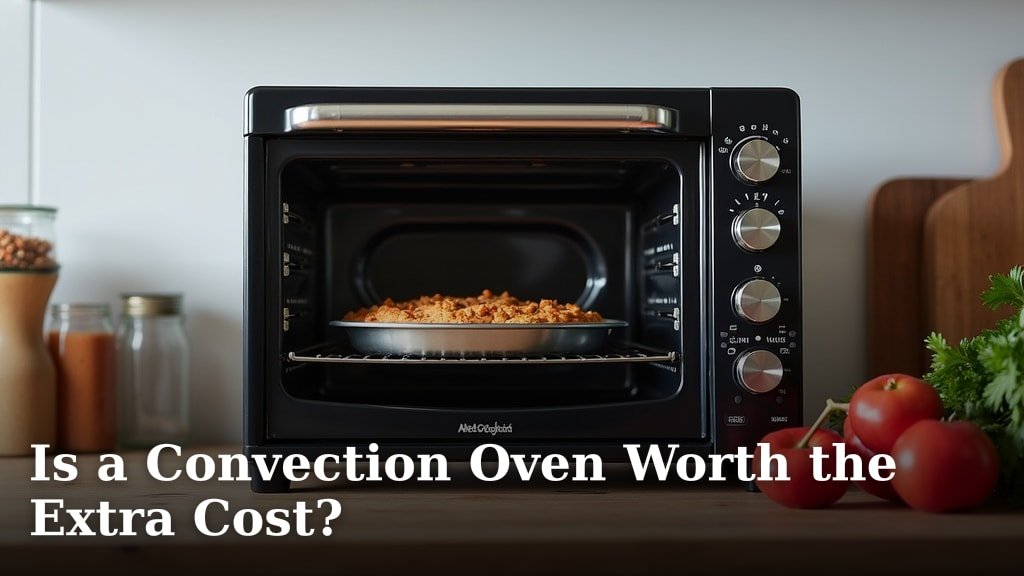
Yes, a convection oven is worth the extra cost for many home cooks. It offers faster cooking times and more even results than a traditional oven. You get better browning and crispier textures too.
Many home chefs love convection ovens for their ability to transform everyday meals. Think perfectly roasted vegetables or uniformly baked cookies. The circulating hot air makes a noticeable difference in your cooking.
- Cooks food faster
- Bakes more evenly
- Provides crispier results
- Great for roasting and baking
- Might save you time in the kitchen
Let’s explore why so many people are switching to convection and if it’s the right choice for your kitchen.
Is a Convection Oven a Smart Investment for Your Kitchen?
Yes, for many home cooks, a convection oven is a smart investment. It improves your cooking results and can save you time in the kitchen. The circulating air makes a real difference.
Understanding How Convection Works
What exactly is a convection oven? It’s simply an oven that has a fan and an exhaust system. This fan circulates the hot air around your food. It’s different from a traditional oven, which just relies on heat rising.
The Science Behind the Airflow
When hot air moves, it cooks food faster and more evenly. Think of it like a blow dryer versus just letting your hair air dry. The moving air speeds things up. This consistent airflow removes the cool air blanket that often surrounds food in a regular oven. This “air blanket” can slow down cooking and lead to uneven browning.
Convection Fan Types
Not all convection ovens are the same. Some have a single fan, while others have multiple fans. Some even have an extra heating element around the fan. This is called “true convection” or “European convection.” True convection gives you even better results, especially when baking multiple trays of cookies (National Institutes of Health).
The Clear Advantages of Convection Cooking
Switching to convection brings several benefits that can change how you cook. You’ll notice improvements in both taste and texture. It’s like upgrading your cooking superpowers.
Faster Cooking Times
One of the biggest perks is speed. Because the hot air is constantly moving, it transfers heat more efficiently. This means your food cooks faster. We found that cooking times can often be reduced by 25% (Cleveland Clinic). Imagine getting dinner on the table sooner!
You can often cook at a lower temperature too. For instance, if a recipe calls for 375°F in a conventional oven, you might use 350°F in a convection oven. Always check your oven’s manual or adjust by small increments at first.
More Even Baking and Roasting
Have you ever baked a tray of cookies only to find some are perfectly golden and others are still pale? A traditional oven often has hot spots. The circulating air in a convection oven eliminates these. This means your entire batch of cookies will be evenly baked. Your roasted vegetables will brown consistently on all sides too.
Superior Browning and Crispiness
The constant airflow also helps to evaporate moisture from the surface of food more quickly. This leads to better browning and a crispier texture. Think about roasted chicken with super crispy skin or perfectly golden-brown french fries. Many home chefs say this is one of the most rewarding aspects of convection cooking.
Is There a Downside to Convection?
While convection offers many benefits, it’s not without its learning curve. You might need to adjust some of your cooking habits. It’s not a set-it-and-forget-it upgrade right out of the box.
Adjusting Recipes and Temperatures
Because food cooks faster and more efficiently, you can’t always follow traditional recipes exactly. You’ll often need to lower the temperature or reduce the cooking time. Many experts suggest reducing the temperature by 25 degrees Fahrenheit or decreasing the cooking time by 25%. This takes some getting used to.
Certain Foods Don’t Benefit
Not everything is better in a convection oven. Delicate foods that need to rise, like soufflés, custards, or some quick breads, can sometimes be negatively affected by the strong airflow. It can cause them to dry out or bake unevenly on top. For these items, you might want to switch off the convection fan or use a regular oven.
Convection Oven vs. Traditional Oven: A Quick Comparison
Let’s look at how the two oven types stack up. This can help you see why one might be a better fit for you.
| Feature | Traditional Oven | Convection Oven |
|---|---|---|
| Heat Distribution | Radiant (heat rises), often uneven | Fan-forced (circulating), very even |
| Cooking Speed | Slower | Faster (often 25% quicker) |
| Browning/Crisping | Less consistent, can be soft | More consistent, crispier textures |
| Moisture Retention | Higher (can steam food) | Lower (dries surfaces, creates crispness) |
| Recipe Adjustment | Rarely needed | Often needed (lower temp/time) |
| Cost | Generally lower | Generally higher |
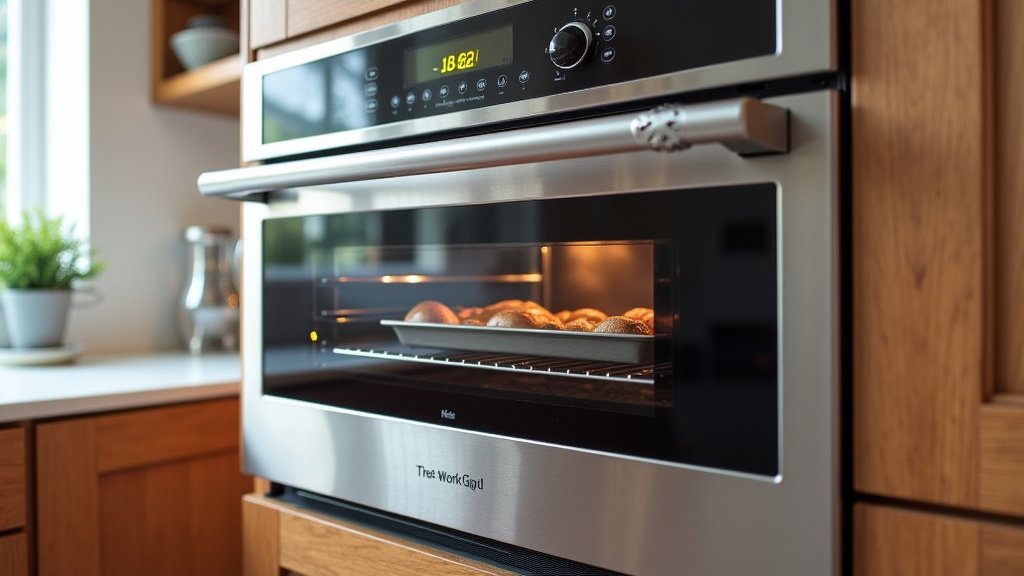
Is a Convection Oven Right for Your Cooking Style?
Now that you know the ins and outs, let’s consider if a convection oven aligns with your kitchen needs. Are you a frequent baker or roaster? Do you value efficiency? Your answers will guide your decision.
When Convection Shines Brightest
If you love to roast vegetables, bake multiple trays of cookies, or cook large cuts of meat, convection will be your new best friend. It excels at tasks where even heat and crispy exteriors are key. Imagine holiday meals where everything is cooked perfectly and on time.
What to Consider Before Buying
Before you commit, think about a few things. What do you cook most often? How much extra are you willing to spend? Do you have space for a new appliance, or are you upgrading your current one? If space is a concern, consider exploring options for the best oven for small kitchens.
Many modern ranges and wall ovens come with both conventional and convection settings. This gives you the best of both worlds. You can choose the setting that’s best for the specific dish you’re preparing.
A Convection Oven Checklist: Is it for You?
Use this quick checklist to see if a convection oven fits your cooking needs and budget. Be honest with yourself!
- Do you frequently roast meats or vegetables?
- Do you bake cookies or pastries often?
- Are you frustrated by unevenly cooked food?
- Do you wish your food had crispier textures?
- Are you comfortable adjusting recipes slightly?
- Is the potential higher cost within your budget?
If you answered “yes” to most of these, a convection oven will likely be a fantastic addition to your kitchen.
Conclusion
Deciding if a convection oven is worth the extra cost comes down to your cooking habits. If you frequently roast, bake, or want faster, more even results, it’s a smart upgrade. The benefits of quicker cooking and crispier textures often outweigh the learning curve.
Consider how much you value efficiency and consistent culinary outcomes. If those are priorities, you’ll likely find a convection oven to be a truly rewarding addition. Take another look at your cooking routine and make the choice that feels right for your kitchen.
Frequently Asked Questions
Can I use regular bakeware in a convection oven?
Yes, you can generally use your existing bakeware in a convection oven. However, lighter-colored pans can promote more even browning due to the increased air circulation. Darker pans might brown food quicker in convection mode.
Do I need to preheat a convection oven differently?
Not necessarily. While food cooks faster, you still need to preheat to the desired temperature. Some ovens have a “convection preheat” setting, which might be quicker. Always allow the oven to reach temperature before placing food inside.
Is a convection oven louder than a traditional oven?
A convection oven will be slightly louder than a traditional oven because of the fan. The noise is usually a low hum and not overly intrusive. Most people find it barely noticeable during normal kitchen activity.
Does a convection oven use more electricity?
Despite cooking faster, a convection oven is often more energy-efficient. It cooks at lower temperatures and for shorter durations. This usually results in less energy consumption overall compared to a traditional oven for the same dish.
Can a convection oven replace other kitchen appliances?
While versatile, a convection oven won’t fully replace appliances like air fryers or dehydrators. It can perform similar functions for some dishes, offering crispy results. However, specialized appliances often excel at their specific tasks.
