
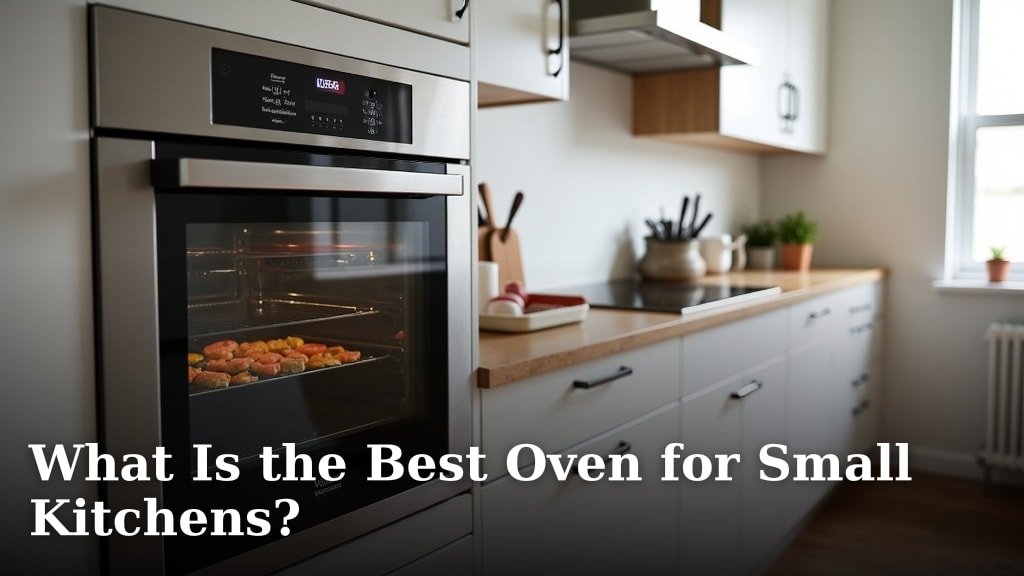
For small kitchens, the best oven is usually a countertop convection oven, a compact wall oven, or an extra-small range. These options save space while still giving you great cooking power. Choosing the right one depends on your cooking habits and kitchen layout.
You want an oven that fits your space without feeling cramped, right? We found that people often struggle with this choice, balancing size with features. It’s about finding that perfect match for your culinary needs in a tighter footprint.
- Countertop convection ovens offer versatility.
- Compact wall ovens save counter space.
- Small ranges combine cooktop and oven.
- Consider features like self-cleaning.
- Look for energy efficiency to save money.
Let’s walk through how to pick the perfect oven for your small kitchen, ensuring you get both function and fit without compromise.
Optimizing Your Small Kitchen with the Right Oven
When space is tight, every appliance choice matters. We understand the challenge of finding an oven that fits your kitchen and your lifestyle. Let’s look at the best options available and how to choose the one that’s perfect for you.
Understanding Oven Types for Compact Spaces
You have a few main choices when you’re short on kitchen real estate. Each type offers different benefits and drawbacks. Knowing these differences helps you make an informed decision.
Countertop Convection Ovens: Small but Mighty
These are often your first thought for a small kitchen, and for good reason. Countertop convection ovens are versatile and powerful. They sit right on your counter, so no installation is needed. They’re like a mini-version of a full-sized oven, but often more efficient.
A convection fan circulates hot air, cooking food faster and more evenly. This means your cookies bake perfectly, and that roast chicken gets a nice crisp skin. Many models can also toast, broil, and even air fry. Think of them as your kitchen’s multi-tool.
We found that these ovens are especially good if you don’t cook large meals often. They’re perfect for singles, couples, or heating up smaller dishes. Plus, they usually cost less than traditional ovens.
Compact Wall Ovens: Blending In
If you prefer a built-in look and want to keep your counters clear, a compact wall oven might be ideal. These ovens are designed to fit into cabinets, saving precious counter space. They come in various sizes, often narrower or shorter than standard wall ovens.
Installation requires professional help, which adds to the initial cost. However, the sleek, integrated look can make your small kitchen feel larger and more organized. They often offer many of the same features as full-sized wall ovens.
We’ve seen these ovens in many stylish, compact apartment kitchens. They’re great for a more permanent kitchen setup where aesthetics are important.
Extra-Small Ranges: The All-in-One Solution
Sometimes you need both a cooktop and an oven, but in a miniature package. That’s where an extra-small range comes in. These units combine burners and an oven into one appliance, typically 20 or 24 inches wide instead of the standard 30 inches.
This is a classic solution for very small kitchens or kitchenettes. You get full cooking functionality without needing separate appliances. They’re a space-saving powerhouse.
You’ll find models with electric or gas cooktops, just like their larger counterparts. If you do a lot of stovetop cooking and baking, and need a single footprint solution, this is probably your best bet.
Key Features to Consider for Small Kitchen Ovens
Once you know the type of oven you’re leaning towards, it’s time to dig into the features. Not all ovens are created equal, especially when space is at a premium. What do you really need?
Size and Capacity: Fitting Just Right
This is perhaps the most important factor. Measure your available space carefully, multiple times. For countertop ovens, consider the depth and height clearance under cabinets. For wall ovens and ranges, measure the width, height, and depth of the opening or space.
Think about what you cook. Do you need to fit a 9×13-inch baking dish? A small roast chicken? Check the internal capacity (usually in cubic feet) and the interior dimensions of the oven. A smaller external footprint doesn’t always mean a tiny interior, but it’s important to verify.
We recommend visualizing your largest cooking pan inside the oven before you buy. Bring a measuring tape to the store!
Cooking Functions: Beyond Basic Baking
Modern ovens do much more than just bake. Many small ovens come with a surprising array of functions:
- Convection: Speeds up cooking and ensures even browning. A must-have, if you ask us.
- Broil: Great for melting cheese or finishing dishes with a crisp topping.
- Toast: Standard in many countertop models, replacing a separate toaster.
- Air Fry: A popular feature that gives you crispy results with less oil (especially in countertop units).
- Proofing: A low-temperature setting perfect for rising bread dough.
- Dehydrate: Allows you to make dried fruits and jerky.
Think about your cooking habits. Will you use these extra functions? Or do you just need a reliable oven for baking and roasting?
Energy Efficiency: Saving on Utility Bills
An oven is a significant energy user. Looking for ENERGY STAR certification can help you save money over time. Smaller ovens generally use less energy than large ones, simply because there’s less space to heat.
For countertop ovens, they heat up faster and use less energy for smaller tasks than heating a full-sized oven. This can add up to noticeable savings on your utility bills over the year (U.S. Department of Energy).
Consider the wattage for electric ovens. Higher wattage means faster heating but also more initial power draw. Balance this with your circuit capacity.
Cleaning Features: Keeping it Tidy
Cleaning an oven can be a chore, especially in a small kitchen. Look for features that make your life easier:
- Non-stick interior: Wipes clean more easily.
- Removable crumb tray: Essential for countertop models, catching drips and crumbs.
- Self-cleaning cycle: High heat burns away grime (typically on wall ovens and ranges).
- Steam clean: Uses water and lower heat to loosen baked-on food.
A little convenience goes a long way in a busy kitchen. Choosing an oven that’s easy to maintain saves you time and effort.
Small Kitchen Oven Comparison at a Glance
To help you visualize the differences, here’s a quick comparison of the main types of ovens suitable for small kitchens:
| Oven Type | Pros | Cons | Ideal For |
|---|---|---|---|
| Countertop Convection Oven | No installation, portable, multi-functional, energy efficient for small tasks. | Takes up counter space, limited capacity, can look cluttered. | Renters, singles/couples, light baking, secondary oven. |
| Compact Wall Oven | Sleek built-in look, saves counter space, often full-featured. | Professional installation required, higher cost, less portable. | Permanent small kitchens, modern design, desire for integrated appliances. |
| Extra-Small Range | All-in-one solution (cooktop + oven), full cooking functionality. | Requires dedicated floor space, limited oven capacity, fewer size options. | Very small kitchens needing both stovetop and oven, budget-conscious. |
Making Your Final Decision: A Checklist
Ready to choose? Use this checklist to guide your thoughts and ensure you pick the perfect oven for your compact culinary haven.
- Measure your space: Triple-check the dimensions of where the oven will go.
- Consider your cooking style: What do you cook most often? Baking, roasting, air frying?
- Budget carefully: Don’t forget installation costs for built-in models.
- Look for key features: Convection, self-cleaning, and internal capacity are often top priorities.
- Read reviews: See what others say about performance, reliability, and ease of use.
- Check energy efficiency: Look for ENERGY STAR ratings to save money over time.
Choosing an oven for a small kitchen is about balancing your needs with your space. You don’t have to compromise on quality or functionality. With the right choice, your small kitchen can be just as mighty as a larger one.

Conclusion
Choosing the best oven for your small kitchen doesn’t mean settling for less. We’ve shown you that options like countertop convection ovens, compact wall ovens, and extra-small ranges offer powerful performance in a smaller footprint. Your ideal choice hinges on your cooking habits, available space, and desired features.
Remember to measure carefully and consider what functions you’ll truly use. By doing so, you can create a highly functional and efficient kitchen. You’ll soon be enjoying delicious meals, even in a compact space!
Frequently Asked Questions
Are small ovens less powerful than full-sized ovens?
Not necessarily. While they have less internal capacity, many small ovens, especially convection models, can cook just as effectively. They often heat up faster and can be more energy-efficient for smaller meals, matching the power of their larger counterparts for everyday tasks.
Can a countertop oven replace a traditional oven entirely?
For many households, especially singles or couples, a good countertop convection oven can absolutely replace a traditional oven. It handles most baking, roasting, and even toasting tasks. However, if you regularly cook large turkeys or multiple dishes at once, you might miss the extra capacity.
What’s the typical lifespan of a small kitchen oven?
The lifespan varies by type and brand, but you can generally expect a compact wall oven or an extra-small range to last 10-15 years, similar to full-sized models. Countertop ovens, due to their more frequent handling and varied use, might last 5-10 years. Proper maintenance always helps extend an appliance’s life.
Do compact ovens require special cookware?
You generally won’t need special cookware, but you will need to ensure your existing bakeware fits inside. Smaller internal dimensions mean you might use smaller baking sheets or dishes. Always check the internal width and depth of the oven before making a purchase.
Is professional installation always needed for compact ovens?
No, not always. Countertop convection ovens require no installation—you just plug them in. However, compact wall ovens and extra-small ranges usually need professional installation. This ensures proper electrical or gas connections and a secure fit within your cabinetry or dedicated space.
