Can a Wall Oven Plug Into an Outlet?
Some wall ovens can plug into an outlet, but many require hardwiring. Check the installation manual, voltage, circuit, outlet location, and local electrical rules before installation.
On this page (10 sections)
- Can a wall oven plug into an outlet?
- How do you know if a wall oven uses a plug?
- What is the difference between plugging in and hardwiring?
- Does a wall oven need a special outlet?
- What electrical checks should happen before installation?
- Can an older wall oven be replaced with a plug-in model?
- Does a microwave drawer use the same wall oven plug rules?
- Can you use a wall oven with a gas oven?
- What should you check before buying a wall oven?
- Can a wall oven plug into an outlet safely?
A wall oven can plug into an outlet only when the model is designed for a cord-and-plug connection and the outlet matches its electrical requirements. Many full-size electric wall ovens instead use a dedicated circuit and a hardwired connection in a junction box.
The safest answer comes from the installation instructions for your exact model. Check the voltage, circuit rating, wire requirements, grounding method, connection type, and approved outlet or junction-box location before cutting the cabinet.
Can a wall oven plug into an outlet?
A wall oven plug works only when the oven is approved for that connection. Some units have a factory cord or an approved cord kit, while others have wires intended for direct connection inside a junction box.
A normal household outlet is not automatically suitable. The outlet must match the oven's voltage, current demand, grounding, and installation instructions.
Do not use an extension cord, power strip, adapter, or loosely placed receptacle behind the oven. These can create heat, clearance, and service problems.
The National Fire Protection Association's electrical safety guidance explains why overloaded circuits, damaged cords, and improper connections are serious risks.
How do you know if a wall oven uses a plug?
Look for a listed power cord, plug instructions, or a wiring diagram in the installation manual. If the manual shows supply wires entering a junction box, the oven is intended for a fixed connection rather than a standard plug.
Check the back of the oven only after power is off and the unit is safely accessible. A cord, terminal block, or loose wire leads to different installation steps, so don't guess from the cabinet opening alone.
The electrical information plate may show voltage and rated load. Those details help an electrician confirm the circuit, but they don't replace the model's installation instructions.
For cabinet planning, read How to Install a Wall Oven? before ordering materials or changing the opening.
What is the difference between plugging in and hardwiring?
Plugging in uses an approved cord and matching receptacle; hardwiring connects the oven's conductors to the home's supply wires in an approved junction box. Both methods still need the correct circuit, grounding, and clearance.
A cord connection can make future removal simpler if the manufacturer allows it and the receptacle remains accessible. It does not make the installation safe if the outlet is undersized, poorly placed, or on a shared circuit.
Hardwiring is common for full-size electric wall ovens. It normally requires the correct cable, strain relief, junction box, grounding method, and disconnect arrangement under the installation instructions and local code.
Have an electrician confirm the connection before the oven is pushed fully into the cabinet. The final connection should not depend on crushing a cord or leaving wires exposed.
Does a wall oven need a special outlet?
It may need a dedicated outlet or no outlet at all, depending on the model. Voltage and circuit requirements vary, so a 120V receptacle used for a countertop appliance may not suit a larger electric wall oven.
The outlet location also matters. A receptacle directly behind the oven can interfere with the cabinet depth or the oven's rear clearance.
The manual may require the connection in an adjacent cabinet or a specific junction-box position.
Measure the cavity, rear clearance, and connection space before installation. How Deep Is A Single Wall Oven? can help you compare the oven body with the cabinet depth.
A wall oven is different from a small countertop oven. The BLACK+DECKER TO1313SBD Toaster Oven uses electricity and measures 10.8 in deep by 14.5 in wide by 8.8 in high, but it is a countertop appliance rather than a built-in wall oven.
What electrical checks should happen before installation?
Confirm the model's voltage, rated load, circuit size, grounding, and connection point before the oven arrives. These checks prevent a cabinet opening from being ready while the electrical supply is not.
Ask an electrician to verify:
- The circuit is sized for the oven's stated electrical load.
- The circuit has the required grounding and protection.
- The cable reaches the approved junction-box location.
- The outlet or junction box remains accessible for service.
- The connection method follows local electrical rules.
- The oven can slide into the opening without pinching wires or a cord.
Turn off the breaker before inspecting an existing connection, then verify that power is off with an appropriate tester. If the circuit label is unclear or the wiring is damaged, stop and arrange professional help.
The GE Appliances installation resources are useful when a GE wall oven is involved, but the instructions for your exact model take priority.
Can an older wall oven be replaced with a plug-in model?
Only if the replacement model and the existing electrical supply are compatible. An old hardwired oven connection does not prove that a new oven can use the same wires, and an existing outlet does not prove that it has the correct rating.
Compare the old and new model requirements before removing the existing oven. Check the opening width, height, depth, voltage, circuit rating, junction-box position, and connection method.
Use How To Replace A Single Wall Oven? for the cabinet and removal planning. The electrical connection still needs to follow the new oven's instructions.
A replacement heating part is a different issue from the oven's supply connection. The GE WB44X200 Genuine OEM Lower Bake Element is a 240V, 3,100-watt lower bake element for GE electric ovens, with screw-style connections and approximate dimensions of 13 in long by 19.5 in wide by 2.75 in high.
Disconnect the appliance from all utilities before replacing an element, and follow the owner's manual. Confirm the part number and oven compatibility before ordering.
Does a microwave drawer use the same wall oven plug rules?
A microwave drawer has its own electrical and cabinet requirements, even when it sits below a wall oven. Its built-in design does not make it interchangeable with a wall oven or a standard countertop microwave.
The Sharp SMD2470ASY 24 in. 1.2 cu. ft.
Built-In Microwave Drawer Oven has a 1.2 cu. ft. interior, a 950-watt electric heating system, and product dimensions of 23.75 in wide by 23 in deep by 15.75 in high.
Its standard mount cutout is 22.125 in wide by 15.5625 in high by 23.5 in deep. Measure the actual cabinet and follow the microwave's installation instructions instead of assuming that a wall oven connection will work.
Can you use a wall oven with a gas oven?
A gas wall oven still needs the connection method stated by its manufacturer. Gas service, electrical power, ventilation, clearances, and shutoff access all matter, even when the oven does not use electric heating elements in the same way.
Do not connect a gas appliance to an electrical outlet unless its instructions require power for controls, ignition, lighting, or other functions. Gas work and electrical work may need separate qualified professionals.
If you're comparing fuel types, see Best Gas Wall Oven for a starting point. You should still confirm the gas line, electrical connection, cabinet opening, and local inspection requirements for the model you choose.
What should you check before buying a wall oven?
Choose the connection method before finalizing the cabinet and electrical work. The wall oven plug question is only one part of a safe fit.
Use this checklist:
- Find the exact installation manual.
- Record the required voltage and circuit rating.
- Confirm whether the oven uses a cord, approved cord kit, or hardwiring.
- Mark the outlet or junction-box location.
- Measure the cabinet opening and rear clearance.
- Confirm grounding and local code requirements.
- Ask an electrician to inspect the circuit before installation.
- Plan for safe access if the oven needs service later.
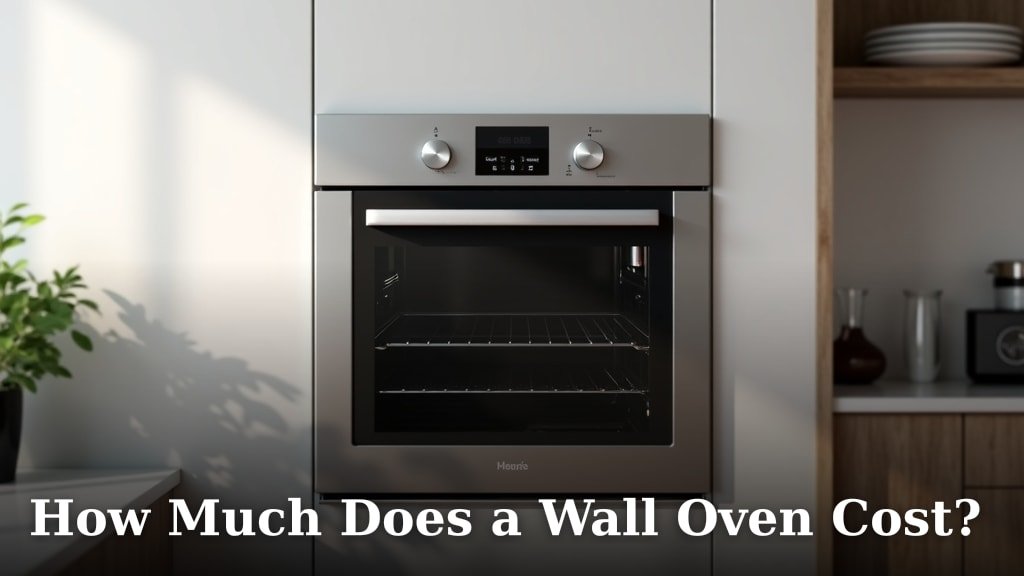
The total project cost includes more than the appliance. How Much Does a Wall Oven Cost? can help you think through the oven, cabinet work, electrical work, and installation budget.
Can a wall oven plug into an outlet safely?
Yes, but only when the exact wall oven allows a plug connection and the outlet, circuit, grounding, and location all match its instructions. If the oven requires hardwiring, use an approved junction-box connection instead of adding an adapter or extension cord.
Pick a cord-and-plug model when the manual approves it and the receptacle can be installed in the required location. Pick a hardwired installation when the oven is supplied for direct connection, then have the circuit checked before the oven is secured in the cabinet.
Frequently asked questions
Can a wall oven plug into a regular outlet?
Sometimes, but not always. A small wall oven may use a cord and plug, while many full-size electric wall ovens require a dedicated circuit and hardwired connection.
Check the exact installation instructions for voltage, amperage, wire size, junction-box location, and grounding before choosing an outlet.
Do wall ovens come with a power cord?
Some wall ovens include a cord, while others are supplied for direct wiring or require a separate approved connection method. Never assume a cord is included because the oven is electric.
Confirm the installation parts and electrical requirements for the exact model before the cabinet is prepared.
Can I install a wall oven myself?
You may be able to handle cabinet preparation, but electrical connections should follow the manual and local rules. A licensed electrician can confirm the circuit, grounding, disconnect method, and junction box before power is connected.
Turn off the circuit at the breaker before any inspection.
Does a wall oven need its own circuit?
Many electric wall ovens need a dedicated circuit because their heating load is higher than a small countertop appliance. The required circuit depends on the model's voltage and rated load.
Do not share the circuit with another appliance unless the installation instructions and local code allow it.