
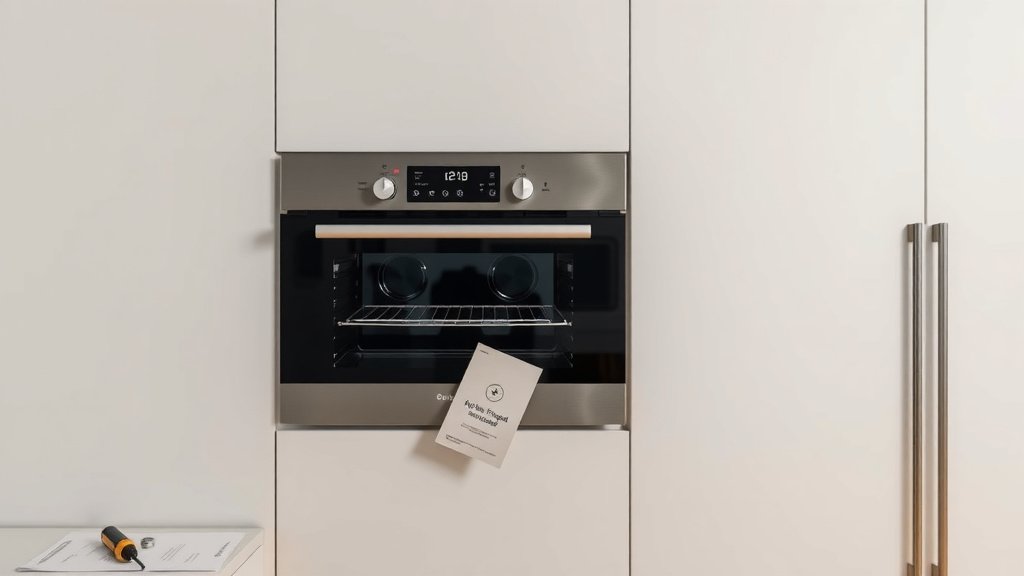
To replace a single wall oven, you generally need to disconnect the power, unfasten and carefully slide out the old unit, then prepare the electrical connection for the new oven before installing and securing it into the cabinet opening.
This process requires careful attention to electrical safety and proper measurements to ensure a seamless fit for your new appliance.
- Always disconnect power before touching wiring.
- Measure your existing oven and cabinet opening precisely.
- Match your new oven’s electrical requirements to your home’s setup.
- Have a helper ready; ovens are heavy.
- Test the new oven thoroughly after installation.
How To Replace A Single Wall Oven?
Replacing a single wall oven might seem like a daunting task, but with the right preparation and steps, it’s a project many homeowners can handle. You’re essentially swapping out one appliance for another, often to upgrade features or fix a broken unit.
Why Are You Replacing Your Oven?
Are you tired of uneven baking? Perhaps your current oven isn’t heating properly, or maybe you just want a sleek, modern upgrade for your kitchen. Whatever your reason, understanding the “why” helps you choose the perfect replacement.
When Is It Time for a New Oven?
Many experts say an oven’s typical lifespan is about 10-15 years. If yours is older, frequently needs repairs, or shows signs like sparking or peculiar smells, it might be time. Research often connects these issues to aging components (Consumer Reports).
Safety First: Disconnecting Power
Before you even think about touching your oven, you must disconnect its power. This isn’t just a suggestion; it’s a critical safety step. Skipping this could result in serious electrical shock or damage to your home.
- Turn off the circuit breaker that controls your oven. It’s usually a double-pole breaker marked for the kitchen or oven.
- Double-check the oven is truly off. Try turning it on; if nothing happens, you’re good.
- Wear insulated gloves if you feel more comfortable, especially when handling wires.
- Never work with live electricity. Your safety is
paramount.
Measurements Matter: Before You Buy
This is where many people run into trouble. An oven that doesn’t fit is a big headache. You need precise measurements of your existing oven and the cabinet opening.
Measure the width, height, and depth of your current oven. Then, measure the actual opening in your cabinet. We found that cabinet openings sometimes differ slightly from oven dimensions, so double-check both.
Matching Electrical Requirements
Wall ovens typically run on 240 volts and require a dedicated circuit. Check the data plate on your old oven for its amperage. Your new oven should match these specifications, or you might need an electrician to upgrade your wiring. Many guidelines point to checking your home’s existing circuit before purchase (National Electric Code).
Gather Your Tools and Materials
Having everything ready beforehand makes the job smoother. You don’t want to be halfway through and realize you need a specific tool. Here’s what you’ll generally need:
| Item | Purpose |
|---|---|
| Screwdriver Set | Removing mounting screws, terminal plate cover. |
| Wire Strippers | Exposing wire ends for connection. |
| Wire Nuts | Securing electrical connections. |
| Voltage Tester | Confirming power is off (essential!). |
| Work Gloves | Protecting your hands. |
| Dolly or Moving Straps | Assisting with heavy lifting. |
| Helper | For lifting the heavy oven (strongly recommended). |
Step-by-Step Replacement Guide
Ready to tackle this project? Let’s walk through each step, keeping safety and precision in mind. Think of it like a puzzle; each piece fits together.
1. Prepare the Work Area
Clear everything around the oven cabinet. Lay down drop cloths or old blankets to protect your floor. You’ll be sliding a heavy appliance, so give yourself plenty of space.
2. Remove the Old Oven
First, open the oven door and remove any racks. You’ll likely find mounting screws securing the oven to the cabinet frame. Unscrew these. Carefully slide the oven forward a few inches. This is where a helper is
really useful
for support.
Once you can access the back, disconnect the electrical wiring. You’ll usually see a junction box or wire nuts connecting the oven’s wires to your home’s supply. Unscrew the wire nuts and separate the wires. Now, gently slide the old oven completely out and move it aside.
3. Inspect the Cabinet and Wiring
Take this moment to clean the cabinet interior. Check the electrical wiring for any signs of damage or wear. If you see frayed wires or burnt insulation, it’s wise to consult an electrician before proceeding (Electrical Safety Foundation International).
4. Connect the New Oven’s Wiring
Carefully read your new oven’s installation manual. The wiring usually involves connecting the oven’s black wire to your home’s black wire, red to red, and the bare copper (ground) wire to the bare copper or green ground wire. Use new wire nuts and ensure connections are tight and secure. Some ovens have specific terminal blocks; follow their instructions precisely.
5. Slide the New Oven Into Place
With your helper, carefully lift the new oven and guide it into the cabinet opening. As you push it back, ensure the wiring doesn’t get pinched. Don’t force it; if it’s tight, recheck your measurements.
6. Secure the Oven
Once the oven is fully seated in the cabinet, open the door. You’ll find new mounting holes where you can secure the oven to the cabinet frame with screws. This prevents the oven from tipping forward when you open its door.
7. Restore Power and Test
Go back to your circuit breaker panel and switch the oven’s breaker back on. Return to your kitchen and test the new oven. Turn it on, check if the lights work, and ensure it starts heating. Listen for any unusual noises. Many manufacturers suggest running your new oven empty for 30 minutes to burn off any manufacturing oils.
Pre-Installation Checklist
- Verify oven dimensions match cabinet opening.
- Confirm electrical requirements (voltage/amperage) are compatible.
- Unpack the new oven and check for any shipping damage.
- Read the new oven’s installation manual thoroughly.
- Gather all necessary tools and materials.
- Ensure you have a helper available for lifting.
Common Mistakes to Avoid
One common mistake is underestimating the weight of an oven; always have help! Another is neglecting to turn off the power at the breaker. Forgetting to verify electrical compatibility is also a frequent issue, leading to tripped breakers or worse. Always remember to secure the oven to the cabinet to prevent tipping.
When to Call a Professional
If you encounter wiring that looks unfamiliar, if your new oven’s electrical needs differ from your existing setup, or if you simply feel uncomfortable at any point, don’t hesitate. Calling a licensed electrician or appliance installer is a smart move. Your peace of mind and safety are worth the investment.
Conclusion
Replacing a single wall oven can be a rewarding DIY project, saving you money and giving your kitchen a fresh update. By following these steps carefully, prioritizing safety, and double-checking your measurements and connections, you’ll likely find the process manageable. Remember, patience and precision are your best tools here. Soon, you’ll be enjoying perfectly cooked meals in your brand-new oven, feeling proud of your accomplishment!
What tools do I need to replace a wall oven?
You’ll generally need a screwdriver set, wire strippers, wire nuts, a voltage tester, and work gloves. A dolly or moving straps are also very helpful for moving the heavy appliance, and a helper is essential for safe lifting.
Can I replace a gas wall oven with an electric one?
Replacing a gas wall oven with an electric one is more complex than a direct swap. It requires a new dedicated 240-volt electrical circuit, which often means hiring an electrician. You would also need to cap off the gas line properly.
How do I know if my new oven will fit?
Measure the width, height, and depth of your existing oven and the exact cabinet opening. Compare these measurements with the specifications of your new oven. Pay close attention to cutout dimensions listed by the manufacturer.
Is it safe to install an electric wall oven myself?
Installing an electric wall oven yourself can be safe if you’re comfortable working with basic electrical connections, follow all safety precautions (especially disconnecting power), and adhere strictly to the manufacturer’s installation instructions. If unsure, call a professional.
What should I do if my new oven isn’t heating after installation?
First, check that the circuit breaker is fully engaged. Then, verify that the electrical connections at the back of the oven are secure and properly wired according to the manual. If issues persist, there might be a wiring problem or a fault with the oven itself, and professional help is recommended.
