
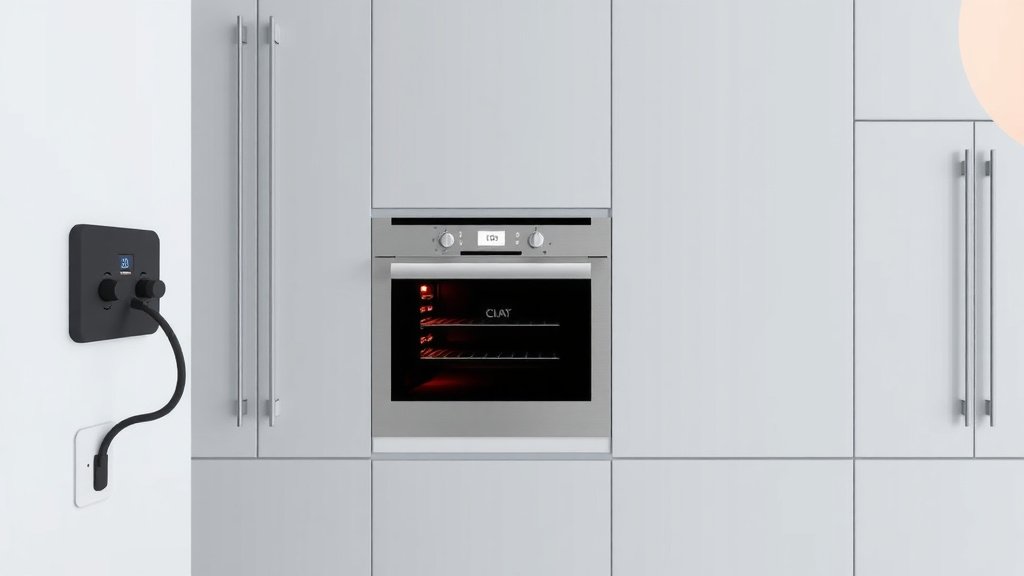
Yes, a single wall oven almost always needs its own dedicated circuit. This is crucial for both safety and optimal performance.
Connecting a wall oven to a shared circuit can lead to dangerous overloads and prevent your oven from heating correctly.
- Most single wall ovens require a dedicated 240-volt circuit.
- This circuit should be properly sized for the oven’s specific wattage and amperage.
- Sharing a circuit with other appliances risks frequent breaker trips and potential fire hazards.
- Consulting a qualified electrician is highly recommended for proper installation and safety.
Does A Single Wall Oven Need Its Own Circuit?
Yes, a single wall oven definitely needs its own dedicated electrical circuit. This isn’t just a suggestion; it’s a fundamental safety requirement. Experts across the electrical field consistently advise this to ensure your home’s electrical system can handle the oven’s significant power demands without issues.
Understanding Your Oven’s Power Needs
Imagine your oven as a hungry power beast. Electric wall ovens typically operate on 240 volts, unlike smaller appliances that use 120 volts. They also draw a high amount of amperage, often ranging from 20 to 50 amps depending on their power rating (wattage). This power consumption is substantial.
Think of it like a highway. A single wall oven needs its own dedicated lane to move its power smoothly. If it has to share, things get crowded, slow, and potentially dangerous. We found that the manufacturer’s label on your oven will specify its exact voltage and amperage requirements (UL Standard 858).
The Dangers of Shared Circuits
What happens if your oven shares a circuit? Picture a juggler trying to handle too many balls. The circuit becomes overloaded, causing the circuit breaker to trip repeatedly. This is annoying, but more importantly, it’s a warning sign of danger. Overheating wires are a real fire risk when circuits are consistently overloaded.
Beyond safety, sharing a circuit can also impact your oven’s performance. It might not reach or maintain desired temperatures, leading to uneven cooking. This means your perfectly planned meal could turn into a kitchen nightmare, all because of an insufficient power supply.
What if My Current Circuit Isn’t Enough?
If you discover your current circuit can’t handle your new single wall oven, you’ll need an upgrade. This isn’t a DIY project. Electrical work, especially with high-voltage appliances, requires a licensed professional. Many experts say that trying to do this yourself could lead to serious injury or fire (National Electrical Code).
An electrician will assess your home’s electrical panel, wiring, and local codes. They can install a new dedicated circuit with the correct breaker size and wiring gauge. This ensures your oven runs safely and efficiently, giving you peace of mind and perfectly baked goods.
Dedicated Circuit vs. Shared Circuit: A Quick Look
Let’s break down the core differences simply. Understanding these points helps you make a better decision for your home. It’s all about safety and performance.
| Feature | Dedicated Circuit | Shared Circuit |
|---|---|---|
| Power Delivery | Consistent, full power | Intermittent, fluctuating power |
| Safety | High; minimal overload risk | Low; high overload & fire risk |
| Performance | Optimal; even heating | Poor; uneven cooking, slow preheat |
| Breaker Trips | Rare | Frequent and annoying |
| Installation | Professional required | Potentially dangerous DIY temptation |
Key Factors Determining Circuit Size
When an electrician installs your oven’s dedicated circuit, they look at several factors. The oven’s wattage is paramount. A higher wattage oven needs a larger amperage circuit. For instance, a 5000-watt oven at 240 volts needs around a 20-21 amp circuit, typically rounded up to a 30-amp breaker.
Local electrical codes also play a big part. These codes ensure installations meet minimum safety standards for your area. Future-proofing is another consideration; while your current oven might fit one size, thinking about future appliance upgrades can sometimes influence the choice, though it’s best to match current needs.
Reading Your Oven’s Label
Before you do anything, locate the data plate on your new oven. It’s usually on the door jamb, back, or inside the storage drawer. This label provides all the critical electrical specifications: voltage, total wattage, and required amperage. Write these numbers down. They are your electrician’s roadmap.
The Installation Process: What to Expect
When your electrician comes, they will likely start by locating your electrical panel. They’ll need to install a new circuit breaker of the correct amperage. Then, they’ll run new wiring from the panel directly to the oven’s location. This wiring must be the correct gauge to handle the load.
Many jurisdictions require permits for this type of electrical work. This ensures that the installation is inspected and meets all safety standards. Don’t skip this step; it protects you and ensures your home’s insurance remains valid. We found that local authorities like your city’s building department can tell you about permit requirements.
Can You DIY This?
Let’s be crystal clear: **no, you should not DIY a new oven circuit installation**. Electrical work, particularly high-voltage wiring, is incredibly dangerous if you lack the proper training and tools. The Consumer Product Safety Commission consistently advises caution with any home electrical modifications. An error could cause property damage, severe injury, or even death. Always hire a licensed electrician for this type of job.
What About Gas Wall Ovens?
Gas wall ovens use gas for heating, but they still need electricity. This power runs the oven’s igniter, lights, and any internal fans or electronic controls. These electrical components typically require a 120-volt circuit, drawing much less amperage than an electric oven. However, many experts still suggest a dedicated 15-amp, 120-volt circuit for a gas wall oven too, for optimal performance and to avoid nuisance trips.
While a gas oven’s electrical demands are smaller, avoiding sharing with high-draw kitchen appliances like microwaves or blenders is a good practice. This simple step helps keep things running smoothly. You want your kitchen to be a place of culinary joy, not electrical frustration!
Checklist Before Oven Installation
Here’s a quick list to help you prepare before your new oven arrives:
- Verify your home’s main electrical panel capacity.
- Locate the electrical specifications on your new oven’s data plate.
- Consult a licensed electrician for circuit sizing and installation.
- Confirm if local permits are needed for electrical work.
- Ensure the oven’s rough opening dimensions match your cabinet.
Conclusion
In summary, a single wall oven nearly always requires its own dedicated electrical circuit. This isn’t an arbitrary rule; it’s a foundational element for ensuring your home’s safety and your oven’s efficient operation. By understanding your oven’s power needs and trusting professional electricians, you avoid risks like overloaded circuits, fire hazards, and poor cooking performance. Investing in a proper dedicated circuit is an investment in your home’s safety and your culinary success. Always prioritize safety first when dealing with high-power kitchen appliances.
What size breaker do I need for a single wall oven?
The breaker size for a single wall oven depends entirely on the oven’s specific amperage rating, found on its data plate. Most electric wall ovens require a 20-amp to 50-amp double-pole breaker, operating at 240 volts. An electrician will match the breaker size to your oven’s needs and the wire gauge.
Can a single wall oven share a circuit with a microwave?
No, a single electric wall oven should absolutely not share a circuit with a microwave or any other major appliance. Both draw significant power, and sharing a circuit would almost certainly lead to frequent overloads, tripped breakers, and potential safety risks. Even gas ovens are better off with their own small circuit for their electrical components.
Is it okay to use an extension cord for a wall oven?
Never use an extension cord with a wall oven. Extension cords are not designed to handle the high, continuous electrical load of an oven. Doing so creates an extreme fire hazard due to overheating and can damage your oven or electrical system. Ovens must be hardwired or plugged directly into a properly installed dedicated outlet.
How can I tell if my existing circuit is dedicated?
To check if your circuit is dedicated, you can try turning off individual breakers in your electrical panel. If only your oven loses power when you switch off a particular breaker, it likely has a dedicated circuit. However, for a definitive answer and peace of mind, it is best to consult with a qualified electrician who can properly test the circuit.
What is the difference between a 120-volt and a 240-volt circuit for ovens?
A 120-volt circuit is a standard household outlet typically used for smaller appliances like microwaves, toasters, and gas oven igniters. A 240-volt circuit (also called a 240V circuit or a double-pole circuit) provides higher power and is required for larger electric appliances, such as electric wall ovens, ranges, and clothes dryers, allowing them to heat up and function correctly.
