
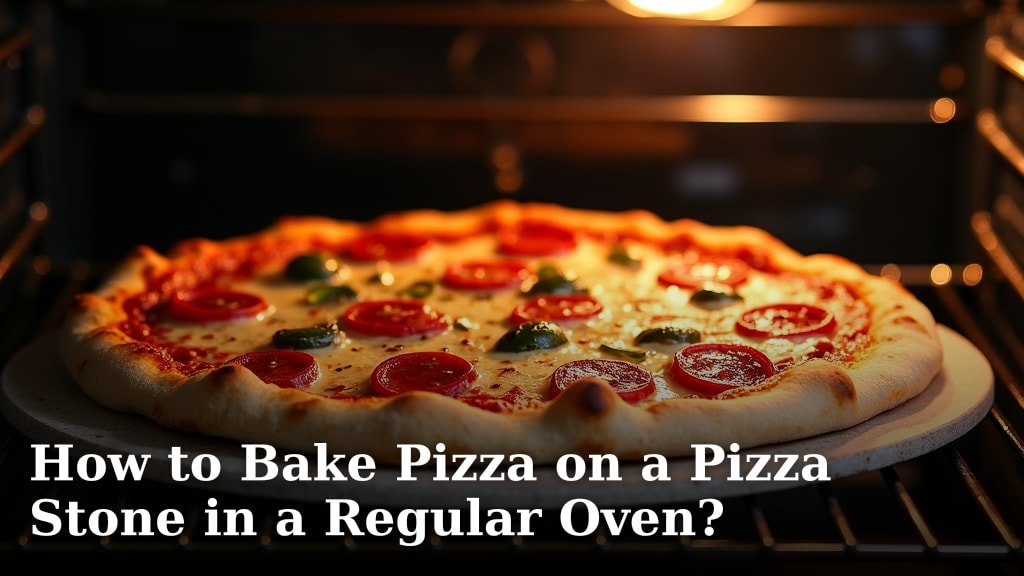
To bake pizza on a pizza stone in a regular oven, you need to preheat your oven and the stone to a high temperature, ideally 500-550°F, for at least 30-60 minutes. This creates a super hot surface that mimics a brick oven, giving you a crispy crust.
You want that perfect crust, right? We all do. Using a pizza stone helps transfer intense heat directly to the dough, so your pizza cooks quickly and evenly. It’s how you get that delicious restaurant-quality pizza at home.
TL;DR:
- Preheat your oven and pizza stone to maximum temperature.
- Launch your pizza onto the hot stone.
- Bake until crust is golden and cheese is bubbly.
- Remove, slice, and enjoy your delicious pizza.
Ready to turn your kitchen into a pizzeria? Let’s walk through exactly how to bake pizza on a pizza stone in a regular oven, step by step.
Setting Up Your Oven for Pizza Perfection
Achieving that perfect, crispy pizza crust at home starts with your oven. It’s not just about turning it on; it’s about creating the right environment.
Choosing the Right Temperature
The first rule of great homemade pizza is heat, and lots of it. We found that the hotter, the better. You want to aim for your oven’s maximum temperature. For most home ovens, this means 500°F (260°C) to 550°F (287°C) (Culinary Institute of America).
Why so hot? High heat cooks the pizza quickly. This rapid cooking prevents the crust from drying out while ensuring the toppings cook evenly. It’s how you get that slightly charred, bubbly crust you love from your favorite pizzeria.
Preheating Your Pizza Stone
The pizza stone isn’t just a fancy plate; it’s a heat reservoir. It needs to get just as hot as your oven. We consistently found that preheating your stone for at least 30-60 minutes is essential.
Position your pizza stone on the middle or upper-middle rack of your cold oven. This placement helps ensure even cooking. Then, turn your oven to its highest setting and let both the oven and the stone heat up together. Resist the urge to rush this step – patience is key here! For those with smaller kitchens, our guide on using a pizza stone in a toaster oven offers alternative solutions.
Prepping Your Pizza Dough and Toppings
While your oven and stone are heating, it’s time to get your pizza ready. This stage is where you build your masterpiece.
Working with Pizza Dough
Whether you’re using store-bought or homemade dough, proper handling makes all the difference. We’ve seen that dough that’s too cold is hard to work with. Let your dough come to room temperature for about 30-60 minutes before you start.
Flour your work surface and your hands generously. This prevents sticking, which can quickly turn frustrating. Gently stretch or roll your dough into your desired shape. Aim for a thickness that’s neither too thin (it might tear) nor too thick (it won’t cook as evenly).
The Art of Topping Your Pizza
Less is often more when it comes to pizza toppings. Overloading your pizza can lead to a soggy crust or uneven cooking. Think about balance and flavor.
- Sauce: Apply a thin, even layer. Too much sauce can make your pizza wet.
- Cheese: Spread your cheese evenly, right to the edges if you like a crispy crust. Freshly shredded cheese often melts better than pre-shredded.
- Other Toppings: Distribute vegetables, meats, and other ingredients sparingly. Consider pre-cooking some vegetables, like mushrooms or onions, to remove excess moisture.
The Peel Advantage: Preparing for Launch
A pizza peel is your best friend when baking on a stone. It helps you transfer your pizza into and out of the oven. If you don’t have one, a flat baking sheet with no edges can work in a pinch.
Dust your pizza peel generously with semolina flour or cornmeal. These act like tiny ball bearings, allowing your pizza to slide easily onto the hot stone. Once your dough is on the peel, quickly add your sauce and toppings. Work fast so the dough doesn’t absorb too much moisture and stick to the peel.
The Moment of Truth: Baking Your Pizza
This is where all your preparation pays off. Transferring the pizza and watching it cook is incredibly satisfying.
Transferring to the Hot Stone
Carefully open your oven door. With a swift, confident motion, slide your pizza from the peel onto the preheated pizza stone. Don’t be afraid! A quick push and a gentle pull of the peel should do the trick. If you hesitate, the pizza might stick.
Close the oven door quickly to keep the heat inside. You’ve just successfully launched your pizza onto its hot, crispy destiny!
Baking Time and Monitoring
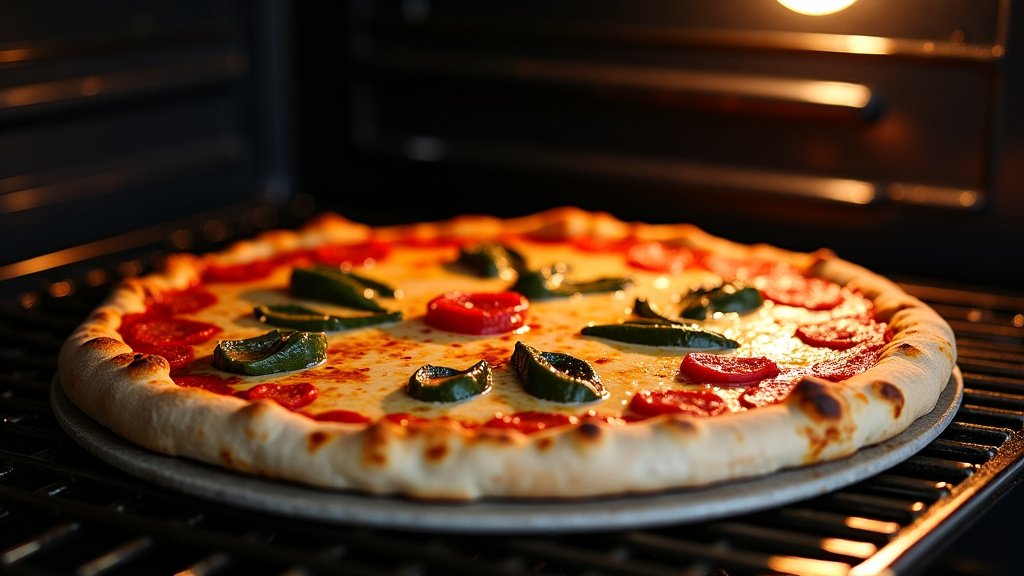
Baking time can vary based on your oven and topping choices, but generally, expect your pizza to bake for 8-15 minutes. Keep a close eye on it, especially after the 8-minute mark.
Look for a golden-brown crust, bubbly cheese, and slightly charred edges. If one side is cooking faster than the other, you can carefully rotate the pizza halfway through using the peel.
Achieving That Perfect Golden Crust
The crust is often the star of the show. A pizza stone directly transfers intense heat, creating a phenomenal bottom crust. Some ovens also have a broiler setting that can help the top cook.
Broiler Boost (Optional)
If your crust looks perfect but your toppings or cheese need a little more browning, you can use your broiler for the last minute or two. We found that this trick can give your pizza a beautiful, slightly blistered top.
Watch it like a hawk – broilers can go from perfect to burnt in seconds! Keep the oven door slightly ajar if your oven requires it for broiler use.
Removing, Cooling, and Slicing
Your pizza is cooked! Now for the final steps before you can enjoy your delicious creation.
Safely Removing Your Pizza
Use your pizza peel to carefully slide the cooked pizza off the hot stone and onto a cutting board or cooling rack. Be mindful that the stone is still incredibly hot.
The Importance of Resting Your Pizza
We know it’s tempting to slice right away, but giving your pizza a quick rest makes a difference. Let it sit for 2-5 minutes. This allows the cheese to set and the juices to redistribute, preventing a messy slice.
Slicing and Serving
Use a sharp pizza cutter or a large chef’s knife to slice your pizza. Serve immediately and enjoy the fruits of your labor!
Quick Checklist for Pizza Success
To recap, here’s a handy checklist to ensure your homemade pizza turns out perfectly:
- Preheat oven and pizza stone to max temperature (500-550°F) for 30-60 minutes.
- Let dough come to room temperature and prepare your peel with semolina/cornmeal.
- Top your pizza judiciously, avoiding overload.
- Launch pizza confidently onto the hot stone.
- Bake until crust is golden and cheese is bubbly (8-15 minutes).
- Rest pizza for a few minutes before slicing and serving.
Troubleshooting Common Pizza Stone Issues
Even with the best intentions, things can go awry. Don’t worry, we’ve all been there!
Pizza Sticking to the Peel
This is a common frustration. It usually happens if you don’t use enough semolina/cornmeal on your peel, or if you take too long to top the pizza. The dough absorbs moisture and becomes sticky.
The Fix: Be generous with the semolina/cornmeal. Work quickly when topping your pizza. If it feels like it’s sticking, lift an edge and blow a puff of air underneath to help it release.
Bottom Crust Not Crispy Enough
A soft or pale bottom crust usually means your pizza stone wasn’t hot enough, or didn’t preheat long enough. The stone needs to store a lot of heat to transfer quickly to the dough.
The Fix: Ensure you preheat your oven and stone for the full 30-60 minutes. Some experts suggest placing the stone on the lowest rack for a super crispy bottom, though the middle rack works well for most.
Toppings Overcooked, Crust Undercooked
This imbalance can happen if your oven temperature isn’t consistent, or if your toppings are too thick or wet. Your crust might be struggling to catch up. If you suspect your oven temperature isn’t consistent, our guide on how to fix an oven that is not heating can help diagnose the problem.
The Fix: Reduce the amount of wet toppings. Consider pre-cooking some vegetables. You can also try moving the pizza to a slightly lower rack position if your oven has hot spots at the top. Some ovens cook better with the pizza stone on the bottom rack (USDA).
Caring for Your Pizza Stone
Your pizza stone is a valuable tool. Proper care will ensure it lasts for many delicious pizzas to come.
Cleaning Your Pizza Stone
Never use soap on your pizza stone! It’s porous and will absorb the soap, leaving an unpleasant taste on future pizzas. We found that simple methods work best.
Once the stone has completely cooled (which can take several hours), scrape off any baked-on food with a stiff brush or a metal spatula. For stubborn spots, you can make a paste of baking soda and water, apply it, let it sit, and then scrape it off. Rinse with plain water only and let it air dry completely before storing.
Seasoning Your Pizza Stone (No, Not Like a Skillet)
Unlike cast iron, pizza stones don’t typically need “seasoning” with oil. In fact, oil can cause smoke and a burnt residue. Over time, your stone will naturally darken and develop its own non-stick properties from baked-on residue. This darkening is a good thing – it’s a sign of a well-used stone!
Conclusion
Baking pizza on a pizza stone in your regular oven truly elevates your homemade pizza game. You’ve seen how a few simple steps—like proper preheating, judicious topping, and a confident launch—can transform your kitchen into a pizzeria.
We’ve found that patience and attention to detail are your best allies. From achieving that perfect crispy crust to troubleshooting common issues, you now have the tools for success.
Now, go forth and bake! Your next delicious, restaurant-quality pizza is just an oven preheat away. Enjoy the amazing results of your efforts.
Frequently Asked Questions
Can I use parchment paper on a pizza stone?
It’s generally not recommended to use parchment paper directly on a hot pizza stone. Most parchment paper is safe up to 420-450°F, but pizza stones are preheated to much higher temperatures (500-550°F). This could cause the parchment paper to burn or catch fire.
How do I prevent my pizza stone from cracking?
The main cause of cracking is thermal shock. Always place your pizza stone in a cold oven and let it heat up gradually with the oven. Also, ensure the stone is completely cooled before cleaning or exposing it to water. Rapid temperature changes can cause it to break.
Do I need to oil my pizza stone?
No, you should never oil a pizza stone. Unlike cast iron, pizza stones are porous and will absorb the oil, which can then burn and create smoke or an unpleasant odor. The stone will naturally develop a non-stick surface over time with use.
Can I use a pizza steel instead of a pizza stone?
Absolutely! Pizza steels are an excellent alternative. They heat up faster and retain heat even better than most stones, often resulting in an even crispier crust. The baking process and temperature recommendations are similar for both.
My pizza always sticks to the stone. What am I doing wrong?
Pizza sticking is often due to insufficient preheating of the stone, or not using enough semolina flour or cornmeal on your pizza peel. Make sure your stone is super hot, and don’t be shy with the “ball bearings” on the peel before loading your pizza.
