
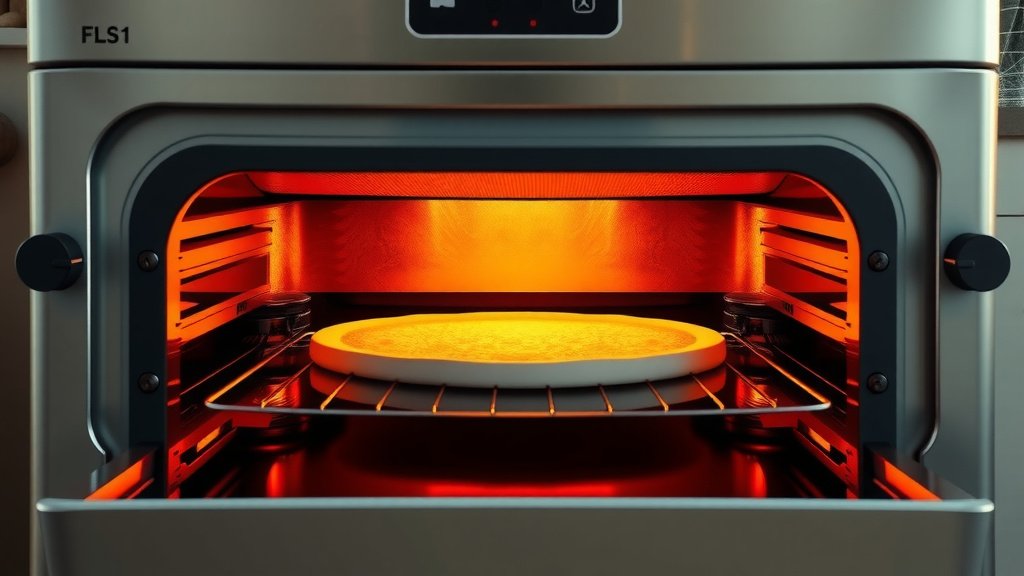
Yes, you absolutely can use a pizza stone in an electric oven to achieve delicious, crispy crusts.
Many home cooks find that a pizza stone significantly improves the quality of homemade pizza, even in standard electric models.
Here’s a quick overview of what you’ll learn:
- Electric ovens pair well with pizza stones for better crusts.
- Preheating your stone is the absolute key to success.
- Choose a stone that fits your oven’s dimensions perfectly.
- Cleaning a pizza stone requires a specific, gentle approach.
- You can enjoy authentic pizzeria-style pizza right at home.
Can You Use A Pizza Stone In Electric Oven?
Yes, you can confidently use a pizza stone in your electric oven to make fantastic pizzas with a perfectly crisp crust. It genuinely makes a world of difference!
Why Bother with a Pizza Stone in an Electric Oven?
You might be asking, “Does it truly make that big of a difference?” Oh, it certainly does! A pizza stone acts like a thermal battery in your oven, soaking up and radiating intense, consistent heat.
Electric ovens can sometimes be inconsistent with heat distribution, especially at the bottom. A preheated stone evens this out, giving your pizza crust that desirable crunch (Many experts confirm this). Say goodbye to soggy middles!
How Electric Ovens and Pizza Stones Team Up
Electric ovens typically use heating elements at the top and bottom. When you place a pizza stone on a rack, it becomes part of this system. As the oven heats, the stone absorbs that energy.
It gets incredibly hot, much hotter and more stable than the ambient oven air. When you slide your pizza onto it, the stone’s direct, powerful contact instantly starts to bake the crust. This rapid heat transfer is precisely what creates an authentic, crispy base.
Picking the Perfect Pizza Stone for Your Oven
Not all stones are created equal, and size truly matters! You need a stone that fits your oven rack without touching the sides, allowing proper air circulation. We found ceramic and cordierite stones are popular choices.
Cordierite stones are often recommended because they handle rapid temperature changes well. This means they are less likely to crack from thermal shock, which is a common concern (Consumer Reports).
The Golden Rule: Preheating Your Pizza Stone
This step is absolutely critical! For your pizza stone to work its magic, it needs to be screaming hot. Place your cold stone in a cold oven on the middle or lower rack.
Then, set your oven to its highest temperature, typically 500-550°F (260-290°C). Let it preheat for at least 45 minutes to an hour. We found this extended preheat allows the stone to fully absorb and stabilize its heat, making it ready for action.
Getting Your Pizza onto the Hot Stone Safely
Using a pizza peel generously dusted with semolina flour or cornmeal is your secret weapon here. This dusting helps the pizza slide off smoothly onto the stone. You might want to practice a few dry runs first; it’s like a small culinary magic trick!
Quick movements are essential. The less time your oven door is open, the better the heat retention inside. A swift, confident slide ensures minimal heat loss and a fast, even bake.
Monitoring Your Pizza: What to Look For
Cooking times will vary based on your specific dough, toppings, and oven. Generally, pizzas cook on a preheated stone in an electric oven in about 5-10 minutes. Keep a close eye on it through the oven door!
You’re looking for a bubbly, golden-brown crust and melted, slightly caramelized cheese. The edges should be nicely charred, but not burnt. A quick peek with your oven light often helps you decide when it’s just right.
Cleaning Your Pizza Stone: A Simple Ritual
Cleaning a pizza stone is easier than you might imagine. First, always let it cool completely inside the oven. Never plunge a hot stone into cold water; this sudden change could cause it to crack.
Once cool, scrape off any baked-on food with a spatula or a stiff brush. For tougher spots, a damp cloth is usually sufficient. It’s vital to avoid soap entirely, as it can soak into the porous stone and impart unwanted flavors to future pizzas (Many stone manufacturers advise this).
- Always let the stone cool down fully inside the oven.
- Scrape off food debris gently with a spatula.
- Use a damp cloth for any stubborn marks or stains.
- NEVER use soap, detergents, or abrasive cleaners.
- Dry the stone completely before storing it away.
Troubleshooting Common Pizza Stone Issues
Sometimes, things don’t go perfectly, and that’s part of the fun of home cooking! If your crust isn’t crispy, you probably need a longer preheat. If your pizza sticks, try more flour on the peel next time.
Cracking can occur, especially with sudden temperature changes. Always preheat your stone from a cold oven. Most common problems have simple, understandable fixes once you get the hang of it.
Pizza Stone vs. Pizza Steel: What’s the Difference?
You’ve probably heard about pizza steels too, right? They function similarly but have some key differences. Steels typically heat up faster and retain heat even better than traditional stones.
However, steels are also heavier and often more expensive upfront. Stones are generally more affordable and still deliver excellent results, creating that beloved crispy crust. It’s often a matter of personal preference and budget when choosing between them.
| Feature | Pizza Stone | Pizza Steel |
|---|---|---|
| Heat Absorption | Good, but slower | Excellent, very fast |
| Heat Retention | Very good | Superior, holds heat longer |
| Crispiness | Excellent | Outstanding (often crispier) |
| Weight | Moderate | Heavy |
| Cost | More affordable | Generally more expensive |
| Durability | Can crack with thermal shock | Extremely durable, nearly indestructible |
Maximizing Your Pizza Stone Experience: A Checklist
Ready to make your best pizza yet? Here’s a quick checklist to guide you towards perfect results:
- Choose the right stone size to fit comfortably in your oven.
- Always preheat the stone in a cold oven for 45-60 minutes at max temperature.
- Use a well-floured pizza peel for smooth, easy pizza transfer.
- Keep the oven door open for the absolute minimal time during pizza transfer.
- Monitor your pizza closely for ideal doneness and browning.
- Allow the stone to cool completely inside the oven before any cleaning.
- Avoid harsh soaps; clean with a scraper and a damp cloth only.
Safety First: Handling Your Hot Pizza Stone
Remember, a hot pizza stone is extremely hot and holds heat for a long time. Always use thick oven mitts, and be very careful when handling it. Avoid touching it directly or placing it on surfaces that aren’t heat-resistant, like countertops without trivets.
Children and pets should always be kept away from a hot oven and stone. Safety in the kitchen is paramount, especially when you are dealing with such high temperatures and heat-retaining objects.
Experimenting with Different Crusts and Toppings
Your pizza stone isn’t just for classic Neapolitan-style pizza! We found it works wonderfully for other baked goods too. Try baking artisan bread, flatbreads, or even some rustic crackers directly on it for a fantastic crust.
Don’t be afraid to experiment with your dough recipes and topping combinations. The stone provides a versatile and excellent baking surface for many culinary adventures. What delicious creation will you bake next?
Conclusion
Using a pizza stone in your electric oven is not only entirely possible but also a fantastic way to significantly elevate your homemade pizza game. By understanding how the stone works and diligently following a few simple steps, you can consistently achieve that sought-after crispy crust right in your own kitchen.
It truly brings a slice of pizzeria quality and flavor to your home, making every pizza night a special and delicious occasion. So go ahead, dust off that pizza stone (or get a new one!) and start baking. You’ll be incredibly glad you did!
Can I leave my pizza stone in the electric oven all the time?
Many home cooks do leave their pizza stone in the oven permanently. It can actually help regulate overall oven temperature and provide more even heat distribution for other baked goods. Just be aware that it will likely increase your oven’s initial preheat time a bit, as the stone also needs to heat up.
How do I prevent my pizza from sticking to the stone?
To prevent sticking, ensure your pizza peel is generously dusted with semolina flour or cornmeal before placing the dough. Also, slide your pizza onto the stone quickly and confidently to minimize contact time while the dough is still pliable. If the dough is overly wet, it might stick more easily.
What temperature should I preheat my electric oven for a pizza stone?
You should preheat your electric oven to its highest possible temperature, typically between 500-550°F (260-290°C), with the pizza stone placed inside. Allow it to preheat for at least 45 minutes to an hour. This extended time ensures the stone is fully saturated with the intense heat needed for a crispy crust.
Can I use parchment paper on a pizza stone in an electric oven?
While you can use parchment paper to help transfer your pizza, many experts suggest against baking directly on parchment paper on a super hot stone for the entire bake. Some parchment papers are not rated for such high temperatures and might scorch or burn. For the best crispness, sliding the pizza directly onto the preheated stone is ideal.
How long does a pizza stone last in an electric oven?
With proper care, a good quality pizza stone can last for many years, even a decade or more. Avoiding sudden temperature changes (thermal shock) and never cleaning it with soap are the key factors for its longevity. If a stone cracks, it’s most often due to these care issues, but a well-maintained stone is remarkably durable.
