

No, you do not need a pizza stone for a pizza oven, as most pizza ovens already include a built-in baking surface. These surfaces, often made of cordierite or ceramic, are designed to replicate the stone’s heat retention. So, you can enjoy delicious pizza without an extra purchase.
Many home pizza ovens come equipped with a pizza stone alternative. These built-in surfaces get very hot, creating that desired crispy crust. You’ll find they perform just as well as, if not better than, a separate stone for perfect pizza every time.
- Pizza ovens usually have built-in baking surfaces.
- These surfaces replace the need for a separate pizza stone.
- Materials like cordierite or ceramic are common.
- They help create a crispy pizza crust.
- No extra purchase is typically needed for a good bake.
Let’s walk through exactly why these built-in surfaces are so effective and what you should look for in your pizza oven setup.
Understanding Your Pizza Oven’s Built-In Baking Surface
So, you’re wondering if you need a pizza stone for your pizza oven. The short answer, as we’ve seen, is generally no. Most modern pizza ovens, especially those designed for home use, come with their own integrated baking surface. Think of it as a permanent, high-performance pizza stone already built into the oven’s design.
These surfaces are engineered to mimic the traditional pizza stone’s best qualities. They absorb and retain heat incredibly well. This ensures a crispy crust and an evenly cooked pizza. You don’t have to buy an extra accessory.
The Magic of Cordierite and Ceramic
What are these built-in surfaces made of? You’ll often find materials like cordierite or high-quality ceramic. These are not just any old materials. They are chosen for specific reasons.
Cordierite is a type of ceramic known for its excellent thermal shock resistance. This means it can handle rapid temperature changes without cracking. That’s super important when you’re heating an oven to 900°F or more. Ceramic, in general, is also a fantastic heat conductor and retainer.
These materials ensure that when your dough hits the surface, it gets an immediate burst of heat. This “thermal shock” is key to achieving that perfect, bubbly, slightly charred crust you crave. Without it, your pizza might turn out soft or soggy.
Why These Materials Excel
You might wonder why these materials are so special. It comes down to their molecular structure. They have a low thermal expansion coefficient. This basically means they don’t expand much when heated. Less expansion equals less stress on the material, which reduces the chance of breakage. We found this to be a consistent feature in high-performance pizza oven materials.
They also have high porosity. This helps them absorb moisture from the pizza dough. This absorption is another secret to a super crispy crust. It’s like the surface is gently “drying out” the bottom of your pizza as it cooks.
Comparing a Separate Pizza Stone to Built-In Surfaces
Let’s look at how a separate pizza stone stacks up against the integrated surfaces in your pizza oven. While a standalone pizza stone is excellent for a regular kitchen oven, it’s often redundant for a dedicated pizza oven.
A separate pizza stone requires preheating, just like a built-in one. However, it’s typically thinner. This means it might not retain heat as effectively as a thicker, purpose-built oven floor. Think of it like comparing a small battery to a large, long-lasting one.
Heat Retention and Transfer
The primary job of any pizza baking surface is heat retention and transfer. You want a surface that gets very hot and stays hot. This is critical for cooking pizza in just a few minutes. A separate stone can work, but an oven’s built-in floor is often optimized for extreme temperatures.
When you slide a cold pizza onto a hot surface, the surface temperature drops. A good baking surface recovers its heat quickly. We’ve seen that the thicker, more robust built-in floors tend to have better heat recovery. This means less waiting time between pizzas, which is a big plus when you’re feeding a crowd.
Ease of Use and Maintenance
Consider the practical side. A built-in surface is one less thing to buy, store, and clean. It’s part of the oven. This makes the whole process much simpler. You just fire up your oven, and it’s ready to go.
Separate pizza stones can be heavy and fragile. Dropping one can lead to a broken stone and a ruined dinner. With a built-in surface, you generally don’t have these worries. It’s designed to stay put and handle the rigors of high-heat cooking.
Here’s a quick comparison:
| Feature | Built-In Pizza Oven Surface | Separate Pizza Stone |
|---|---|---|
| Material | Cordierite, ceramic (often thicker) | Cordierite, ceramic, steel (various thicknesses) |
| Heat Retention | Excellent, designed for high temps | Good, but can vary by thickness |
| Thermal Shock Resistance | High, built for oven’s temp range | Good, but some can crack more easily |
| Cost | Included with oven purchase | Additional purchase |
| Storage | None, always in the oven | Needs dedicated storage space |
| Durability | Very durable, part of the oven structure | Can be fragile, prone to cracking if mishandled |
When a Pizza Stone Might Still Be Useful
While a separate pizza stone isn’t typically needed for a dedicated pizza oven, there are a few niche scenarios where it might come in handy. These are not common, but worth mentioning so you have all the information.
As a Replacement Surface
What if your pizza oven’s built-in surface gets damaged? Accidents happen. If the original baking surface cracks or breaks, a high-quality separate pizza stone could serve as a temporary or even permanent replacement. You’d need to find one that fits your oven perfectly. Always check with the oven manufacturer first for official replacement parts.
For Non-Pizza Oven Cooking
If you’re using your pizza oven for something other than pizza, like baking bread or roasting vegetables, a separate stone could offer extra versatility. Some people like to use a baking steel for bread for an even crisper crust. However, this is moving beyond its primary function, so it’s more about If you’re looking for extra versatility in smaller appliances, you might also be interested in whether you can use a pizza stone in a toaster oven.experimentation than necessity.
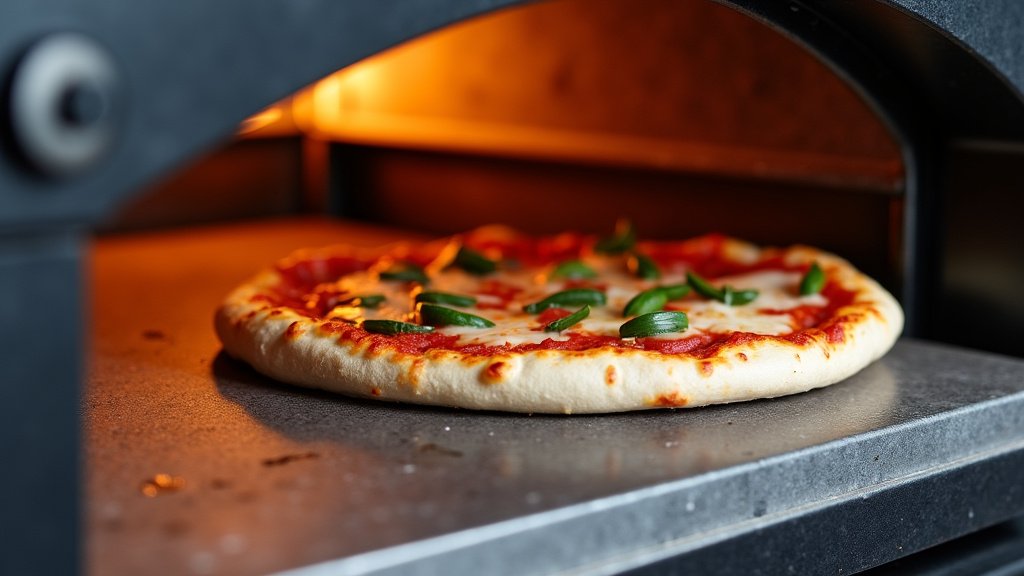
Achieving the Perfect Pizza with Your Oven’s Built-In Surface
You already have a fantastic tool for making pizza. Now, let’s talk about how to get the most out of your oven’s built-in baking surface. It’s all about technique and understanding how your oven works.
Preheating is Key
This is probably the most crucial step. You must allow your pizza oven to fully preheat. This means not just reaching the target air temperature, but also allowing the baking surface itself to get incredibly hot. Many experts say to preheat for at least 20-30 minutes after the oven reaches its stated temperature. Some even recommend longer, up to an hour, especially for the first pizza of the session.
A properly preheated surface is what gives you that blistering, airy crust. It helps the dough cook almost instantly from the bottom up. Don’t rush this step; your patience will be rewarded with delicious results.
Launching Your Pizza
Learning to launch a pizza onto a super-hot surface takes a little practice. You want a quick, confident slide. Use a well-floured pizza peel to prevent sticking. A metal peel often works best for launching, while a wooden peel is great for prep. Keep your movements fluid and decisive.
If your pizza sticks even a little, it can create a mess. Always make sure there’s enough flour or semolina on the peel. A little practice goes a long way. You’ll soon be launching pizzas like a pro, enjoying the convenience of your oven’s ready-to-bake surface.
Maintaining Your Baking Surface
Taking care of your oven’s built-in surface is usually straightforward. For most cordierite or ceramic surfaces, you shouldn’t use soap and water. The porous nature of these materials means they can absorb soap, leading to unpleasant tastes later. Instead, use a stiff brush or scraper to remove any stuck-on food bits after the oven has cooled.
High heat will naturally burn off most residues. So, a good cleaning often involves just running your oven at its highest temperature for a while. This process is called pyrolysis. It cleans the surface without harsh chemicals. This keeps your surface ready for countless future pizzas.
Your Pizza Oven Checklist for Success
To ensure you’re getting the best out of your pizza oven without needing an extra stone, here’s a quick checklist:
- Familiarize yourself with your oven: Read the manual to understand its specific features and recommended preheating times.
- Always preheat thoroughly: Give your built-in surface ample time to reach optimal temperature for that crispy crust.
- Use a reliable pizza peel: A good peel, lightly floured, is essential for smooth transfers.
- Practice your launch: A quick, confident slide prevents sticking and uneven cooking.
- Maintain the baking surface: Scrape off debris and let high heat do most of the cleaning.
- Experiment with dough: Find a dough recipe that complements your oven’s heat and cooking style.
Conclusion
You can breathe a sigh of relief knowing that a separate pizza stone is almost never needed for your dedicated pizza oven. Your oven’s built-in baking surface is designed to deliver that perfect, crispy crust you crave. These surfaces, often made from advanced materials like cordierite, are engineered for high heat and durability. Focus on proper preheating and technique, and you’ll consistently achieve restaurant-quality results. So, go ahead and enjoy your pizza oven experience to the fullest, knowing it already has everything you need.
Frequently Asked Questions
Can I use a pizza stone from a regular oven in my pizza oven?
While you theoretically could, it’s generally not recommended. Your pizza oven’s built-in surface is thicker and designed to withstand much higher temperatures than a standard pizza stone. Using a thinner stone from a regular oven might lead to cracking or uneven cooking due to the extreme heat.
How do I clean the built-in baking surface of my pizza oven?
For most built-in surfaces (cordierite, ceramic), avoid soap and water, as the porous material can absorb chemicals. Instead, use a stiff brush or scraper to remove food debris once the oven has cooled. The oven’s high heat during operation will naturally burn off most residues through a process called pyrolysis.
What is cordierite, and why is it used in pizza ovens?
Cordierite is a type of ceramic known for its excellent thermal shock resistance. This means it can handle rapid and extreme temperature changes without cracking. It also retains and transfers heat very effectively, which is crucial for achieving a perfectly cooked pizza crust in a high-temperature pizza oven.
Will adding a second pizza stone make my pizza cook faster?
No, adding a second pizza stone on top of your built-in surface is unlikely to make your pizza cook faster or better. The built-in surface is already optimized for heat retention and transfer. An additional stone could actually interfere with the oven’s airflow and cooking dynamics, potentially leading to less efficient results.
Is it normal for my pizza oven’s built-in surface to get stained or discolored?
Yes, it is completely normal for your pizza oven’s built-in surface to develop dark stains or discoloration over time. This is a natural result of exposure to high heat and small amounts of food residue burning off. These marks are purely cosmetic and do not affect the stone’s performance or the taste of your pizza.
