What Is the Best Oven Type for Baking Cakes?
On this page (3 sections)
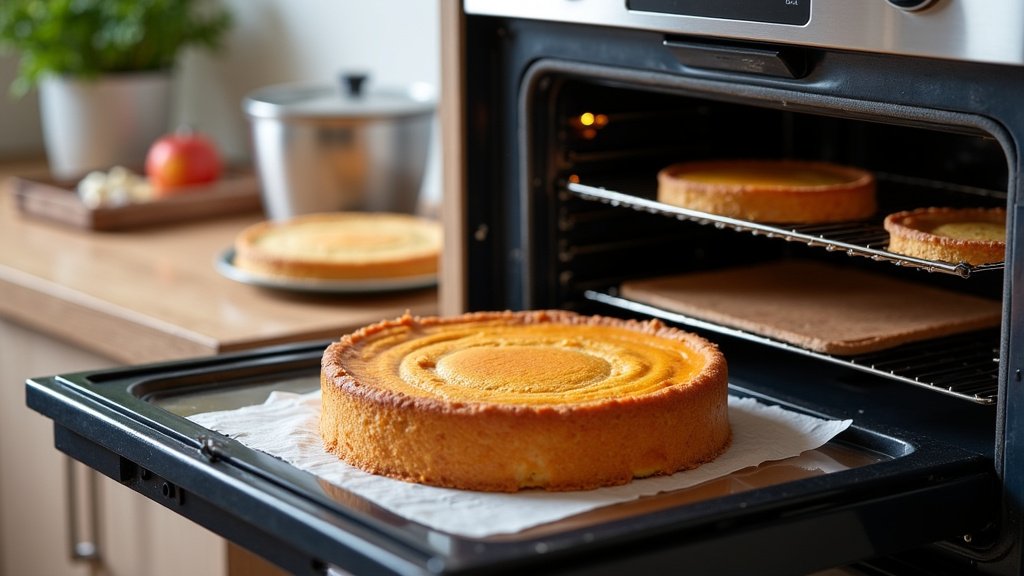
For baking cakes, the best oven type is a convection oven. It provides even heating and better browning than a conventional oven. This helps your cakes bake more uniformly every time.
Many home bakers find convection ovens reduce baking times and improve texture. The fan inside circulates hot air, preventing hot spots. This means consistent results for your delicious desserts.
- Convection ovens are generally best for cakes.
- They offer even heat distribution.
- This leads to better cake browning and texture.
- Baking times can also be shorter.
Ready to bake your best cake yet? Let’s dive into why convection reigns supreme and explore other oven types that can also do the job well.
Choosing the Right Oven for Your Cake Baking
When it comes to baking cakes, your oven plays a starring role. The right oven can make all the difference between a perfectly risen, moist cake and one that falls flat or bakes unevenly. For another baking method, see baking cake in a steam oven. Let’s explore the best options for your kitchen.
Convection Ovens: Your Cake’s Best Friend
Many bakers consider convection ovens the gold standard for cakes. Why? It all comes down to how they distribute heat. A fan inside the oven circulates hot air continuously. This means the temperature stays consistent throughout the oven cavity.
Think of it like a gentle breeze ensuring every part of your cake gets the same amount of warmth. This even heat helps prevent those frustrating hot spots that can cause one side of your cake to brown faster than the other. We found that this leads to a more uniform bake and a beautifully golden crust (Food Network Kitchen).
Benefits of Convection for Cakes
- Even Baking: Say goodbye to burnt edges and raw centers. The circulating air ensures your cake cooks evenly.
- Better Browning: The constant airflow promotes a lovely, consistent browning on the top and sides of your cake. This means more flavor and eye appeal.
- Reduced Baking Time: Because heat transfers more efficiently, your cakes often bake faster. This can save you a little time in the kitchen.
- Improved Texture: Many bakers report that cakes baked in convection ovens have a lighter, more delicate texture.
Using Convection for Cake Baking: A Quick Guide
While convection is great, it does require a slight adjustment. You might need to lower your oven temperature by about 25°F (15°C) from what the recipe states. Also, check your cake a bit earlier than usual, as baking times can be 10-15% shorter. It’s a small learning curve for big rewards!
Conventional Ovens: The Classic Choice
Before convection became popular, conventional ovens were the standard, and they still bake delicious cakes! These ovens heat from elements at the top and bottom. Heat radiates and rises, which can create temperature differences within the oven.
Imagine a warm room where the air near the ceiling is a bit warmer than near the floor. That’s a bit like a conventional oven. While they can bake fantastic cakes, you might need to rotate your cake pans halfway through baking to encourage even browning. For another common choice, compare gas and electric ovens for baking.
Working with a Conventional Oven for Cakes
- Rotate Pans: To combat potential hot spots, turn your cake pans 180 degrees about halfway through the baking time.
- Use an Oven Thermometer: Your oven’s dial might not be perfectly accurate. An inexpensive oven thermometer can give you the true temperature inside.
- Avoid Overcrowding: Don’t put too many pans in at once. This can block airflow and lead to uneven baking.
Convection vs. Conventional: Which is Truly Better for Cakes?
Let’s put them side-by-side. While both can bake a cake, convection offers advantages that can make your baking life easier and your results more consistent. Think of it as having a little helper inside your oven, constantly ensuring everything is just right.
| Feature | Convection Oven | Conventional Oven |
|---|---|---|
| Heat Distribution | Even, fan-circulated heat | Radiant heat, hotter spots |
| Baking Time | Often shorter | Standard recipe time |
| Browning | More uniform, all-around | Can be uneven, requires rotation |
| Cake Texture | Often lighter, more consistent | Good, but can vary |
| Adjustments Needed | Lower temp, shorter time | Pan rotation, oven thermometer |
Other Oven Types and Their Cake Baking Suitability
What if you have a different type of oven? Don’t worry, you can still bake delicious cakes! Let’s look at a few others.
Toaster Ovens
These are great for small batches, like a single cupcake or a mini cake. They heat up quickly, but their small size means heat can be intense and uneven. Keep a close eye on your bake, and be prepared for quicker cooking times. They’re not ideal for a full-sized layer cake, but perfect for a quick treat.
Wall Ovens vs. Range Ovens
Functionally, there isn’t a huge difference for baking cakes. A wall oven is built into your cabinetry, while a range oven is part of your stove. The key is whether they offer convection or conventional heating. Both can perform beautifully for cakes, assuming their heating elements are working well and they maintain a steady temperature. If you’re considering a built-in option, our guide to the best wall oven can help you choose.
Key Factors for Successful Cake Baking, No Matter Your Oven
Beyond the oven type, several other things contribute to a perfect cake. These are universal truths for bakers everywhere!
Temperature Accuracy
An oven thermometer is your best friend. Many ovens can be off by 25-50 degrees. Knowing the true temperature helps you adjust accordingly. If your oven runs hot, you might bake at a lower temperature; if it runs cool, a slightly higher one. For baking at elevation, compare high-altitude oven options.
Preheating Properly
Always preheat your oven fully. This means waiting until the oven reaches the set temperature and then giving it another 10-15 minutes. This ensures the oven walls and racks are fully heated, creating a stable environment for your cake. Rushing this step can lead to a cake that doesn’t rise correctly.
Using the Right Rack Position
For most cakes, the middle rack is ideal. This position allows for the most even heat distribution from both the top and bottom heating elements. If you’re baking multiple cakes, try to use racks that allow for good air circulation around each pan.
Your Cake Baking Checklist for Any Oven
To help you achieve cake perfection, here’s a quick checklist to run through before you start baking:
- Preheat your oven fully, allowing extra time after it signals readiness.
- Use an oven thermometer to verify the actual temperature.
- Position your cake on the middle rack for even heating.
- If using a conventional oven, plan to rotate your cake halfway through baking.
- Avoid opening the oven door too often, especially during the first 2/3 of baking.
- Know your oven’s quirks—every oven is a little different!
By keeping these points in mind, you’re well on your way to baking beautiful, delicious cakes, no matter which oven you have. Happy baking!
Conclusion
You now know that a convection oven offers superior results for cake baking due to its even heat distribution and consistent browning. While conventional ovens can certainly bake delicious cakes, they often require more attention, like rotating pans.
No matter your oven type, remember that temperature accuracy, proper preheating, and good rack position are universal keys to success. Don’t be afraid to experiment and get to know your own oven’s unique personality. With these tips, you’re ready to bake fantastic cakes every time. Happy baking!
Frequently Asked Questions
What is the main advantage of a convection oven for cakes?
The main advantage is even heat distribution. The fan circulates hot air, which prevents hot spots and ensures your cake bakes uniformly, leading to better texture and browning.
Do I need to adjust recipes when baking a cake in a convection oven?
Yes, you usually do. You might need to lower the temperature by about 25°F (15°C) and check for doneness 10-15% earlier than the recipe suggests, as cakes often bake faster in convection.
Can I bake a good cake in a conventional oven?
Absolutely! Conventional ovens can bake great cakes. You might need to rotate the cake pan halfway through baking to encourage even browning and use an oven thermometer to ensure accurate temperature.
Is a toaster oven suitable for baking a full-sized cake?
Toaster ovens are generally not suitable for full-sized cakes. Their small size and intense, often uneven heat make them better for small items like cupcakes or mini cakes, requiring close monitoring.
Why is an oven thermometer important for cake baking?
An oven thermometer is crucial because your oven’s display might not be accurate. It helps you know the true internal temperature, allowing you to adjust your baking temperature as needed for consistent results.