
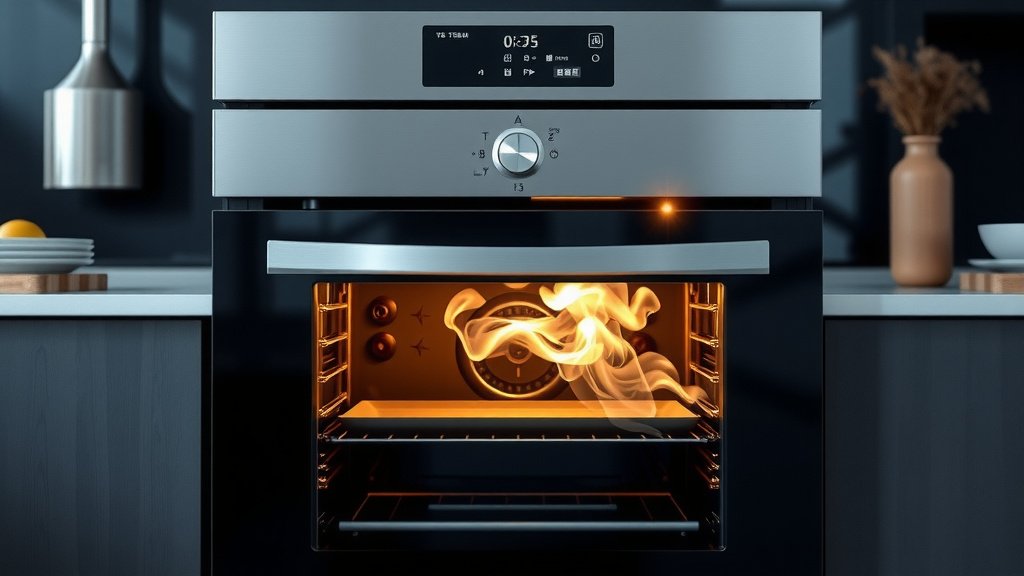
A steam oven works by generating water vapor, or steam, within its sealed cavity, cooking food gently and evenly. This process helps retain food’s natural moisture, nutrients, and vibrant flavors, offering a healthier cooking method.
You can think of it as a super-powered steamer combined with a traditional oven, using steam to transfer heat and cook your meals beautifully.
Here’s a quick overview of what you’ll discover about steam ovens:
- They cook with water vapor for amazing moisture retention.
- Food comes out tender inside and sometimes crispy outside (if it’s a combi-steam).
- Nutrients stay locked in better than with dry heat.
- There are different types, like pure steam and combi-steam ovens.
- They’re surprisingly easy to use and maintain in your kitchen.
How Does A Steam Oven Work?
A steam oven cooks by introducing heated water vapor directly into the cooking chamber. This steam surrounds your food, transferring heat efficiently and keeping things incredibly moist.
The Core Mechanism: Creating the Steam
Have you ever wondered how an appliance creates all that lovely steam? It’s quite clever, actually. Most steam ovens have a small, easily accessible water reservoir.
You simply fill this reservoir with water, often distilled, and slide it back into its slot. Once the oven is turned on, this water is heated, usually by a boiler or a heating element, which then turns the water into steam.
This steam is then released into the oven cavity. The amount and intensity of steam can be precisely controlled, allowing for a wide range of cooking options.
Understanding Heat Transfer with Steam
With a conventional oven, heat transfers through hot, dry air, which can sometimes dry out your food. But with a steam oven, the heat transfer is different.
Steam is a very efficient conductor of heat. We found that it transfers thermal energy much faster and more uniformly than dry air (National Institute of Standards and Technology).
This means your food cooks more quickly and consistently from all sides. No more dry edges or undercooked centers, which is a common frustration for many home cooks.
Why Steam Cooking Excels
Many people find steam cooking a game-changer for their kitchen results. It addresses some common problems you might encounter with traditional baking or roasting.
Unmatched Moisture Retention
This is arguably the biggest benefit. When you cook with steam, the moisture surrounds your food, preventing it from drying out.
Think about a roasted chicken: in a conventional oven, the skin might crisp up, but the breast can often become dry. With steam, the chicken stays wonderfully juicy throughout.
This also applies to fish, vegetables, and even reheated leftovers. Your food retains its natural juices and feels freshly cooked.
Preserving Nutrients and Flavor
We know that some cooking methods can strip away valuable vitamins and minerals. Research often connects steaming with better nutrient preservation compared to boiling (Mayo Clinic).
The gentle, enclosed cooking environment of a steam oven helps food hold onto its goodness. Plus, because flavors don’t leach out into cooking water, your dishes taste more vibrant and natural.
Perfect Texture Every Time
Are you tired of mushy vegetables or dense bread? Steam cooking helps maintain the ideal texture.
Vegetables stay crisp-tender, bread gets a fantastic crust with a soft interior, and even delicate desserts like custards come out silky smooth.
It’s about creating an optimal cooking environment where food develops its best characteristics.
Exploring the Types of Steam Ovens
Not all steam ovens are created equal. You’ll generally find two main categories, each with its own advantages, depending on your cooking style.
Here’s a quick look at the differences:
| Feature | Pure Steam Oven | Combi-Steam Oven |
|---|---|---|
| Cooking Method | Uses 100% steam | Combines steam with dry heat (convection) |
| Ideal For | Vegetables, fish, rice, reheating, delicate foods | Roasting meats, baking bread, casseroles, anything needing browning or crisping |
| Results | Ultra-moist, tender, preserves nutrients | Moist interior with a crispy exterior, faster cooking |
| Versatility | More specialized for steaming tasks | Extremely versatile, replaces multiple appliances |
Pure Steam Ovens
These ovens, as the name suggests, use only steam. They are fantastic for preparing healthy meals where moisture and nutrient retention are key.
Think about perfectly steamed fish, fluffy rice, or vibrant green vegetables. They’re also great for re-steaming leftovers, bringing them back to life without drying them out.
Combi-Steam Ovens
Combi-steam ovens are the true workhorses of the kitchen. They combine steam with convection heat, giving you the best of both worlds.
You can use them to roast a chicken that’s juicy inside with a beautifully crisp skin, or bake artisan bread with a perfect crust and airy crumb. Many experts say this versatility makes them a top choice for home chefs (Good Housekeeping).
This combination of steam and dry heat can also significantly reduce cooking times, which is always a plus in a busy household.
Using Your Steam Oven: Practical Tips
Getting started with a steam oven is quite intuitive, but a few pointers can make your experience even better. You’ll quickly discover how much easier certain dishes become.
Prepping for Steam Success
Before you start cooking, remember to fill the water reservoir. Most ovens will give you a clear indication when it’s low or empty. For best results and to prevent mineral buildup, we found that using distilled water is often recommended.
Also, don’t overcrowd the oven. Just like with a conventional oven, giving food space allows the steam (or steam and hot air) to circulate properly, ensuring even cooking.
Essential Maintenance for Longevity
Keeping your steam oven clean ensures it performs well for years to come. Here’s a simple checklist:
- Empty the water reservoir: Always do this after each use to prevent standing water.
- Wipe down the interior: Use a soft cloth to clean up any condensation or spills.
- Descale regularly: Just like a coffee machine, steam ovens need descaling to remove mineral deposits.
- Check door seals: Make sure they are clean and intact to prevent steam leakage.
- Refer to your manual: Always follow the manufacturer’s specific cleaning guidelines.
Many ovens have a self-cleaning or descaling function, which makes this task even easier for you.
Common Questions About Steam Ovens
You might have some initial thoughts or concerns about bringing a steam oven into your home. Let’s address a few of those directly.
Energy Consumption and Installation
People often ask about energy usage. While steam ovens require water and electricity, they can be surprisingly energy-efficient.
Because steam transfers heat so well, cooking times can be shorter, potentially saving energy in the long run. Installation is similar to a regular oven, usually requiring a standard electrical outlet, though some models might need a plumbed-in water line.
Is a Steam Oven Really Worth It?
This is a question many consider. If you value healthy cooking, perfect textures, and incredible flavor, then yes, it’s a worthwhile investment. Many home cooks report a significant improvement in the quality of their meals once they start using one.
It opens up a whole new world of culinary possibilities, from proofing dough to cooking sous-vide style without the extra equipment.
Conclusion
A steam oven works by harnessing the power of water vapor to cook your food, offering a unique blend of moisture, flavor, and nutrient retention that traditional ovens can’t quite match. Whether you choose a pure steam model for delicate dishes or a combi-steam for ultimate versatility, you’re setting yourself up for healthier, more delicious meals.
Embracing steam cooking can truly transform your kitchen experience, making everyday cooking more enjoyable and your results consistently impressive. It’s an appliance that genuinely cares about how your food tastes and feels.
What kind of water should I use in my steam oven?
It’s generally best to use distilled water in your steam oven. This helps prevent the buildup of mineral deposits (limescale) that can occur with tap water, which can affect the oven’s performance and longevity. Check your oven’s manual for specific recommendations.
Can I bake bread in a steam oven?
Absolutely, and many people say it’s one of the best ways to bake bread! Combi-steam ovens, in particular, create a moist environment that helps the dough rise beautifully and forms a superior, crispy crust with a soft, airy interior. You can even proof dough in them.
Do steam ovens cook food faster than regular ovens?
Often, yes. Steam is an incredibly efficient conductor of heat, which can reduce cooking times significantly compared to dry heat. When combined with convection (in a combi-steam oven), this effect is even more pronounced, allowing for quicker and more even cooking.
Are steam ovens hard to clean?
Not at all. In fact, many find them easier to clean than conventional ovens because the moist environment prevents food from baking onto surfaces as stubbornly. Most steam ovens also have descaling programs, and regular wiping after use keeps them sparkling.
Can a steam oven replace my microwave for reheating?
For many dishes, a steam oven offers a far superior reheating experience than a microwave. While a microwave heats quickly, it can often dry out food or make it rubbery. A steam oven reheats food gently with moisture, making it taste much fresher and more tender, like it was just cooked.
