
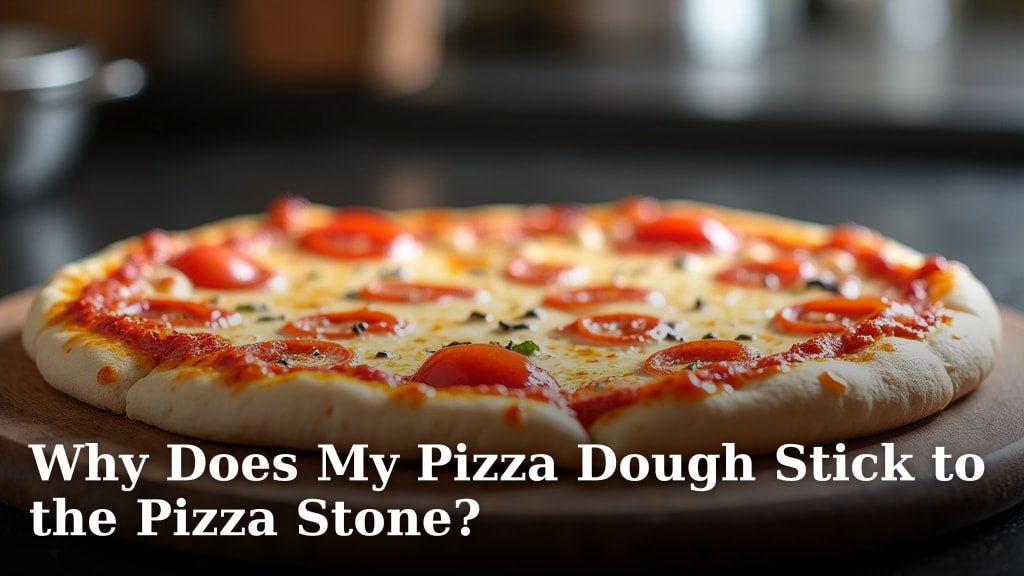
Your pizza dough sticks to the pizza stone primarily because of insufficient flour or cornmeal on the peel, a stone that isn’t hot enough, or dough that’s too wet. These issues prevent a quick release and create frustrating sticking.
When you’re trying to slide your beautifully topped pizza onto a hot stone, a sticky situation can ruin your dinner and your mood. We found that proper preparation of both your dough and your stone is key to a smooth launch. Nobody wants their perfect pie to become a messy, stuck-on disaster!
- Too little flour or cornmeal on the pizza peel.
- The pizza stone isn’t preheated long enough.
- Dough is too wet or over-proofed.
- Using too many toppings can weigh dough down.
- A new or unseasoned pizza stone.
Let’s dive into why your pizza dough gets stuck and, more importantly, how you can prevent it from ever happening again. We’ll get you launching pizzas like a pro!
Understanding Why Your Pizza Dough Gets Stuck
So, you’ve prepped your dough, added your favorite toppings, and you’re ready for that perfect slide. But instead of gliding onto the hot stone, your pizza becomes one with the peel. What went wrong?
We found that several common culprits are usually behind this sticky situation. Often, it’s a combination of factors, not just one.
The Pizza Peel Problem: Not Enough Prep
Your pizza peel is the bridge between your workstation and the hot oven. If this bridge isn’t prepared correctly, your dough will cling to it.
Insufficient Flour or Cornmeal
The most common reason for sticking is simply not using enough flour or cornmeal on your pizza peel. This creates a barrier between the dough and the peel.
Think of it like a layer of tiny ball bearings. As you jiggle the peel, these particles allow the dough to move freely.
- Flour: All-purpose flour works well, creating a slick surface.
- Semolina Flour: Many pizza makers prefer semolina. It’s coarser and acts like small ball bearings, providing an excellent non-stick surface.
- Cornmeal: This is a popular choice for its grit and heat resistance. It browns nicely on the bottom of your crust.
Using too little means those precious few particles get absorbed by the dough, losing their effectiveness.
Dough Sitting Too Long on the Peel
Once you’ve placed your dough on the prepared peel and started topping it, don’t let it sit for too long. Dough is essentially a living, breathing thing.
Over time, the moisture from the dough will absorb the flour or cornmeal you’ve put down. This eliminates your non-stick layer.
Many professional pizzerias prioritize speed for this very reason. They top quickly and launch immediately.
The Temperature Tango: Your Pizza Stone’s Role
A properly heated pizza stone is absolutely vital. It’s not just about cooking the pizza; it’s about the initial release.
Stone Not Hot Enough
A cold or insufficiently heated pizza stone is a major offender. When the dough hits a very hot surface, it immediately starts to cook and firm up.
This rapid cooking creates a thin, crisp layer that prevents sticking. It’s called “oven spring” and helps the dough lift off the surface.
If the stone isn’t hot enough, the dough has time to relax and conform to the stone’s surface, making it much more likely to stick.
We found that preheating your stone for at least 45-60 minutes at your oven’s highest temperature is generally recommended. Some even suggest longer for thicker stones.
Uneven Heating
Sometimes, your oven might have hot and cold spots. If your stone isn’t evenly heated, parts of your pizza might stick while others release.
Rotating your stone halfway through the preheating process can help achieve a more uniform temperature.
Dough Difficulties: When the Dough is the Culprit
Sometimes, the issue isn’t your technique or your stone, but the dough itself. Understanding your dough’s behavior is key.
Dough is Too Wet
High-hydration doughs produce wonderful, airy crusts. However, they are also stickier and more challenging to work with.
If your dough feels excessively sticky and slack, it might have too much water. This extra moisture makes it want to cling to any surface it touches.
When handling wet dough, be extra generous with your flour or semolina on the peel and your hands.
Over-Proofed Dough
Proofing is the process where yeast ferments and makes the dough rise. Over-proofed dough becomes very airy, weak, and sticky.
It loses its structure and can be hard to transfer. Imagine trying to move a fragile cloud – it just wants to collapse and stick.
Look for signs of over-proofing: the dough might have a strong, alcoholic smell, deflate easily when poked, or look extremely bubbly.
Under-Kneaded Dough
Kneading develops the gluten structure in your dough, giving it strength and elasticity. If dough isn’t kneaded enough, it can be sticky and hard to handle.
A well-kneaded dough should feel smooth, elastic, and less tacky. It should pass the “windowpane test,” where you can stretch a small piece thin enough to see light through it without tearing.
Topping Troubles: Weighing Down Your Efforts
While we all love a generously topped pizza, an overloaded pie can contribute to sticking.
Too Many or Too Wet Toppings
Excessive toppings, especially those with high moisture content (like fresh mozzarella, certain vegetables, or too much sauce), can weigh down the dough.
This extra weight can cause the dough to sag and lose its tension, making it harder to slide. The moisture can also seep into the dough and absorb the flour on your peel.
Consider draining very wet toppings or pre-cooking some vegetables to reduce their moisture content.
The Stone Itself: Age and Seasoning
Just like a cast-iron pan, pizza stones can benefit from seasoning over time.
Brand New or Unseasoned Stone
A brand new pizza stone can be more prone to sticking. Over time, as you cook pizzas and some drippings or oils bake onto the surface, it develops a natural non-stick patina.
Don’t try to “season” a pizza stone with oil like cast iron, as this can lead to smoking or even cracking. Simply continue using it, and it will develop its character.
Many experts say that repeated use helps build a natural, non-stick surface (Cook’s Illustrated).
Preventing Sticky Situations: Your Checklist
Ready to banish sticky pizza forever? Here’s a quick checklist to help you achieve perfect launches every time:
- Generously Flour Your Peel: Use ample semolina, cornmeal, or flour.
- Preheat Your Stone Fully: At least 45-60 minutes at maximum oven temperature.
- Work Quickly: Don’t let dough sit too long on the peel after topping.
- Balance Your Toppings: Don’t overload, especially with wet ingredients.
- Check Dough Hydration: Adjust flour if your dough is too sticky.
- Ensure Proper Proofing: Avoid over-proofed, weak dough.
| Problem | Why It Causes Sticking | Solution |
|---|---|---|
| Insufficient Peel Flour | Dough directly contacts the peel and adheres. | Use ample semolina, cornmeal, or flour on the peel. |
| Stone Not Hot Enough | Dough doesn’t immediately cook and release. | Preheat stone for 45-60 minutes at max oven temp. |
| Wet Dough | Excess moisture makes dough inherently sticky. | Reduce water slightly; use more flour when handling. |
| Overloaded Toppings | Weight and moisture cause dough to sag and absorb peel flour. | Use fewer or drier toppings; drain wet ingredients. |
| Dough Sits Too Long | Dough absorbs peel flour, losing its non-stick layer. | Prep and launch quickly (within 2-3 minutes). |
By addressing these common issues, you’ll be well on your way to perfectly baked, non-stick pizzas. It truly comes down to understanding the science behind the dough and the heat!
Conclusion
You now have a complete understanding of why your pizza dough might stick to your pizza stone. It really boils down to a few core principles: proper preparation of your peel, adequate preheating of your stone, and understanding your dough’s behavior. We found that a little extra care in these areas makes a huge difference. By implementing these simple adjustments, you’ll overcome sticky situations for good. Get ready to launch perfect, non-stick pizzas every time and enjoy delicious homemade pies with confidence!
Frequently Asked Questions
Can I use parchment paper on a pizza stone to prevent sticking?
Yes, you can use parchment paper on a pizza stone. It creates an effective non-stick barrier. However, most parchment paper is rated for temperatures up to 425-450°F. If your oven runs hotter, the paper might burn. Always check your parchment paper’s temperature rating.
How do I clean my pizza stone after a sticky mess?
First, let the stone cool completely. Then, use a stiff brush or scraper to remove any stuck-on food. Avoid soap, as the stone will absorb it and your pizza might taste soapy later. For tougher spots, you can use a small amount of warm water, but always ensure the stone is thoroughly dry before its next use.
Does a brand new pizza stone need any special preparation?
A brand new pizza stone doesn’t need special “seasoning” with oil like cast iron. This can damage the stone or cause smoking. Simply preheat it thoroughly according to the manufacturer’s instructions before its first use. Repeated use will naturally build up a non-stick surface over time.
What’s the best flour to use on a pizza peel?
Many pizza enthusiasts prefer semolina flour for dusting the peel. Its coarser texture acts like tiny ball bearings, helping the dough slide easily. Cornmeal is another popular choice for similar reasons. All-purpose flour also works well, but you might need a bit more.
My pizza stone cracked. Can I still use it?
If your pizza stone has cracked, it’s generally best to replace it. A cracked stone can continue to break apart during heating and cooling cycles. This might create uneven cooking or even pose a safety risk. For best results and safety, get a new one.
