
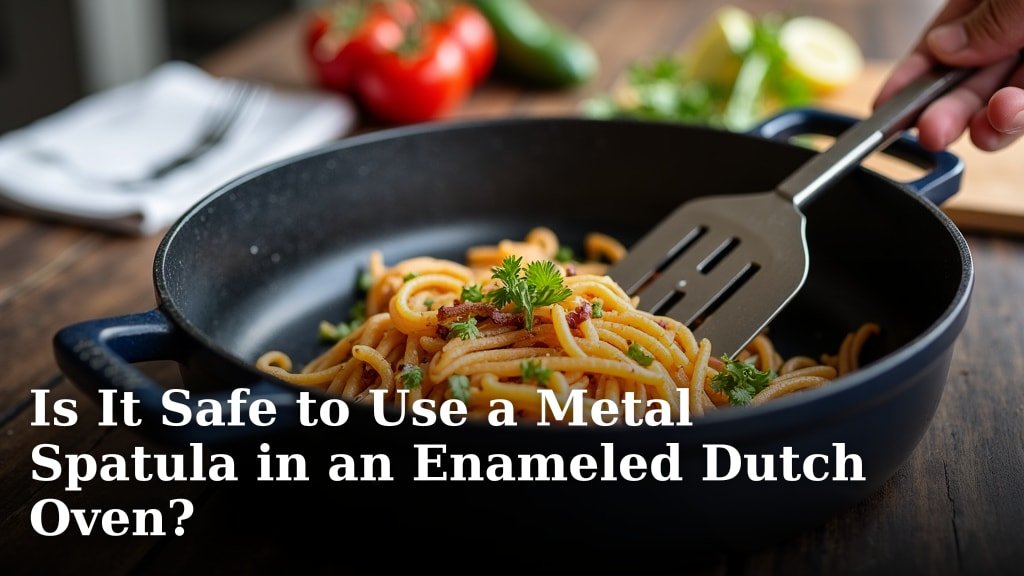
No, you should not use a metal spatula in an enameled Dutch oven. We found that metal utensils can scratch and damage the enamel surface of your pot. This damage can lead to chipping and affect the pot’s non-stick properties over time.
You want to protect your investment, right? Enameled Dutch ovens are Understanding what an enameled Dutch oven is can help you appreciate why proper care is so crucial for its longevity.durable but need proper care. Using the right tools keeps them looking good and cooking great. Many cooks worry about preserving their cookware.
- Avoid metal spatulas in enameled Dutch ovens.
- Metal can scratch and chip the enamel.
- Damaged enamel loses its non-stick quality.
- Opt for silicone, wood, or heat-resistant plastic instead.
- Protect your pot for long-lasting use.
Let’s dive into why this matters and what you should use instead to keep your enameled Dutch oven in top condition.
Why Metal Utensils and Enameled Dutch Ovens Don’t Mix
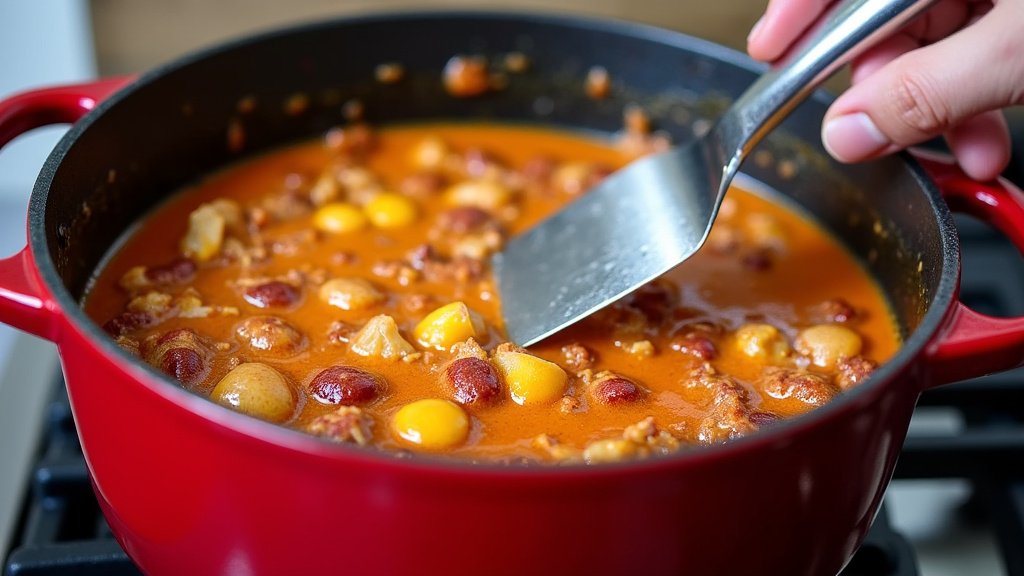
You’ve invested in a beautiful enameled Dutch oven. It’s probably one of your favorite kitchen tools. So, why should you avoid using a metal spatula or other metal utensils with it? The simple answer is that metal is harder than the enamel coating. When these two materials meet, the enamel loses every time.
We found that even a single scrape can leave a mark. Over time, these small marks become noticeable scratches. These scratches aren’t just cosmetic; they can compromise the integrity of the enamel. Think of it like a tiny crack in a windshield – it might start small, but it can grow.
The Delicate Nature of Enamel Coatings
Enameled cast iron, like your Dutch oven, features a glass-based coating. This coating is fused to the cast iron at high temperatures. It gives your pot its beautiful color, makes it easier to clean, and helps prevent food from sticking. It also protects the iron core from rusting (Cleveland Clinic).
However, glass, even in a durable enamel form, is still glass. It’s tough but brittle. Metal spatulas, especially those with sharp edges or rough finishes, can easily gouge this surface. We found this is true even with seemingly gentle scraping.
What Happens When Enamel Gets Scratched?
A scratch might seem harmless at first. But these tiny imperfections are more than skin deep. They create weak points in the enamel layer. When you heat and cool your Dutch oven, the cast iron expands and contracts. This movement can stress those weak points.
Eventually, a small scratch can turn into a chip. Once the enamel chips, the cast iron underneath is exposed. This exposure leads to problems. For example, your food might start to stick in that area. Also, the exposed iron can rust if not properly cared for. If rust does appear, our guide explains how to remove rust from a Dutch oven effectively.
This is why protecting the enamel is so important for the longevity of your pot. It’s about keeping that protective barrier intact for years of delicious cooking.
Maintaining the Non-Stick Properties
One of the best things about an enameled Dutch oven is its naturally less-stick surface. It’s not truly non-stick like Teflon, but it’s much better than raw cast iron for many dishes. This property relies on a smooth, unbroken enamel surface.
When you introduce scratches or chips, you create areas where food can cling. Suddenly, that effortlessly clean pot becomes a scrubbing challenge. Your carefully cooked stew might stick in places, leading to uneven cooking and a messy clean-up.
We’ve found that proper utensil use directly contributes to maintaining this convenience. Why make extra work for yourself, right?
The Best Utensils for Your Enameled Dutch Oven
So, if metal is out, what should you use? The good news is you have plenty of excellent, safe options. These alternatives protect your pot while still performing beautifully in the kitchen. It’s all about choosing materials that are softer than enamel.
Safe Spatula Materials You Can Trust
When you’re stirring, flipping, or serving, you want tools that are gentle on your cookware. Here are the top choices that many chefs and home cooks recommend:
- Silicone: This is arguably the best all-around choice. Silicone is heat-resistant, flexible, and completely non-abrasive. It won’t scratch your enamel. Plus, it comes in many colors and shapes.
- Wood: Wooden spoons and spatulas are traditional favorites. They are soft enough not to harm enamel. Just make sure they are well-maintained and don’t splinter.
- Heat-Resistant Plastic: Many plastic spatulas are designed for non-stick cookware. Look for ones specifically labeled as heat-resistant and safe for non-stick surfaces. They offer a balance of flexibility and stiffness.
Each of these materials provides a safe way to interact with your enameled Dutch oven. You can stir, scrape, and serve without a worry.
Comparing Safe Utensil Options
To help you decide, here’s a quick comparison of the most popular safe utensil materials:
| Utensil Material | Pros | Cons |
|---|---|---|
| Silicone | Very flexible, high heat resistance, non-scratch, easy to clean. | Can sometimes pick up food odors, may stain with strong colors. |
| Wood | Natural material, gentle, good for scraping. | Requires oiling to prevent drying/cracking, can absorb odors, not dishwasher safe. |
| Heat-Resistant Plastic | Affordable, lightweight, variety of designs. | Lower heat resistance than silicone, some plastics can melt if left on hot surfaces. |
As you can see, each option has its strengths. We suggest having a few of each type in your kitchen to handle different cooking tasks.
Beyond Spatulas: Other Utensils to Consider
While spatulas are often the main concern, think about other tools you use. Tongs, ladles, and whisks also come in various materials. Applying the same principles to all your utensils will ensure the best care for your Dutch oven.
For example, if you’re serving a stew, use a silicone or plastic ladle. When stirring sauces, a wooden spoon or silicone whisk is perfect. It’s a small change in habit that makes a big difference.
A Quick Checklist for Dutch Oven Care
To summarize, here’s what you need to remember to keep your enameled Dutch oven in prime condition:
- Always use silicone, wood, or heat-resistant plastic utensils.
- Avoid metal spatulas, whisks, and tongs.
- Never cut food directly in your Dutch oven with a knife.
- Use non-abrasive cleaning sponges and mild dish soap.
- Store your Dutch oven carefully to prevent chips from knocks.
- Read your manufacturer’s care instructions for specific advice.
By following these guidelines, your enameled Dutch oven will be a workhorse in your kitchen for many years to come. You’ll continue to enjoy its even heating and easy cleanup, and your delicious meals will be even more satisfying.
Conclusion
Protecting your enameled Dutch oven is simpler than you might think. We’ve seen how easily metal utensils can damage its delicate, glass-based coating, leading to scratches, chips, and ultimately, reduced performance. By making a small switch to silicone, wood, or heat-resistant plastic tools, you actively preserve your pot’s non-stick qualities and its beautiful finish.
These simple choices extend the lifespan of your valuable cookware. So, take the next step and equip your kitchen with the right utensils. Your enameled Dutch oven will thank you for years of delicious, hassle-free cooking.
Frequently Asked Questions
Will one accidental scrape with a metal spatula ruin my Dutch oven?
While one tiny scrape might not immediately ruin your pot, it creates a weak spot. Over time, and with repeated use, this can lead to bigger damage like chipping. It’s best to avoid metal contact whenever possible.
Can I use metal tongs if they have silicone tips?
Yes, metal tongs with silicone-coated tips are generally safe to use. The silicone acts as a protective barrier, preventing the hard metal from directly touching and scratching the enamel surface of your Dutch oven.
Does enamel damage affect food safety?
If the enamel is chipped and the bare cast iron is exposed, it could potentially rust. While cooking in a lightly rusted pot usually isn’t harmful, it can affect food flavor. Severely damaged enamel could harbor bacteria if not cleaned properly.
How do I remove metal marks from my enameled Dutch oven?
Sometimes, metal utensils leave grey streaks, which are metal residue, not scratches. We found that a paste of baking soda and a little water, gently rubbed with a non-abrasive sponge, can often remove these marks effectively.
Are wooden utensils always safe for enamel?
Wooden utensils are very safe for enamel. Just ensure they are smooth and free of splinters or rough edges that could potentially snag the surface. Regular oiling helps keep them in good condition.
