
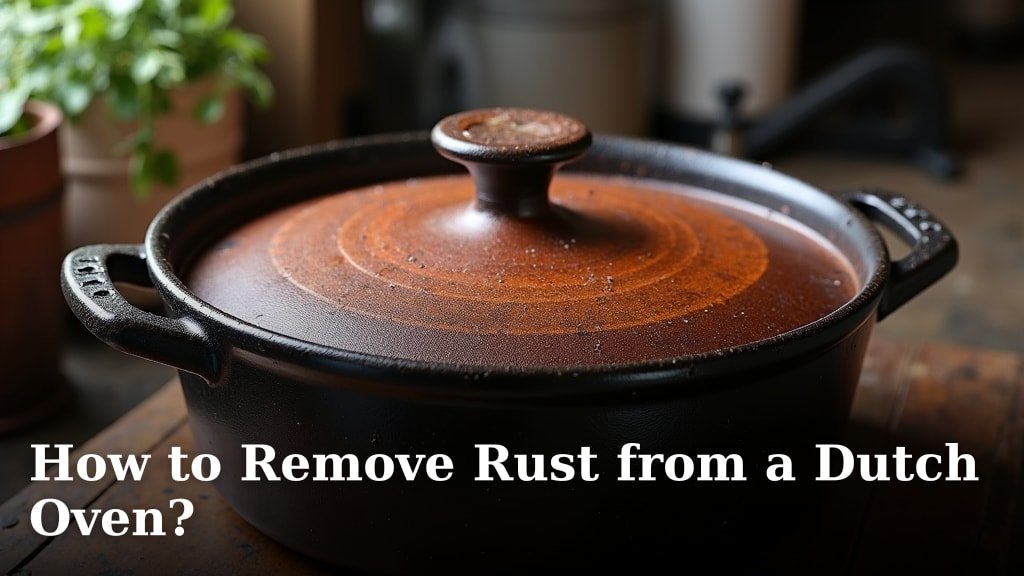
The easiest way to remove rust from a Dutch oven is to create a paste using baking soda and water, apply it to the rusted areas, and let it sit before gently scrubbing. This method works well for minor rust spots on your beloved cookware. You want to save that Dutch oven, right?
Rust on your Dutch oven can seem like the end of the world, but don’t fret; it’s often a simple fix. Whether it’s a minor orange stain or a more stubborn patch, you have options. We’ve found that common household items can be very effective in restoring your pot.
- Rust removal is straightforward.
- Baking soda paste is a top method.
- Vinegar soaks can tackle tougher rust.
- Re-seasoning is key after cleaning.
Let’s make sure your Dutch oven is rust-free and ready for many more delicious meals. We’ll walk you through each step to bring it back to life.
Tackling Rust on Your Dutch Oven
You’ve spotted some rust on your beloved Dutch oven. Don’t worry; this is a common issue for cast iron and enamel cookware. Even the best Dutch ovens can develop rust if not cared for properly, especially after exposure to moisture.
Understanding Why Rust Appears
Rust is iron oxide, a result of iron reacting with oxygen and water. Since most Dutch ovens are made of cast iron (or have a cast iron core), they are susceptible. Even enameled Dutch ovens can rust where the enamel chips or on exposed rims.
We’ve found that a little neglect goes a long way in promoting rust. Leaving your Dutch oven to air dry, or not seasoning it regularly, can invite those orange spots. Think of rust as your pot’s cry for a little extra attention.
Common Causes of Rust
- Improper drying: Leaving water on the surface after washing.
- High humidity: Storing it in a damp environment.
- Acidic foods: Cooking very acidic foods can strip seasoning.
- Scratches or chips: Exposing the raw cast iron underneath the enamel.
- Infrequent use: A well-used and seasoned pot is often a rust-free pot.
The Gentle Approach: Baking Soda Paste for Minor Rust
For those small, orange-hued blemishes, baking soda is your best friend. It’s mildly abrasive and effective without being harsh on your cookware (CDC).
We’ve often found this method to be enough for most rust issues. It’s easy, affordable, and safe for both traditional cast iron and enameled Dutch ovens.
Step-by-Step with Baking Soda
Here’s how you can make a baking soda paste and put it to work:
- Mix the Paste: In a small bowl, combine baking soda with just enough water to form a thick paste. You want it to be spreadable, like frosting.
- Apply Generously: Spread the paste over all the rusted areas. Make sure to cover the spots completely. Don’t be shy with the paste; more is usually better here.
- Let it Sit: Allow the paste to dry on the rust for several hours. For more stubborn spots, you might even leave it overnight. This gives the baking soda time to work its magic.
- Scrub Gently: Using a non-abrasive scrubber (like a nylon brush or sponge for enamel, or a stiff brush for bare cast iron), gently scrub the rusted areas. The dried paste helps lift the rust away.
- Rinse and Dry: Rinse your Dutch oven thoroughly under warm water. Immediately dry it completely with a clean towel. Absolutely no air drying here!
- Inspect: Check if all the rust is gone. If not, repeat the process.
You’ll be surprised how effective this simple trick can be. It’s like giving your Dutch oven a soothing spa treatment.
When to Bring Out Stronger Solutions: Vinegar & Salt
Sometimes, rust goes beyond a few spots. If your Dutch oven has more significant or widespread rust, it’s time to step up your game. Vinegar is slightly acidic and can dissolve rust more aggressively than baking soda.
Many experts recommend vinegar for its natural acidity. It helps break down the iron oxide bonds, making rust easier to remove (University of Illinois Extension).
Vinegar and Salt Bath for Stubborn Rust
This method is more intensive and works wonderfully for traditional, unenamaled cast iron. Use caution with enameled Dutch ovens, as prolonged acidic exposure can affect the enamel finish. For enameled pots, keep the soak time shorter.
- Prepare the Solution: Create a mixture of equal parts white vinegar and water. Use enough to fully submerge the rusted area of your Dutch oven. Add a tablespoon or two of coarse salt to act as a mild abrasive if desired.
- Submerge: Place your Dutch oven in the vinegar solution. If the entire pot doesn’t fit, you can soak one side, then flip it.
- Soak Time: For cast iron, soak for no more than 1-3 hours. Prolonged soaking can actually damage the cast iron. For enameled ovens, limit the soak to 30 minutes to an hour, checking frequently.
- Check Progress: Periodically check the rust. You should see it start to lift or soften.
- Scrub the Rust Away: Remove the Dutch oven from the solution. Using a stiff brush, steel wool (for bare cast iron only, never enamel!), or an abrasive sponge, scrub away the loosened rust.
- Rinse Exceptionally Well: Rinse thoroughly with warm, soapy water. Residual vinegar can cause more rust.
- Dry Immediately: Dry your Dutch oven completely and quickly. Heat it on the stove for a few minutes on low to ensure all moisture is gone.
This method is powerful. Think of it as a reset button for your rusted cookware. But, just like any powerful tool, use it with care.
Comparing Rust Removal Methods
Choosing the right method depends on your Dutch oven type and the severity of the rust. We’ve put together a quick guide to help you decide.
| Method | Ideal For | Dutch Oven Type | Effort Level | Pros | Cons |
|---|---|---|---|---|---|
| Baking Soda Paste | Minor, surface rust spots | Enameled & Bare Cast Iron | Low to Medium | Gentle, safe, inexpensive | May need repeat applications for stubborn rust |
| Vinegar & Salt Soak | Moderate to heavy rust | Primarily Bare Cast Iron | Medium to High | Very effective for thick rust | Can damage enamel if soaked too long; requires careful rinsing |
As you can see, each method has its place. Your goal is to get rid of the rust without damaging your beloved pot.
After Rust Removal: The Critical Re-Seasoning Step
Removing rust often strips away precious seasoning from cast iron. This is why re-seasoning is not an optional step, but a crucial one. Seasoning protects your Dutch oven from future rust and gives it a non-stick surface.
Even if you have an enameled Dutch oven, you might need to re-season any exposed cast iron rims or edges that rusted. Think of seasoning as applying a protective, invisible shield.
How to Re-Season Your Dutch Oven
This process is straightforward and creates a durable, non-stick, rust-resistant surface:
- Clean Thoroughly: Ensure your Dutch oven is perfectly clean and dry after rust removal.
- Apply a Thin Layer of Oil: Using a paper towel, apply a very thin, even layer of high smoke point oil (like flaxseed, grapeseed, or vegetable oil) to all cast iron surfaces. Wipe off any excess; you want it to look dry, not greasy.
- Bake Upside Down: Preheat your oven to 450-500°F (230-260°C). Place your Dutch oven upside down on the middle rack. Put a baking sheet or aluminum foil on the rack below to catch any drips.
- Bake for an Hour: Let it bake for one hour. This heat allows the oil to polymerize and bond with the cast iron, forming the seasoning layer.
- Cool Completely: Turn off the oven and let the Dutch oven cool completely inside the oven. This helps set the seasoning.
- Repeat for Best Results: For optimal seasoning, repeat this oiling and baking process 3-4 times. Each layer adds durability.
Each seasoning layer is like adding a coat of armor. The more you season it, the tougher and more resilient your Dutch oven becomes against rust.
Preventing Future Rust: A Little Care Goes a Long Way
The best way to deal with rust is to prevent it in the first place, right? Future rust can be avoided with a few simple habits.
We’ve found that consistent care is far easier than trying to remove rust after it appears. Think of it as a partnership with your cookware.
Your Rust Prevention Checklist
- Always dry completely after washing, preferably on the stove over low heat.
- Apply a very thin layer of oil after each wash and drying.
- Store your Dutch oven in a dry place, away from humidity.
- If stacking, place a paper towel between the lid and the pot to absorb moisture.
- Avoid using harsh detergents or steel wool on enameled surfaces, as they can chip the enamel.
- Cook often! Regular use and proper seasoning build a strong, rust-resistant surface.
By following these steps, you greatly reduce the chances of ever seeing that orange enemy again. Your Dutch oven is an investment, and a little care ensures it lasts generations.
Conclusion
You now have the tools and knowledge to tackle rust on your Dutch oven, whether it’s a tiny spot or a tougher challenge. Remember, simple household items like baking soda or vinegar are often all you need. The most important step after rust removal is always thorough drying and re-seasoning to protect your pot.
By making regular cleaning and proper storage a habit, you can prevent rust from ever taking hold. Treat your Dutch oven with care, and it will serve you faithfully for generations. Now, go forth and cook something delicious in your revitalized Dutch oven!
Frequently Asked Questions
Can rust on a Dutch oven make you sick?
While ingesting a small amount of rust isn’t typically dangerous, we recommend removing all rust before cooking. Rust imparts an unpleasant metallic taste and can degrade food quality. Always prioritize a clean cooking surface.
Is it OK to use steel wool on a rusty Dutch oven?
You can use steel wool on bare cast iron Dutch ovens for tough rust spots. However, you should never use steel wool or harsh abrasives on enameled Dutch ovens. It will scratch and ruin the enamel surface.
How do I know if my Dutch oven is ruined by rust?
A Dutch oven is rarely ruined by rust unless it has deeply pitted areas that cannot be cleaned or smoothed. If the rust is severe and creates significant holes or flaking that compromises the pot’s structure, it might be beyond repair. Most surface rust is removable.
Can I put my Dutch oven in the dishwasher if it has rust?
No, you should never put any cast iron, enameled or bare, in the dishwasher, especially if it has rust. Dishwasher detergents are too harsh and can strip seasoning, damage enamel, and worsen rust. Always handwash and dry immediately.
How often should I season my bare cast iron Dutch oven?
After initial rust removal and re-seasoning, you should re-season your bare cast iron Dutch oven whenever food starts sticking, or you notice a dull, dry appearance. Many find that seasoning every few months, or after cooking acidic foods, helps maintain a strong protective layer.
