9 Best Stainless Steel Dutch Ovens (November 2026)
The best stainless steel Dutch ovens include the Oster Dutch Oven with Steamer Basket 3-Quart for compact steaming, the Lodge Essential Enamel Cast Iron Dutch Oven for heat retention, and the Umite Chef Enameled Cast Iron Dutch Oven for family braises.
On this page (5 sections)
- Which stainless steel Dutch ovens are best for different kitchens?
- What should you look for in the best stainless steel Dutch ovens?
- Are stainless steel Dutch ovens better than enamel or cast iron?
- How should you care for a stainless steel Dutch oven?
- What is the best stainless steel Dutch oven for you?
The best stainless steel Dutch ovens combine durable steel with a base that spreads heat evenly. The Oster is the best fit for compact steaming, while the Tramontina Signature offers the strongest stainless steel construction for cooks who want a 5-quart tri-ply pot.
Material matters as much as shape. A pot can look like a Dutch oven yet behave very differently on the burner, in the oven and at the table.
Stainless steel is only one part of the choice. Enameled cast iron retains heat longer, hybrid cookware can make cleanup easier, and a large stock pot may suit batch cooking better.
Capacity sets the daily limits. A 3-quart pot is easy to store and lift, while 9 quarts needs counter space and a full burner.
Heat control matters just as much. Tri-ply construction and aluminum disc bases help reduce hot spots, while cast iron holds heat longer once it is hot.
Weight also shapes daily use. Stainless steel is generally easier to move when full, while cast iron can feel steady but harder to carry.
Surface type changes the routine as well. Plain stainless steel has no coating to wear, yet it is not naturally nonstick.
Enamel and hybrid surfaces can release food more easily, but they ask for gentler cleaning.
Lid material deserves a quick check. A glass lid lets you watch food without lifting it, while a metal lid suits hotter oven work, and the lid limit may be lower than the pot limit.
All of the picks here work across common stovetops, including induction. A wide pot on a small burner may still heat less evenly at the edges.
Care needs differ by material. Stainless steel is straightforward, while bare cast iron needs seasoning and enamel prefers hand washing and gradual cooling.
Start with the job you do most often, then check size, lid and care against that routine.
If you're comparing materials first, read our guide to What Is the Best Material for a Dutch Oven?. For a closer look at iron cookware, see What Is the Difference Between Cast Iron and Carbon Steel Dutch Ovens?.
Our picks at a glance
-
1
 Best for compact steaming
Oster Dutch Oven with Steamer Basket 3-Quart
9.6/10 our score
See it on Amazon -
2
 Best for heat retention
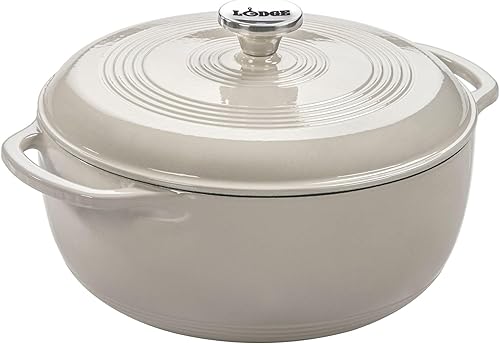
Lodge Essential Enamel Cast Iron Dutch Oven
9.5/10 our score
See it on Amazon -
3

- 4
 Check it
Tramontina Signature Tri-Ply Clad Stainless Steel 5-Quart
Best for precise stainless cooking - 5
 Check it
HexClad 5QT Hybrid Nonstick Braiser Dutch Oven
Best for easy-release cooking - 6
 Check it
Tramontina Pro-Line Stainless Steel 9-Quart Dutch Oven
Best for large batches - 7
 Check it
Amazon Basics Pre-Seasoned Cast Iron Dutch Oven
Best for traditional cast iron - 8
 Check it
Cooks Standard Professional 9 Quart Stock Pot
Best for stock and boiling - 9
 Check it
Cooks Standard Classic 6-Quart Stainless Steel Dutch
Best for everyday soups
Which stainless steel Dutch ovens are best for different kitchens?
The best choice depends on capacity, heat control and how much you value a coated surface. Pick the Oster for compact steaming, Tramontina for tri-ply stainless steel, or one of the 9-quart pots for large batches.
Oster Dutch Oven with Steamer Basket 3-Quart: Best for compact steaming
- 3-quart stainless steel pot
- Fitted steamer basket
- 8.5 in diameter
- Oven-safe to 400°F
A compact stainless steel pot with a fitted steamer basket for vegetables, rice and tamales. Its 3-quart size suits smaller kitchens and households.
Pros
- Steamer basket included
- Compact footprint
- Dishwasher safe
Cons
- Smaller capacity
- Oven-safe to 400°F
The Oster 3-quart Dutch oven is the clearest choice for a small kitchen because it includes a fitted steamer basket without requiring a separate insert. Steam vegetables on top while rice cooks below, or use the basket to reheat tamales.
Its 8.5 in diameter keeps the footprint smaller than a full-size stock pot. The 3-quart capacity suits smaller households and intimate meals, but it gives you less room for a large stew or batch of pasta.
The stainless steel body resists rust and corrosion. It is oven-safe to 400°F, so you can move some stovetop recipes into the oven, then use the dishwasher for cleanup.
Hand washing is recommended for maintaining the finish over time.
Choose this model if steaming is part of your normal cooking routine. Its compact capacity is the main trade-off, so larger households may prefer one of the 5- or 9-quart options below.
Lodge Essential Enamel Cast Iron Dutch Oven: Best for heat retention
- 6-quart enameled cast iron
- Oyster White finish
- Stovetop compatible
- Oven-safe to 500°F
This 6-quart enameled cast iron option is a strong choice for braising, baking, simmering and serving. The enamel surface avoids the rust-care routine of bare cast iron.
Pros
- High heat retention
- Acid-friendly enamel surface
- 6-quart capacity
Cons
- Heavier than stainless steel
- Hand washing recommended
The Lodge Essential is not stainless steel, but it earns a high place because enameled cast iron solves a different cooking problem. Its 6-quart body retains heat for braising, baking, roasting and simmering.
The oyster white enamel finish gives it a cook-and-serve role, while the enamel surface handles acidic ingredients without the same reaction concerns as bare cast iron. It is also suitable for marinating, cooking and refrigerating.
This Dutch oven works on gas, electric, ceramic and induction cooktops and is oven-safe to 500°F. Hand washing with warm, soapy water and a nylon scrub brush is recommended to protect the enamel finish.
Dual handles support lifting a full pot from oven to table. That matters for soups and stews, where the liquid adds weight beyond the pot itself.
The 6-quart size sits in a useful middle range for a family meal. Once preheated, cast iron keeps cooking steadily, which suits recipes that should not cool down quickly.
Choose Lodge when slow, steady heat matters more than low weight. If you want a lighter coated alternative, compare it with our guide to Best Dutch Oven Lightweight.
Umite Chef Enameled Cast Iron Dutch Oven: Best for family braises
- 5-quart enameled cast iron
- Cotton potholders included
- Induction compatible
- Oven-safe to 500°F
The 5-quart enameled cast iron pot suits family-size soups, stews, roasting and bread baking. Its lid, potholders and induction compatibility add practical value.
Pros
- 5-quart family size
- Potholders included
- Works on induction
Cons
- Hand wash only
- Needs gradual cooling before cleaning
The Umite Chef 5-quart Dutch oven suits family meals that benefit from enameled cast iron heat retention. Its cream white pot works for searing, frying, braising, stewing, boiling, roasting and baking, with a lid included.
The 5-quart size fits soups, stews and whole chickens for a family meal. The package also includes cotton potholders, which can help when handling a hot pot, although you should still use heat-safe handling practices.
This model works on induction, gas, electric and ceramic cooktops and is oven-safe to 500°F. Umite Chef recommends gradual cooling before cleaning because a hot enamel surface can crack after sudden temperature changes.
Preheating on medium-low for a few minutes helps spread heat more evenly. That slower start also reduces the risk of sudden temperature stress on the enamel.
The tight lid helps keep moisture in during simmering and braising. Raised nodes inside the lid are designed to return condensation to the food below.
Hand washing is required. A soft sponge is the right choice for daily cleaning, since harsh scrubbing can harm the finish over time.
Choose it when you want a medium-size enameled pot and included potholders, but choose stainless steel if you prefer a lighter, uncoated cooking surface.
Tramontina Signature Tri-Ply Clad Stainless Steel 5-Quart: Best for precise stainless cooking
- 5-quart tri-ply construction
- Aluminum core
- All-stovetop compatibility
- Oven-safe to 500°F
Tri-ply construction gives this 5-quart stainless steel Dutch oven an aluminum core between stainless layers. It suits cooks who want stainless durability with more even heat spread.
Pros
- Tri-ply construction
- Induction compatible
- Dishwasher safe
Cons
- Stainless steel is not naturally nonstick
- Smaller than the 9-quart picks
The Tramontina Signature is the best direct stainless steel choice for cooks who want tri-ply construction in a 5-quart size. Its aluminum core sits between stainless steel layers to support more even heat distribution.
Five quarts gives you room for family soups, stews, braises and slow-cooked dishes without the footprint of a 9-quart pot. The stainless steel lid and riveted handles keep the design focused on long-term everyday cooking.
It works on induction, gas, electric and ceramic glass cooktops and is oven-safe to 500°F. The mirror-polished exterior is dishwasher safe, while stainless steel still benefits from sensible heat control and enough oil when cooking foods that tend to stick.
Tri-ply construction mainly helps at the base, where heat first enters the pot. That spread can make simmering more predictable and reduce the need to stir as often.
The 5-quart capacity also works for meal prep. You can cook a batch of soup or stew and still have room for the lid to close fully.
Stainless steel gives you a plain, uncoated surface. That suits cooks who want to sear properly and who do not mind using oil and moderate heat.
Choose this one if you want the most balanced stainless steel option in the group. It is a better fit for precise stovetop cooking than for buyers who want a naturally nonstick surface.
HexClad 5QT Hybrid Nonstick Braiser Dutch Oven: Best for easy-release cooking
- 5-quart hybrid construction
- Stainless steel and ceramic coating
- Induction ready
- Steel lid included
The 5-quart hybrid pot combines stainless steel with a ceramic coating for searing and easier cleanup. It fits buyers who want a Dutch oven alternative with a lighter 3-pound body.
Pros
- Hybrid cooking surface
- 3-pound weight
- Induction ready
Cons
- Not a traditional stainless steel pot
- Glass lid limit differs from steel lid limit
The HexClad 5QT Hybrid Nonstick Braiser Dutch Oven is for cooks who want a 5-quart pot with a hybrid cooking surface. Its construction combines aluminum, stainless steel and ceramic coating rather than using plain stainless steel throughout.
The laser-etched hexagonal surface is designed to combine stainless steel with a ceramic coating. That makes it a useful alternative for buyers who want searing and easier cleanup without choosing a traditional enamel cast iron pot.
The body weighs 3 pounds and works on all home cooktops, including induction. It includes a steel lid, and the pot is oven-safe to 900°F.
A tempered glass lid, when used, has a lower oven limit of 400°F.
Tri-ply construction with an aluminum core supports quicker and more even heating. That helps with both stovetop searing and longer oven braises.
The 5-quart size suits stews, soups and slow-cooked meals for a small family. At 3 pounds, the empty pot is also easier to lift and store than a cast iron pot of similar size.
Metal utensil use and dishwasher cleaning are part of the design. That convenience is a key reason to choose hybrid cookware over a more delicate enamel surface.
Choose HexClad if lower weight and a coated hybrid surface matter more than a classic stainless steel interior. For another coated direction, see Best Dutch Oven Non Stick.
Tramontina Pro-Line Stainless Steel 9-Quart Dutch Oven: Best for large batches
- 9-quart capacity
- 18/8 stainless steel
- Impact-bonded tri-ply base
- Oven-safe to 500°F
This 9-quart stainless steel Dutch oven is made for large batches of soup, stew, vegetables and seafood. Its tri-ply base spreads heat across the bottom.
Pros
- Large capacity
- Induction compatible
- Dishwasher safe
Cons
- Too large for small meals
- Uncoated steel needs heat control
The Tramontina Pro-Line is the strongest option here for large stainless steel batches. Its 9-quart capacity handles large amounts of stew, soup, vegetables and seafood better than the 3-, 5- and 6-quart pots.
The body uses heavy-gauge 18/8 stainless steel, while the impact-bonded tri-ply base spreads heat from a gentle simmer to a rapid boil. Its stainless steel lid helps retain heat and steam during longer cooking.
It works on induction, gas, electric and ceramic glass cooktops and is oven-safe to 500°F. The pot and lid are dishwasher safe, which is useful after cooking a large meal.
A 9-quart pot changes how you plan storage. It needs a deep cabinet or open shelf space, and it works best on a burner that can cover the base.
The larger volume is helpful for stock and batch meals. You can boil, simmer and store leftovers with less risk of the pot bubbling over.
Riveted cast stainless steel handles support lifting the pot when full. Even so, a full 9-quart pot is heavy, so a stable counter path matters.
The trade-off is size. Choose this model when you regularly cook for a crowd or prepare food in batches, not when you mostly make one- or two-person meals.
Amazon Basics Pre-Seasoned Cast Iron Dutch Oven: Best for traditional cast iron
- 7-quart pre-seasoned cast iron
- Fitted lid
- Dual handles
- Oven-safe to 500°F
This 7-quart pre-seasoned cast iron Dutch oven is a practical stainless steel alternative for slow cooking and high heat. It needs regular seasoning care and does not provide a nonstick function.
Pros
- 7-quart capacity
- Strong heat retention
- Lid included
Cons
- Heavy cast iron body
- Hand wash only
The Amazon Basics 7-quart Dutch oven is the traditional cast iron alternative for high-heat cooking and slow braises. It includes a fitted lid and dual handles, and the pre-seasoned surface is ready for cast iron care.
Cast iron provides heat distribution and retention that suit braising, baking and slow cooking. The 7-quart capacity gives you more room than the 5-quart models, while the 500°F oven rating supports high-temperature recipes.
The main limitation is maintenance. Hand washing is required, regular seasoning is part of care, and the pre-seasoned finish does not provide a nonstick function.
Pre-seasoned cast iron still needs attention after washing. Drying the pot well and keeping the seasoning in good shape helps protect the surface over time.
The fitted lid helps trap moisture during long cooking. That is useful for braises and stews where steam loss can dry out the food.
Dual side handles make it easier to move a heavy, full pot. Lifting with two hands reduces the chance of tilting or spilling.
Choose this pot when heat retention matters more than weight or easy cleanup. Stainless steel is the better fit if you want a corrosion-resistant surface with less seasoning work.
Cooks Standard Professional 9 Quart Stock Pot: Best for stock and boiling
- 9-quart 18/10 stainless steel
- Aluminum disc bottom
- Lid included
- Brushed finish
This 9-quart stainless steel stock pot works well for stock, soups, boiling and other large-volume cooking. Its aluminum disc bottom helps spread heat without adding a coated cooking surface.
Pros
- Large capacity
- Corrosion-resistant steel
- Lid included
Cons
- Stock-pot shape
- No nonstick coating
The Cooks Standard Professional is best for large-volume stock, soup and boiling. Its 9-quart body uses brushed 18/10 stainless steel, with an aluminum disc capsule bottom to help distribute heat.
The pot has a stainless steel lid and a stock-pot shape that suits large quantities. It is also designed for stewing, boiling, frying and other general cooking tasks.
This model is useful when you need capacity but do not need an enamel or nonstick surface. Stainless steel is durable and corrosion resistant, but food can stick if the heat and oil are not managed well.
The aluminum disc bottom helps spread heat without adding a coating. That design supports steady boiling for pasta, vegetables and stock.
A 9-quart stock pot shape leaves more headroom than a wider Dutch oven. That extra height can help when you need a rolling boil without frequent boil-overs.
The brushed finish is practical for a large pot that will see regular use. It also fits a plain kitchen style that does not need enamel color.
Choose it over a traditional Dutch oven when stock, pasta or large soups are your main jobs. Its larger footprint needs more storage and stovetop space than the 6-quart models.
Cooks Standard Classic 6-Quart Stainless Steel Dutch: Best for everyday soups
- 6-quart 18/10 stainless steel
- Impact-bonded aluminum disc
- Tempered glass lid
- Oven-safe to 500°F
This 6-quart stainless steel Dutch oven suits soups, sauces, stews, chili and pasta. The glass lid lets you view the food while the aluminum disc supports even heating.
Pros
- Useful 6-quart size
- Glass lid for viewing
- All-stovetop compatibility
Cons
- Stainless steel needs proper heat and oil
- Glass lid is less suited to high oven heat
The Cooks Standard Classic is the most practical choice for everyday 6-quart soups, stews, chili and pasta. Its 18/10 stainless steel body uses an impact-bonded aluminum disc for quick, even heating.
The tempered glass lid has a steam vent, so you can view food without lifting the lid. Riveted stainless steel handles support regular use, and the pot works on induction, gas, electric, glass and ceramic cooktops.
It is oven-safe to 500°F, while the glass lid is oven-safe to 350°F. The pot is dishwasher safe, but the glass lid means you should check the lid temperature separately before moving the covered pot into a hotter oven.
The 6-quart size is large enough for a family meal without being hard to store. It also gives you room to boil pasta or simmer a full pot of chili.
The aluminum disc in the base helps heat the bottom more evenly. That can reduce hot spots during long simmers and sauce making.
A see-through lid changes the cooking routine in a useful way. You can check progress and adjust seasoning without releasing heat and steam each time.
Choose this model if you want a useful middle capacity and a see-through lid. Pick Tramontina Signature if tri-ply construction is your priority.
What should you look for in the best stainless steel Dutch ovens?
The most important features are capacity, heat-spreading construction, cooktop compatibility and lid material. Stainless steel is durable, but the base design has a major effect on how evenly the pot heats.
A 3-quart pot is easier to store and suits smaller meals. Five to 6 quarts is a flexible middle range for family soups and stews, while 9 quarts is better for batch cooking, stock and large gatherings.
Tri-ply construction places an aluminum core between stainless steel layers. An aluminum disc or tri-ply base concentrates heat-spreading material under the cooking surface, which can help reduce hot spots while keeping the sides stainless steel.
Check the lid before buying. The Tramontina models use stainless steel lids, the Cooks Standard 6-quart model uses tempered glass, and the Oster uses a glass lid.
Glass can help you view food, but its oven-safe limit may be lower than the pot's.
Stainless steel is not naturally nonstick. For better release, preheat at a moderate setting, add oil, avoid moving food too soon and allow browned food to release before turning it.
Are stainless steel Dutch ovens better than enamel or cast iron?
Stainless steel is better when you want lower weight, rust resistance and simple daily cooking. Enameled cast iron is better for heat retention, while bare cast iron needs seasoning care.
Stainless steel suits frequent stovetop work, while cast iron suits longer, slower recipes that benefit from stored heat. The Lodge and Umite Chef models hold heat well for braising, but they are heavier and need gentler cleaning.
Enamel handles acidic foods such as tomato sauces more easily than bare iron. Bare cast iron offers strong heat retention, but the Amazon Basics pre-seasoned finish still needs regular maintenance.
Seasoning is the key difference with bare cast iron. It needs drying and occasional re-seasoning to stay in good shape.
Stainless steel avoids that routine. It resists rust and corrosion and can move from stovetop to oven without worrying about a coating.
Weight is another practical separator. A full cast iron pot can be hard to lift safely, while stainless steel is usually easier to move from burner to sink.
A hybrid pot such as HexClad sits between these categories. It uses stainless steel and ceramic coating for easier release and a lighter body.
Hybrid surfaces also suit metal utensil use, which can simplify cleanup compared with enamel.
Stainless steel responds more quickly to burner changes, while cast iron keeps heat longer once it is hot. That faster response is easier to control for delicate foods.
Capacity and shape should guide the final pick. A stock pot shape suits boiling and stock, while a Dutch oven shape suits braises and stews.
Think about storage before committing to cast iron. Heavy pots need a low, easy-to-reach place.
If you cook acidic foods often, enamel or stainless steel is the simpler path. Match the material to your main recipes first, then check weight, lid and care.
How should you care for a stainless steel Dutch oven?
Let the pot cool enough for safe handling before washing it. Follow the care instructions for the lid as well as the body, since dishwasher-safe does not mean every part has the same recommendation.
Glass, metal and enamel lids can have different limits. Checking each part helps you avoid overheating a lid.
Use moderate heat when starting food and avoid heating an empty pot longer than needed. If food sticks, soak the pot and use a soft scrubber rather than scraping aggressively.
Preheating gradually helps stainless steel release food better. Add oil after the pot is warm, then add food.
For cast iron or enamel, follow their separate care needs. The Amazon Basics pot is hand wash only, while Lodge and Umite Chef also specify hand washing.
Enamel needs gradual cooling before cleaning, as sudden cold water on a hot surface can cause cracks. Bare cast iron needs drying after washing to help prevent rust.
Stainless steel benefits from dry storage. Putting it away wet can leave spots, even though the steel resists rust.
Store large pots where you can lift them safely. Keep enamel and glass lids where they will not chip or fall.
Avoid sudden temperature changes with enamel and cast iron. Let the pot cool naturally and start cooking on gentle heat.
For stainless steel, mild soap and a soft scrubber handle most jobs. Soak stuck food first rather than hard scrubbing.
Hand washing often keeps mirror-polished steel and enamel looking better for longer. Keep the routine matched to your material and follow it every time.
What is the best stainless steel Dutch oven for you?
Choose the Oster 3-quart if compact steaming is your main goal. Pick the Tramontina Signature 5-quart for the best balance of stainless steel construction, capacity and heat control.
Choose the Tramontina Pro-Line 9-quart or Cooks Standard Professional 9-quart for large batches. Pick Lodge or Umite Chef when cast iron heat retention matters more than low weight, and choose HexClad if a hybrid coated surface fits your style.
Those picks cover the main sizes here. A 3-quart pot suits small kitchens, 5 to 6 quarts suits family meals, and 9 quarts suits stock and batch cooking.
The Amazon Basics 7-quart pot is the option for traditional cast iron cooking. It needs seasoning care, yet it offers strong heat retention for braises and slow cooking.
The Cooks Standard Classic 6-quart pot is the middle option with a glass lid. It suits soups, chili, pasta and stews for cooks who like to see the food while it cooks.
Your cooktop should be part of the decision too. All of these models work across common stovetops, including induction, but burner size still affects how evenly a wide pot heats.
Lid material is worth a final check before you order. A glass lid is handy for viewing, while a stainless steel lid suits hotter oven use.
Care expectations should also match your routine. Stainless steel is simpler for daily use, while enamel and bare cast iron ask for hand washing and more attention.
Our score weighs specs, features and buyer feedback against what you're shopping for. For related cookware comparisons, see Best Toaster Oven Stainless Steel and Best Convection Oven Stainless Steel.
Start with your most common meal size, then narrow by material and lid. That order helps you avoid a pot that is too large, too heavy or too fussy for your kitchen.
Our top 3 picks at a glance
-
1
Best for compact steaming
Oster Dutch Oven with Steamer Basket 3-Quart
9.6/10 our score
See it on Amazon -
2
Best for heat retention
Lodge Essential Enamel Cast Iron Dutch Oven
9.5/10 our score
See it on Amazon -
3
Frequently asked questions
Are stainless steel Dutch ovens good?
Yes. Stainless steel Dutch ovens are durable, resist rust and work well for soups, stews, boiling and stovetop-to-oven cooking.
Tri-ply or aluminum-disc bases help spread heat.
Stainless steel is not naturally nonstick, so preheating and using enough oil matter for foods that can stick.
What is the best stainless steel Dutch oven for a small kitchen?
The Oster 3-quart Dutch Oven with Steamer Basket is the most compact pick here. Its 8.5 in diameter and fitted steamer basket suit smaller kitchens, apartments and smaller households.
Choose a 5-quart pot instead if you regularly cook larger meals.
Is stainless steel better than cast iron for a Dutch oven?
Stainless steel is usually easier to lift and does not need seasoning. Cast iron holds heat longer, which helps with slow braises and baking, but it is heavier and needs more care.
Enameled cast iron avoids bare-iron rust concerns while keeping much of the heat retention.
How do you stop food from sticking to stainless steel?
Preheat the stainless steel pot over moderate heat, add enough cooking oil, then place the food inside once the oil is ready. Avoid moving food too early.
Let browned food release naturally before turning it, and clean the pot according to its care guidance.