Dutch Oven on Stovetop vs Oven: Which Should You Use? (November 2026)
Use the stove top to sear, boil and control heat, and use the oven to finish slowly and evenly. Most Dutch oven recipes use both, so the real choice is which heat source does the main work for your meal.
On this page (11 sections)
- Quick verdict: dutch oven on stove top vs oven
- The two heat sources side by side
- Searing and browning: the stove top wins
- Simmering soups and stews: the stove top gives control
- Braising and slow cooking: the oven wins
- Baking bread and roasting: the oven wins
- Heat control on gas, electric and glass tops
- Temperature limits and oven safety
- Size, weight and who should buy which
- Care, cleaning and moving between heat sources
- Final verdict on stove top vs oven
Use the stove top to sear, boil and control heat, and use the oven to finish slowly and evenly. In this dutch oven on stove top vs oven comparison, most good recipes use both in sequence.
You sear meat on the stove top in minutes, then braise it in the oven for hours. That split is the point of a heavy lidded pot.
Our score weighs specs, features and buyer feedback against what you are shopping for. We compared capacity, material, temperature rating and weight for each pot below.
 Best for large family braises
Lodge Essential Enamel Cast Iron Dutch Oven
 Best for steaming on the stove top
Oster Dutch Oven with Steamer Basket 3-Quart
Quick verdict: dutch oven on stove top vs oven
Pick the stove top for control and the oven for hands-off even heat. A Dutch oven on stove top vs oven is rarely an either-or choice.
Searing, sautéing, simmering a soup and boiling pasta all need fast, direct heat. Those jobs suit the stove top because you can raise, lower or turn off heat at once.
Braising, roasting, stewing for hours and baking bread need heat from all sides. Those jobs suit the oven because the pot sits in a steady hot box with the lid on.
The four pots here all work on the stove top. Three enameled cast iron pots are oven safe to 500 °F, and the stainless steel Oster pot is oven-safe to 400 °F.
That temperature gap decides many recipes. A braise at 325 °F works in any of them, while a bake at 450 °F rules out the Oster pot.
The two heat sources side by side
The stove top heats the bottom fast, and the oven heats the whole pot steadily. Use the table to match the job to the heat source.
| Job | Stove top | Oven |
|---|---|---|
| Sear and brown | Best, fast direct heat | Slow, no direct contact |
| Boil and simmer | Best, you control the bubbles | Poor for boiling |
| Braise and stew, long | Good, needs checking | Best, hands-off and even |
| Roast a whole chicken | Not practical | Best, heat surrounds the pot |
| Bake sourdough | Not practical | Best, lid traps steam |
| Steaming vegetables | Best, basket sits over water | Possible, but slower to set up |
The stove top wins when you need to watch, stir and adjust. The oven wins when you need to walk away for an hour or more.
A heavy cast iron pot helps both ways. It holds heat on the stove top after you lower the burner, and it holds heat in the oven when you open the door.
Searing and browning: the stove top wins
Sear on the stove top, because only direct contact browns food fast. The oven cannot sear, since hot air alone does not create the same crust.
Start with a dry, hot pot and a thin layer of oil. Add meat in batches so the surface browns instead of steaming in its own juice.
Cast iron holds heat well for this step. The Lodge, Amazon Basics and Overmont pots are enameled cast iron, so they keep browning power steady as cold food goes in.
The Oster pot is stainless steel and weighs 3.2 pounds. It heats evenly for steaming and simmering, but it will not hold searing heat like a 13-pound cast iron pot.
Do not use high heat as a shortcut. Enameled cast iron can stick food when the pot is too hot, so medium heat and enough oil help food release.
Our guide to the Best Dutch Oven For Gas Stoves explains burner fit and heat control before you sear.
Simmering soups and stews: the stove top gives control
Simmer on the stove top when you want to taste, stir and adjust fast. You can skim foam, add vegetables and change the heat in seconds.
A gentle simmer needs low heat, not a hard boil. A heavy pot helps here because it spreads heat and reduces hot spots at the bottom.
The 6-quart Lodge pot and the 6-quart Amazon Basics pot suit large batches of soup and stew. The 5.5-quart Overmont pot suits families of 3 to 5 for one-pot dinners.
The 3-quart Oster pot suits smaller households. Its steamer basket lets you steam vegetables on top while rice simmers below in the same pot.
Move a stew to the oven when the simmer needs to run for hours. Oven heat stays steadier than a burner you must keep checking.
Braising and slow cooking: the oven wins
Braise in the oven for steady, hands-off cooking over hours. Heat surrounds the pot, so the food cooks more evenly than with heat only from below.
A braise starts on the stove top. Sear the meat, soften onions and garlic, add liquid, then put the lid on and move the pot to the oven.
The Lodge and Amazon Basics pots hold 6 quarts and are oven safe to 500 °F. The Overmont pot holds 5.5 quarts and is also oven safe to 500 °F.
Those sizes handle a pot roast, a whole chicken or a family stew without crowding. Crowding matters because liquid should loosen, not boil over the lid.
Use the oven at the recipe temperature and leave the lid on. Opening the lid on the stove top lets steam escape, while the oven keeps moisture in.
The lid design matters during that long oven stage. The Overmont pot has a heavy self-basting lid with continuous condensation bumps that capture steam and redistribute moisture back onto the food, which helps keep pot roasts and braised dishes juicy.
The Lodge pot also lists a moisture-sealing lid in its highlights, and its porcelain enamel surface stands up to acidic ingredients without reacting with food. That helps when a braise includes tomatoes, wine or vinegar and then sits in the oven for hours.
Baking bread and roasting: the oven wins
Bake and roast in the oven, because the stove top cannot heat the top of the food. Bread needs dry heat around the loaf, and a roast needs heat on all sides.
For sourdough, the lid traps steam that helps the crust set. The Overmont pot is sized for artisan bread bakers who also use it for family dinners.
The Lodge pot lists bread baking, braising, marinating and slow cooking as ideal uses. Its moisture-sealing lid and dual handles help you move it from stove top to oven and table.
The Amazon Basics pot is oven safe to 500 °F for roasting and baking. That rating covers most braises and bakes, but check your recipe temperature first.
The Oster pot is oven-safe to 400 °F, so it can finish a braise but not a high-heat bake. If your recipe calls for 450 °F, choose one of the 500 °F cast iron pots.
Heat control on gas, electric and glass tops
Stove top heat depends on your cooktop, so match the pot to the surface you have. Gas gives fast control, electric coils and glass tops need a flat base and care.
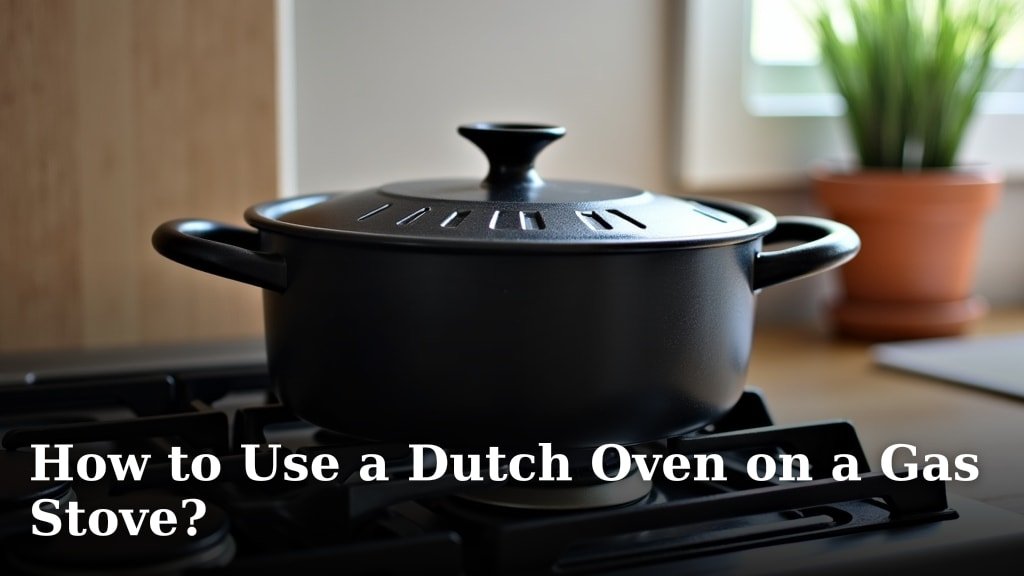
On gas, you can change heat quickly for searing and simmering. Our How to Use a Dutch Oven on a Gas Stove? guide covers burner size and flame width.
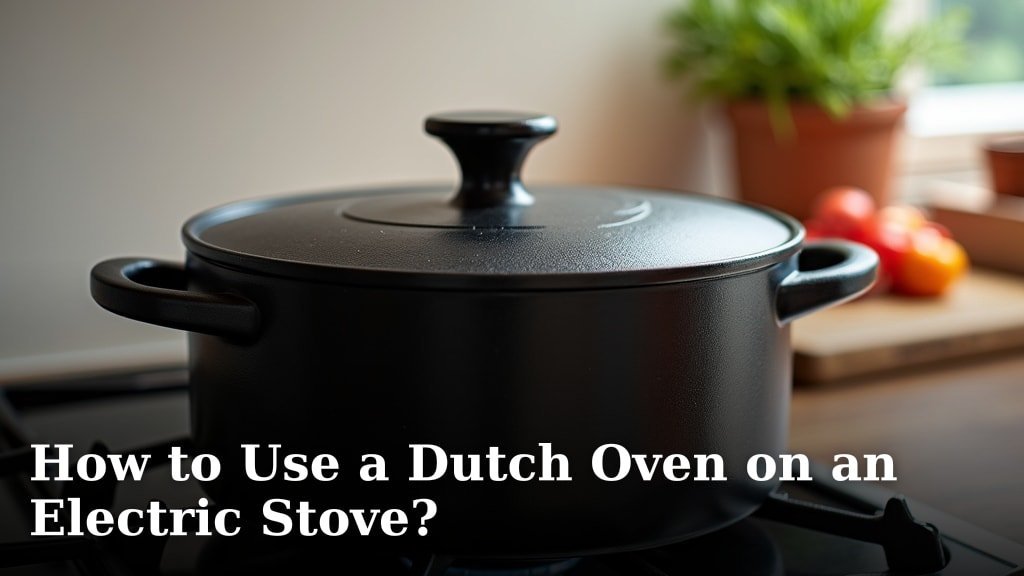
On electric, a heavy pot takes longer to heat and cool. Our How to Use a Dutch Oven on an Electric Stove? guide covers preheating and low settings.
On a glass top, a flat, smooth base matters most. Our post on can you use a dutch oven on glass top stove explains lifting, sliding and enamel care.
Do not slide a heavy cast iron pot across a glass top. Lift it straight up and set it down gently, since enamel can chip on impact.
Compatibility also differs by pot. The Lodge and Overmont pots list gas, electric, ceramic and induction cooktops, while the Oster pot is built around stovetop steaming with a glass lid that lets you watch vegetables and rice without lifting it.
Temperature limits and oven safety
Check the temperature rating before you move any pot to the oven. The limit protects the enamel, the lid and the handles.
Three pots here are oven safe to 500 °F: the Lodge 6-quart, the Amazon Basics 6-quart and the Overmont 5.5-quart. That covers most braises, roasts and bread bakes.
The Oster 3-quart pot is oven-safe to 400 °F. It suits finishing a braise or keeping food warm, not a 450 °F bake.
Temperature is not the only limit. A glass lid, a plastic knob or a steamer basket may have its own limit, so follow the care notes for the exact pot.
Never put a cold pot into a very hot oven and expect even results. Let the pot warm with the oven, or let it cool before washing, to avoid thermal shock.
Size, weight and who should buy which
Buy by capacity and lifting weight, not by color or shape alone. A pot that is too heavy or too large will sit unused.
The Lodge Essential Enamel Cast Iron Dutch Oven holds 6 quarts, measures 11.6 x 13.25 x 6 inches and weighs 13.5 pounds. It suits large family braises and bread baking.
The Amazon Basics Enameled Cast Iron Dutch Oven holds 6 quarts and weighs 13.1 pounds. It suits stews and roasts for 4 to 6 people.
The Overmont Enameled Cast Iron Dutch Oven holds 5.5 quarts and measures 13.2 x 13.2 x 7.1 inches. It suits families of 3 to 5 and sourdough baking.
The Oster Dutch Oven with Steamer Basket holds 3 quarts, measures 8.5 inches in diameter and weighs 3.2 pounds. It suits smaller kitchens, apartments and steaming rice, vegetables and tamales.
How the dimensions affect stove to oven use
The Amazon Basics pot measures 13.8 x 11.02 x 4.72 inches, so it is wider and shallower than the Overmont pot. That shape can suit a roast or stew that spreads out, while the taller Overmont pot may suit a deeper braise or a loaf that needs headroom under the lid.
The Oster pot measures 8.5 x 8.5 x 6.2 inches and fits tight storage spaces and smaller ovens more easily. Its 3.2-pound weight also means you can move it from stove top to oven to table without the two-hand lift that a 13-pound cast iron pot needs when full.
Capacity should still decide first. A 6-quart pot gives room for a whole chicken or a pot roast plus vegetables, while a 3-quart pot with a basket is planned around two foods cooking at once, such as vegetables steaming above rice below.
Care, cleaning and moving between heat sources
Hand wash enameled cast iron and lift it with both hands when it moves between stove top and oven. That habit protects the enamel and your back.
The Lodge pot is dishwasher safe, but hand washing with warm, soapy water and a nylon scrub brush is recommended. The Amazon Basics and Overmont pots are hand wash only.
Avoid citrus-based cleaners and metal utensils on enamel. The Amazon Basics care notes make that point directly, and it applies to the other enamel pots too.
Let a hot pot cool before washing. Putting a hot enameled pot under cold water can cause thermal shock and damage the finish.
Use potholders or oven mitts for the handles and lid. The Overmont pot includes cotton potholders, which helps when you lift it from a hot oven.
If you need a different appliance for a small meal, check Can You Use A Dutch Oven In Toaster Oven? before you try it. Do not use a Dutch oven in a microwave, as Can You Use a Dutch Oven in a Microwave? explains.
Final verdict on stove top vs oven
Start on the stove top to sear and control, then finish in the oven to cook slowly and evenly. That sequence is how most Dutch oven recipes work.
Choose the Lodge pot for a 6-quart family braise up to 500 °F. Choose the Amazon Basics pot for stews and roasts for 4 to 6.
Choose the Overmont pot for a 5.5-quart family meal plus sourdough baking. Choose the Oster pot for a lighter 3-quart stove top steamer for smaller households.
Our score weighs specs, features and buyer feedback against what you are shopping for. For this dutch oven on stove top vs oven choice, temperature rating and capacity matter more than color.
Pick the pot that fits your largest meal, your cooktop and your oven temperature. Then sear on the stove top, braise in the oven, and serve from the same pot.
Frequently asked questions
Should I use a Dutch oven on the stove top or in the oven?
Use the stove top for searing, boiling and quick heat changes, and the oven for slow, even cooking. Many recipes start on the stove top and finish in the oven, so a pot that works in both places gives you the most options.
Can all Dutch ovens go from the stove top to the oven?
No. Check the temperature rating for the exact pot first.
The cast iron picks here are oven safe to 500 °F, while the Oster stainless steel pot is oven-safe to 400 °F, so recipes above that limit need a different pot.
Which is better for braising, the stove top or the oven?
The oven is usually better for long braises because heat surrounds the pot and stays steady. Start on the stove top to sear the meat and build flavor, then move the pot to the oven for the slow, hands-off finish.
Can I bake bread in a Dutch oven on the stove top?
No, bread baking needs oven heat around the pot. A Dutch oven holds steam and heat well in the oven for sourdough, while the stove top would heat only the bottom and cannot bake the crust evenly.