

The best material for a Dutch oven is enameled cast iron because it offers superior heat retention, even cooking, and is easy to clean. You get the benefits of traditional cast iron without the high-maintenance seasoning process.
While other options exist, like bare cast iron or ceramic, enameled cast iron strikes the perfect balance for most home cooks. It works for everything from slow-cooked stews to baking crusty bread. You’ll find it handles a wide range of cooking tasks with ease.
- Enameled cast iron offers the best all-around performance.
- Bare cast iron needs more care but is very durable.
- Ceramic Dutch ovens are lighter but can be more fragile.
- Consider your cooking style and maintenance preferences.
Ready to discover why enameled cast iron often wins the top spot, and what other materials might suit your kitchen best? Let’s break down the pros and cons of each type.
Unpacking the Best Materials for Your Dutch Oven
You’re looking for the ideal Dutch oven, and you’ve probably seen many options. Let’s break down the main materials. This will help you choose what’s right for your kitchen and cooking style.
Each material has its own set of strengths and weaknesses. Understanding these differences is key to making a smart purchase decision.
Enameled Cast Iron: The All-Rounder
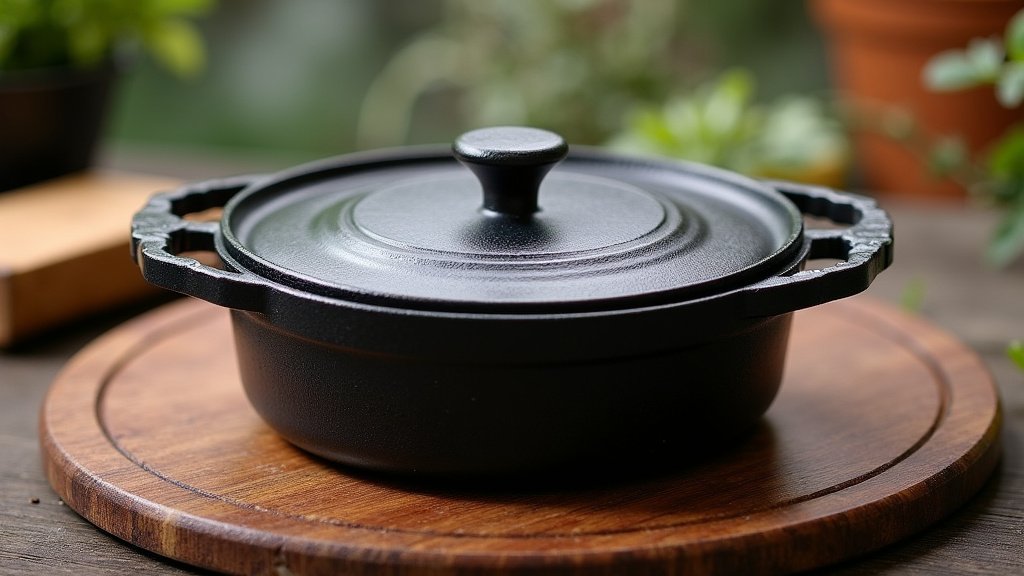
Enameled cast iron is often considered the gold standard. It takes the best qualities of traditional cast iron and adds a protective, non-reactive enamel coating. This coating makes a big difference in how you use and care for it.
This material is known for its excellent heat retention. It keeps your food warm for a long time, perfect for serving directly at the table. We found that its even heat distribution helps prevent hot spots, which means your food cooks more uniformly (Food Network Kitchen).
The Benefits You’ll Love
Why do so many home cooks rave about enameled cast iron? For starters, you get the amazing heat properties of cast iron without the usual fuss. No need to season it. That’s a huge time-saver.
- Easy to Clean: The smooth enamel surface is non-stick and simple to wipe down. Food doesn’t tend to stick as much.
- Non-Reactive: You can cook acidic foods like tomato sauces or wine-based dishes without worry. The enamel protects the iron from reacting with these ingredients.
- Versatile: It goes from stovetop to oven to table seamlessly. You can braise, roast, bake, or fry.
- Beautiful Colors: Many brands offer a wide array of colors. You can match it to your kitchen decor.
Considerations for Enameled Cast Iron
While fantastic, enameled cast iron isn’t without its points to consider. You’ll want to be aware of these before buying.
- Weight: It’s heavy. Lifting a full 6-quart Dutch oven can be a workout.
- Cost: High-quality enameled cast iron can be pricey. It’s an investment, but it often lasts a lifetime.
- Chipping: The enamel can chip if dropped or if metal utensils are used too aggressively. Take care to avoid impact and use wooden or silicone tools.
Bare Cast Iron: The Traditional Workhorse
Bare cast iron is the classic choice. It’s a no-frills, durable cooking tool that has been around for centuries. Many families have a seasoned cast iron pan passed down through generations.
It’s essentially pure iron, often blended with a tiny bit of carbon. This combination makes it incredibly strong and gives it its signature heat-holding power.
Why Choose Bare Cast Iron?
If you love cooking with history and don’t mind a little maintenance, bare cast iron might be for you. It builds a beautiful non-stick surface over time.
- Exceptional Heat Retention: Like its enameled cousin, bare cast iron holds heat very well. This makes it perfect for searing and slow cooking.
- Incredibly Durable: You can’t easily break a bare cast iron Dutch oven. It can last for decades, even centuries, with proper care.
- Affordable: Generally, bare cast iron is more budget-friendly than enameled versions.
- Natural Non-Stick (with seasoning): With regular use and proper seasoning, it develops a fantastic non-stick surface.
The Bare Cast Iron Learning Curve
Bare cast iron requires a specific kind of love. It’s not difficult, but it’s different from non-stick or stainless steel pans. We found that seasoning is the most important part (Cook’s Illustrated).
- Requires Seasoning: You need to oil it regularly and bake it to create a non-stick, rust-resistant layer. This is called seasoning.
- Reactive: Acidic foods can strip the seasoning and impart a metallic taste to your food. It can also cause rust.
- Can Rust: If not dried properly after washing, it will rust. You must dry it thoroughly and lightly oil it after each use.
- Heavy: Just like enameled cast iron, it’s a hefty piece of cookware.
Ceramic and Stoneware: The Lighter Options
When you hear “ceramic Dutch oven,” it often refers to pots made entirely of clay or stoneware, or sometimes metal pots with a ceramic glaze. These options tend to be lighter than cast iron.
They offer a different cooking experience. You might find them appealing if weight is a big concern for you or if you prefer a non-metal cooking surface.
The Appeal of Ceramic and Stoneware
These materials have their own unique advantages. They are often chosen for their aesthetic and specific cooking properties.
- Lighter Weight: This is a big plus for many home cooks. It’s easier to lift and move around your kitchen.
- Non-Reactive: Like enameled cast iron, ceramic and stoneware won’t react with acidic ingredients.
- Good for Slow Cooking: They distribute heat gently and evenly, making them great for stews and casseroles.
- Easy to Clean: Most ceramic surfaces are naturally non-stick and simple to wash.
Potential Downsides to Consider
While lighter, ceramic and stoneware have their limitations. You’ll want to handle them with care.
- Less Durable: They are more prone to chipping, cracking, or breaking if dropped or subjected to sudden temperature changes (thermal shock).
- Poor Browning: They don’t typically get as hot as cast iron, so they aren’t as good for searing or achieving a deep brown crust.
- Heat Retention Varies: While good for slow, even heat, their heat retention usually isn’t as long-lasting as cast iron.
Stainless Steel and Aluminum: Less Common Choices
You’ll also find Dutch ovens made from stainless steel or aluminum. While these materials are common for other types of cookware, they are less popular for Dutch ovens. Why?
They typically don’t offer the same level of heat retention and distribution that makes a Dutch oven so special for slow cooking and braising. However, they do have some distinct features.
Why You Might Choose These
These materials have advantages for certain uses. You might pick them for their lightness or reactivity.
- Stainless Steel:
- Non-Reactive: You can cook anything in it without worrying about metallic flavors.
- Dishwasher Safe: Many stainless steel pots are safe for the dishwasher, making cleanup super easy.
- Lighter Than Cast Iron: Significantly less heavy, which is a big plus for some.
- Aluminum:
- Very Lightweight: Often the lightest option available.
- Excellent Heat Conductor: Heats up very quickly.
- Affordable: Usually the least expensive material.
The Trade-Offs You’ll Face
These materials have drawbacks that make them less ideal for traditional Dutch oven cooking. You might find they don’t quite hit the mark for what you want.
- Stainless Steel:
- Poor Heat Retention: It doesn’t hold heat nearly as well as cast iron.
- Uneven Heating: Can develop hot spots, leading to inconsistent cooking without an aluminum or copper core.
- Aluminum:
- Reactive: Can react with acidic foods, potentially altering flavor and color.
- Poor Heat Retention: It cools down very quickly once removed from heat.
- Less Durable: Can dent or scratch more easily than other materials.
Making Your Decision: A Quick Checklist
Still wondering which one is right for you? Think about these key points. Your ideal Dutch oven will match your cooking habits and preferences.
- Do you mind heavy cookware?
- Are you willing to do extra seasoning and care?
- Do you often cook acidic dishes like tomato sauce?
- Is budget a primary concern for you?
- Do you need something that goes from oven to table?
- How important is durability against drops and impacts?
| Material | Heat Retention | Maintenance | Reactivity | Durability | Typical Weight |
|---|---|---|---|---|---|
| Enameled Cast Iron | Excellent | Low | Non-reactive | Very High (except chips) | Heavy |
| Bare Cast Iron | Excellent | High (seasoning) | Reactive | Extremely High | Heavy |
| Ceramic/Stoneware | Good | Low | Non-reactive | Moderate (fragile) | Medium/Light |
| Stainless Steel | Fair | Low | Non-reactive | High | Light |
| Aluminum | Poor | Low | Reactive | Moderate | Very Light |
Conclusion
Choosing the best Dutch oven material comes down to your priorities. While enameled cast iron is our top recommendation for its versatility and low maintenance, bare cast iron offers unmatched durability for those who appreciate traditional care. Ceramic and lighter options suit different needs, emphasizing weight or specific cooking styles.
You now have a clear understanding of each material’s strengths and weaknesses. Consider your cooking frequency, the types of dishes you make, and how much maintenance you’re willing to do. Pick the one that will genuinely enhance your time in the kitchen.
Go ahead, select your perfect Dutch oven and start creating delicious meals!
Frequently Asked Questions
Is an expensive Dutch oven really worth the money?
Often, yes, particularly for enameled cast iron. Higher-priced Dutch ovens typically use better quality enamel, which is more resistant to chipping and staining. They also often provide superior heat distribution and retention, making them a lasting investment for your kitchen.
Can I use a Dutch oven on an induction cooktop?
Most cast iron Dutch ovens (both bare and enameled) are compatible with induction cooktops because they are magnetic. However, ceramic or stoneware Dutch ovens are generally not induction-compatible unless they have an added induction-safe base. Always check the manufacturer’s specifications.
How do I prevent my enameled Dutch oven from chipping?
To prevent chipping, always use silicone or wooden utensils, avoid sudden temperature changes (thermal shock), and handle your Dutch oven gently. Don’t drop it or bang it against hard surfaces. Store it carefully, perhaps with a pot protector, to prevent contact with other cookware.
What’s the ideal size Dutch oven for a family of four?
For a family of four, a 5-quart to 7-quart Dutch oven is usually ideal. This size is versatile enough for cooking soups, stews, roasts, and even baking bread. If you frequently cook larger batches or for guests, consider a 7-quart or larger.
Can I put my Dutch oven in the dishwasher?
It depends on the material. Enameled cast iron and bare cast iron should generally not go in the dishwasher, as it can damage the enamel or strip the seasoning, respectively. Some ceramic or stainless steel Dutch ovens might be dishwasher safe, but hand washing is often recommended to prolong their life.
