Dutch Oven vs Instant Pot: Which Should You Choose? (November 2026)
Choose a Dutch oven for braising, browning and oven baking, and choose an Instant Pot style electric pressure cooker for speed and set and forget meals. In this dutch oven vs instant pot comparison, your cooking style matters more than raw capacity, since both options here hold 6 quarts.
On this page (13 sections)
- Dutch oven vs Instant Pot: the quick verdict
- The two side by side in daily use
- How traditional braising changes the result
- How electric pressure cooking changes the result
- Speed, timing and effort
- Browning, sauteing and building flavor
- Capacity, footprint and storage
- Stovetop, oven and countertop use
- Cleaning, care and long term upkeep
- Which foods suit each pot best
- Cost of ownership and what you give up
- Who should buy which one
- Final verdict for dutch oven vs instant pot
Choose a Dutch oven for braising, browning and oven baking, and choose an Instant Pot style electric pressure cooker for speed and set and forget meals. In this dutch oven vs instant pot comparison, your cooking style matters more than raw capacity, since both options here hold 6 quarts.
The Lodge Essential Enamel Cast Iron Dutch Oven gives you cast iron heat retention, stovetop use and oven use to 500 degrees Fahrenheit.
The Cosori Pressure Cooker 6QT gives you sealed pressure cooking, saute, slow cook, steam and keep warm functions in one electric unit.
Both pots hold 6 quarts, so size alone will not decide this. Think about how you cook most nights and how much active time you want.
Our score weighs specs, features and buyer feedback against what you are shopping for. We compared specs and features for each option below, and we checked how each one fits traditional braising and electric pressure cooking.
 Best for braising and baking
Lodge Essential Enamel Cast Iron Dutch Oven
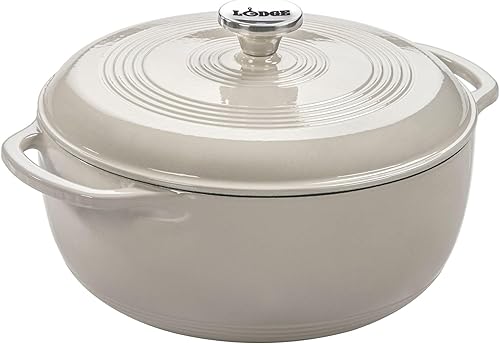 Best for classic stovetop to table cooking
Lodge Essential Enamel Cast Iron Dutch Oven
Dutch oven vs Instant Pot: the quick verdict
The Dutch oven wins for flavor building and oven work, and the electric pressure cooker wins for speed and automation. Pick the Lodge pot if you like searing, simmering and baking.
Pick the Cosori if you want tough foods done fast with less monitoring.
A Dutch oven uses direct heat from a burner or oven. An electric pressure cooker uses sealed heat and steam inside a powered base.
That difference shapes texture. Slow braising in cast iron often gives a rich, rounded result.
Pressure cooking gives tender results in far less time, with a different kind of softness.
Neither choice suits everyone. A cook who bakes bread will miss a Dutch oven.
A cook who makes beans several times a week will miss pressure cooking.
The two side by side in daily use
Both hold 6 quarts, but they use heat in opposite ways. The Lodge Dutch oven weighs 13.5 pounds in Island Spice Red and 14.9 pounds in Oyster White.
The Cosori weighs 11.9 pounds and measures 13.4 x 12.6 x 12.5 inches.
The Lodge pot measures 13.25 x 13.25 x 6 inches in the listed dimensions for the red version. It has dual handles and a cast iron lid with a moisture-sealing design.
The Cosori includes a 6.0 quart pressure cooker, inner pot, steam rack, recipe book and user manual. It runs at 1100W on 120V and uses touch and manual physical button controls.
The Aroma ARC-5000SB is a different electric option in this group. It holds 10 cups uncooked and 20 cups cooked, runs at 500 watts and focuses on rice, steaming and slow cooking.
| Product | Best for | Capacity | Material | Oven Safe | Our score |
|---|---|---|---|---|---|
| Lodge Essential Enamel Cast Iron Dutch Oven | braising and baking | 6 quarts | Cast Iron | 500 degrees Fahrenheit | 9.6 |
| Lodge Essential Enamel Cast Iron Dutch Oven | classic stovetop to table cooking | 6 quarts | Cast Iron | 500 degrees Fahrenheit | 9.5 |
| Cosori Pressure Cooker 6QT | fast pressure cooking | 6 quarts | Stainless steel | 9.4 | |
| Aroma Housewares Professional Plus ARC-5000SB 20 Cup | rice, steaming and slow cooking | 10 cups uncooked | Non-stick Coated | 9.2 |
How traditional braising changes the result
Traditional braising rewards patience and gives you browning you cannot get from sealed pressure alone. In a Dutch oven, you can sear meat on the stovetop, add liquid and vegetables, cover the pot and finish the dish in the oven.
Cast iron holds heat evenly across the bottom and sidewalls. That steady heat helps a braise stay at a gentle simmer without hot spots.
The Lodge enamel surface stands up to acidic ingredients and will not react with food, according to Lodge. That matters for tomato sauces, wine braises and marinades.
A moisture-sealing lid keeps steam in during long cooking. You get tender meat, soft vegetables and a sauce that has time to come together.
Our guide to what makes a good dutch oven helps you judge weight, lid fit and handle design before you buy.
How electric pressure cooking changes the result
Electric pressure cooking uses sealed steam to cook tough foods fast, which suits beans, grains and broths. The Cosori lists 9-in-1 functions, including pressure cook, rice, steam, sterilize, oatmeal, stew, bean, meat and slow cook.
It also lists saute, ferment, sous vide and keep warm in its function list. That range means one appliance can handle several jobs, though it still cannot bake bread or roast in an oven.
For beans, pressure can cut hours to a fraction of that time. For rice and grains, a preset can reduce guessing and watching.
The Cosori has a ceramic coating inner pot and a dishwasher safe lid and accessories. Lodge says its pot is dishwasher safe, but hand washing with warm soapy water and a nylon scrub brush is recommended.
Pressure cooking also changes texture. Vegetables can soften quickly, so timing and release method matter.
Speed, timing and effort
The electric pressure cooker is faster for many weeknight meals, while the Dutch oven often needs less setup and no waiting for pressure. A bean soup that takes hours in a Dutch oven can cook much faster under pressure.
The Cosori uses an easy lid locking method. You align the orange dot on the lid with the orange dot on the base and twist clockwise.
Steam release needs care with watery foods. Cosori notes that soups and stews can splatter with quick release, so natural release for a few minutes is often used first.
A Dutch oven has no pressurizing step. You sear, add ingredients, cover and cook, and you can lift the lid to taste or adjust.
Browning, sauteing and building flavor
Browning is a clear Dutch oven advantage, though an electric cooker can saute before pressure cooking. Cast iron gets hot and stays hot, so meat can develop a crust before liquid goes in.
That crust adds flavor to the braising liquid. It also helps sauces look richer and taste deeper.
The Cosori includes saute as one of its functions. You can brown ingredients in the inner pot before sealing the lid and switching to pressure.
Still, the cooking environment differs. A Dutch oven can finish uncovered or with the lid slightly ajar to reduce liquid.
A pressure cooker stays sealed during pressure cooking.
For bread, the gap is wider. The Lodge pot lists bread baking as an ideal use.
An electric pressure cooker cannot replace that oven based method.
If you often compare wide pots for searing, read our Dutch Oven vs Braiser: Which Should You Choose? guide next.
Capacity, footprint and storage
Capacity matches at 6 quarts, but the shape and storage needs differ. The Lodge Dutch oven is round with a 10.75 inch diameter in the red version and 10.9 inches in the white version.
Its low height and dual handles help it move from stovetop to oven to table. It also works for marinating, baking, simmering and refrigerating, according to Lodge.
The Cosori is a taller electric appliance. It needs counter space, ventilation room and an outlet.
Weight matters for lifting. The Lodge pots weigh roughly 13.5 to 14.9 pounds empty, so a full braise can be heavy to move.
The Cosori weighs 11.9 pounds empty and will be lighter to carry when full, but you still lift a hot, sealed appliance with care.
Stovetop, oven and countertop use
The Dutch oven moves between stovetop and oven, while the electric cooker stays on the counter. Lodge says its Dutch oven is stovetop compatible and oven safe to 500 degrees Fahrenheit.
It works on gas, electric, ceramic and induction cooktops, according to Lodge. That range makes it a true multi spot pot.
The Cosori needs a stable counter surface and a power outlet. It has a stainless steel exterior, fingerprint resistant housing and a 0.5 inch widened pot gap for cleaning.
You cannot put the Cosori in an oven to finish a dish. You also cannot use it on a burner to sear with direct flame.
If your kitchen has limited oven space, think about when each pot will live. A Dutch oven can store in a cabinet, while an electric cooker often stays out for daily use.
Cleaning, care and long term upkeep
Enamel cast iron and electric pressure cookers both reward gentle care, but the routines differ. Lodge recommends hand washing its Dutch oven with warm soapy water and a nylon scrub brush to keep it in good shape.
Avoid harsh scrubbing that can chip enamel. Use wooden or silicone tools where possible, and let the pot cool before washing.
The Cosori has a ceramic coating inner pot, dishwasher safe lid and accessories. Its stainless steel housing is fingerprint resistant, which helps with daily wipes.
Check seals and valves on any pressure cooker before use. A damaged seal can affect pressure and safe operation.
Care routine for a Dutch oven vs Instant Pot style cooker
Wash the Lodge pot by hand after most uses, dry it well and store it where the enamel will not chip. Keep the lid stored to avoid rim damage.
Wash the Cosori inner pot and accessories as directed, check the seal and let parts dry before storage. Follow the manual for valve and float care.
Which foods suit each pot best
Dutch ovens suit braises, bread, roasts and sauces that benefit from long, open or covered cooking. The Lodge pot lists braising, roasting, baking and simmering as core uses.
Chicken, beef, beans and vegetables can all work, but the end texture will be slow cooked. That style suits stews you want to eat with a spoon and sauce you can spoon over rice or mash.
Electric pressure cookers suit beans, lentils, grains, broths, curries and stews that need speed. The Cosori lists bean and grain, meat and poultry, stew and broth, rice and oatmeal functions.
The Aroma suits rice, steamed vegetables, soups and simple slow cooked dishes. Its steam tray lets vegetables cook above rice or soup below.
For one pot meals in general, our Best Dutch Oven For One Pot Meals guide shows how a 6 quart size fits family portions.
If you also use a countertop oven, check Can You Use A Dutch Oven In Toaster Oven? before you try to fit one inside.
Cost of ownership and what you give up
You give up oven baking with an electric cooker, and you give up speed and automation with a Dutch oven. That trade off is the heart of dutch oven vs instant pot for everyday meals.
A Dutch oven has no cord, no control panel and no pressure valve to learn. It can last for years with basic care, and it works during a power outage on a gas burner.
An electric pressure cooker adds presets, timers and keep warm. It can also add counter clutter, a power cord and more parts to clean.
The Cosori lists 12 safety features, including a double layer anti scalding lid and overheat protection. It also uses a seal and vent button away from the steam release valve, with a 30 degree backward angled steam release design.
Lodge says its enamel Dutch oven is PFAS free and non toxic in its care notes. It also says the pot gives cast iron benefits without fear of rust, due to the enamel coating.
Who should buy which one
Buy the Lodge Dutch oven if braising, browning, baking and serving from one pot matter most to you. It suits cooks who like stovetop to oven meals and want a pot that can marinate, cook, refrigerate and serve.
Buy the Cosori if speed, beans, grains and hands off cooking matter most. It suits busy households that want pressure cooking plus saute, steam, rice and slow cook in one unit.
Buy the Aroma if rice is the center of your meals. It suits families that cook large batches of rice and want steamed vegetables above it.
Many buyers mention weight as a factor with cast iron. If lifting a full pot is hard for you, an electric cooker may be easier to move, though it still needs care with hot contents.
If you slow cook often but want a non electric option, compare shapes in Dutch Oven vs Crock-Pot: Which Should You Choose?.
If you roast whole birds or large cuts, Dutch Oven vs Roaster: Which Should You Choose? may help more.
Final verdict for dutch oven vs instant pot
Pick the Lodge Dutch oven for traditional braising and oven work, and pick the Cosori for fast pressure cooking and everyday automation. In dutch oven vs instant pot terms, the winner depends on your most common meals.
If you make pot roast, tomato sauce, bread or slow Sunday stews, the Dutch oven fits better. If you make beans, rice, broths and weeknight curries, the electric pressure cooker fits better.
Both 6 quart options can feed a family, but they cook in different ways. Cast iron builds flavor through browning and long simmering.
Pressure builds speed through sealed steam and presets.
Use this rule. Choose the Lodge Essential Enamel Cast Iron Dutch Oven if you want one pot for browning, braising, baking and serving.
Choose the Cosori Pressure Cooker 6QT if you want one appliance for pressure cooking, saute, steam, rice, slow cooking and keep warm.
For rice led meals, the Aroma ARC-5000SB is a useful third path. It will not pressure cook or bake, but it handles rice, steaming and slow cooking with simple controls.
Start with the method you will use most this month. That choice will tell you more than any spec list.
Frequently asked questions
Is a Dutch oven or an Instant Pot better for everyday meals?
A Dutch oven is better when you brown, braise and bake in one pot, while an electric pressure cooker is better when you want beans, grains and soups ready fast. Both options here hold 6 quarts, so choose by method and time rather than size alone.
Can a Dutch oven do everything an Instant Pot can do?
No. A Dutch oven cannot cook under sealed pressure, time rice automatically or switch to keep warm on its own.
It can braise, simmer, bake and roast on stovetop and in an oven, which gives it a different set of strengths.
Can an Instant Pot replace a Dutch oven for braising?
It can make tender braises quickly under pressure, but the texture and browning differ from slow oven braising. If you want deep browning, a crisp top or bread baking, a Dutch oven remains the better tool.
Which is easier to clean after a stew?
An electric pressure cooker often has a removable inner pot and dishwasher safe parts, while a Dutch oven usually needs hand washing to protect enamel. Check the exact care instructions for your model, since construction and coating change the routine.


