How to Cook Roast Beef in a Dutch Oven
Brown the beef, add a small amount of liquid, cover the Dutch oven, and cook gently until the roast is tender. Check the center with a thermometer before serving.
On this page (8 sections)
- What do you need for a Dutch oven roast beef recipe?
- Which Dutch oven suits roast beef?
- How do you prepare the beef before cooking?
- How do you make the covered braise?
- How long should roast beef cook in a Dutch oven?
- How do you finish and serve the roast?
- What mistakes make Dutch oven roast beef tough?
- Can you use the same Dutch oven for other meals?
A Dutch oven roast beef recipe works best when you brown the meat first, add vegetables and a little liquid, then cook the covered pot slowly until the beef is tender. The heavy pot helps hold heat, while the lid keeps moisture inside.
That combination matters for a home cook because the meat spends two different stages in the same vessel. It browns on the stovetop first, then braises gently under a lid.
This method suits chuck roast, brisket, and other cuts that improve with slow braising. Those cuts have connective tissue that needs time and moist heat to soften.
The goal is not just a browned outside. A dark crust adds flavor, but the covered stage does most of the work that makes the roast tender.
It is beef that cuts easily, vegetables that hold their shape, and enough cooking liquid for a useful sauce. Each part needs a different amount of time in the pot.
Vegetables added too early can fall apart before the beef is ready. Liquid added to cover the roast can turn the dish into a stew instead of a braise.
The Dutch oven helps you manage those trade offs in one place. You can brown, build the braise, and serve without moving the food to a second pan.
That ease suits weeknight meals as well as longer weekend cooking. You can prepare the pot, set it to cook gently, and check it only at intervals.
It also suits cooks who want leftovers that reheat well. Moist, slow cooked beef stays more forgiving than meat cooked fast over high heat.
The result should look simple when it reaches the table. The method behind it is patient, but the steps at the stove stay short and clear.
What do you need for a Dutch oven roast beef recipe?
You need a beef roast, oil for browning, vegetables, seasoning, and a small amount of cooking liquid. A heavy Dutch oven with a fitted lid gives you the covered environment needed for a steady braise.
A basic ingredient list can include:
- 1 beef roast
- Salt and black pepper
- Cooking oil
- Onion, carrots, and potatoes
- Garlic or dried herbs, if desired
- Beef stock, water, or another suitable braising liquid
The exact quantity depends on the roast size and pot size. Leave enough room to lift the beef out without spilling hot liquid.
Salt and pepper should be added before browning so the surface seasons as it cooks. Oil is for the first stage, since the pot needs a thin coat to brown the meat evenly.
Onion and carrots soften in the fat left after browning and add body to the liquid. Potatoes need more space, so add them only if the roast is not already filling the pot.
Garlic and dried herbs are optional and should go in with the vegetables rather than over direct high heat. That keeps their flavor in the braise without letting them scorch.
If you're new to this cookware, What Is a Dutch Oven Used For? explains why the same pot can handle browning, simmering, baking, and roasting.
Which Dutch oven suits roast beef?
The best shape depends on the roast size, the amount of vegetables, and whether you want a skillet lid or an enamel surface. A deeper Dutch oven gives more room for liquid and vegetables, while a braiser offers a wider cooking surface.
The Lodge Cast Iron Double Dutch Oven has a 5-quart title capacity and a 2-in-1 pot and skillet design. It includes a Dutch oven and lid, and its cast iron construction is suited to searing, baking, roasting, stovetop cooking, grills, and campfires.
For outdoor meals, see Dutch oven camping recipes.
Its cast iron lid can help retain heat and moisture during the covered stage. Hand wash it and follow the oven-safe care instructions.
The Lodge Essential Enamel Cast Iron Braiser has a 3.6-quart capacity and a moisture-locking lid. Its wide dual assist handles suit moving the pan from stovetop to oven to table, while the enamel surface needs no seasoning.
It is oven safe up to 500°F, induction safe, and compatible with gas, electric, ceramic, and induction cooktops. Hand washing is recommended in the care instructions.
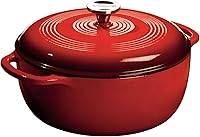
The Lodge Essential Enamel Cast Iron Dutch Oven holds 6 quarts and has a cast iron lid with dual handles. Its enamel finish supports marinating, roasting, baking, simmering, refrigerating, and serving in one pot.
It is oven safe up to 500°F and works with gas, electric, ceramic, and induction cooktops. Warm, soapy water and a nylon scrub brush are recommended for care.
How do you prepare the beef before cooking?
Pat the roast dry, season it well, and let the surface sit briefly before browning. A dry surface browns more easily than wet meat, and seasoning gives the finished roast more flavor.
Trim only large pieces of excess fat if needed. Keep enough fat to support flavor and moisture during the long cooking time.
Set the Dutch oven over medium heat and add enough oil to coat the bottom. Brown the roast on several sides, turning it carefully with sturdy tongs.
Don't rush this stage. Browning adds flavor, but the roast does not need to cook through before the lid goes on.
For broader cookware guidance, read how to cook with a dutch oven before choosing heat levels or moving a hot pot.
How do you make the covered braise?
Remove the browned beef, soften the vegetables, then return the roast with liquid before covering the pot. This builds flavor in layers and keeps the cooking liquid from washing away the browned surface.
Add the onion and carrots to the same pot. Stir them through the cooking fat and browned bits until they begin to soften.
Add garlic or herbs if you use them. Pour in a modest amount of stock or water, scraping the bottom with a wooden or silicone utensil.
Return the roast to the pot. The liquid should reach partway up the beef, not cover the entire roast.
Add potatoes around the meat if there is room. Keep vegetables partly above the liquid so they braise instead of becoming fully boiled.
Cover the Dutch oven and move it to a moderate oven. Cook until the beef is fork-tender, checking the liquid level occasionally if your cooking time is long.
A covered Dutch oven traps steam, but the pot still needs enough liquid to prevent scorching. If the liquid is nearly gone, add more hot stock or water carefully.
How long should roast beef cook in a Dutch oven?
Cook by tenderness rather than by the clock alone. A roast's cut, thickness, starting temperature, and oven setting all affect the time.
Begin checking after a few hours of covered cooking. Insert a fork or thin knife into the thickest part.
When it meets little resistance, the roast is ready for the next step.
A thermometer helps you check the center, but a pot roast may remain firm even after reaching a temperature that is safe for another style of beef preparation. Connective tissue needs time to soften.
If you prefer oven-specific comparisons, see How To Cook Roast Beef In Gas Oven? and How To Cook Roast Beef In Electric Oven?.
How do you finish and serve the roast?
Rest the beef before slicing, then taste the braising liquid and adjust it if needed. Resting gives hot juices time to settle and makes the roast easier to portion.
Transfer the beef to a board and cover it loosely. Leave the vegetables in the pot or move them to a serving dish.
Skim excess fat from the surface of the liquid. You can serve the cooking liquid as a thin sauce or reduce it gently in the uncovered Dutch oven if the cookware and heat source allow.
Slice the roast across the grain when possible. If the beef is very tender, it may be easier to separate it into pieces with a fork.
Serve with the vegetables and enough sauce to keep the meat moist. Refrigerate leftovers promptly in shallow containers.
What mistakes make Dutch oven roast beef tough?
The most common causes are too little cooking time, too much heat, or not enough liquid. Tough beef does not always mean it is overcooked.
A braising cut can be firm because its connective tissue has not softened yet.
Avoid cutting the roast repeatedly to check it. Use a thermometer or a fork test instead, and keep the lid closed as much as possible.
Don't boil the meat aggressively. A gentle oven braise is easier to control than a fast simmer that can dry the outside before the center becomes tender.
Choose a pot with enough capacity for the roast and vegetables. The 6-quart Lodge Essential Enamel Cast Iron Dutch Oven gives more room than the 3.6-quart braiser, while the 5-quart Lodge Double Dutch Oven offers a pot and skillet combination.
Can you use the same Dutch oven for other meals?
Yes. A Dutch oven can move from roast beef to chicken, soup, bread, and other covered meals.
Its heat retention makes it useful for recipes that need steady cooking rather than quick temperature changes.
For another meat-based meal, see dutch oven chicken. For a liquid-rich meal, browse dutch oven soup recipes.
Choose the Lodge Double Dutch Oven if the skillet-lid design and indoor or outdoor flexibility matter most. Choose the 3.6-quart braiser for a wide, enameled pan and smaller batches.
Choose the 6-quart enameled Dutch oven when you need more space for a larger roast, vegetables, and braising liquid.
For this Dutch oven roast beef recipe, the decision is simple: brown first, keep the liquid below the top of the roast, cover the pot, and cook until the beef is tender.
Frequently asked questions
What cut of beef is best for a Dutch oven roast?
Chuck roast is a common choice because its connective tissue softens during covered, slow cooking. Brisket and round can also work, but the timing and final texture may differ.
Choose a roast that fits the pot with space around it for vegetables and liquid.
How much liquid should I put in a Dutch oven roast?
Add enough liquid to cover the lower part of the roast without submerging it completely. The covered pot holds steam, while the liquid supports braising.
Too much liquid can make the dish more like a stew, so start with a modest amount.
What temperature should roast beef reach?
Use a food thermometer and follow the target for your chosen cut and preferred doneness. For a pot roast cooked until tender, the roast usually needs more time than a thermometer-only steak method because connective tissue must soften.
Can I cook roast beef in an enameled Dutch oven?
Yes. An enameled Dutch oven is suited to covered roasting and braising, and its smooth cooking surface does not need seasoning.
Check the cookware's oven limit, use suitable utensils, and follow the care instructions after cooking.