
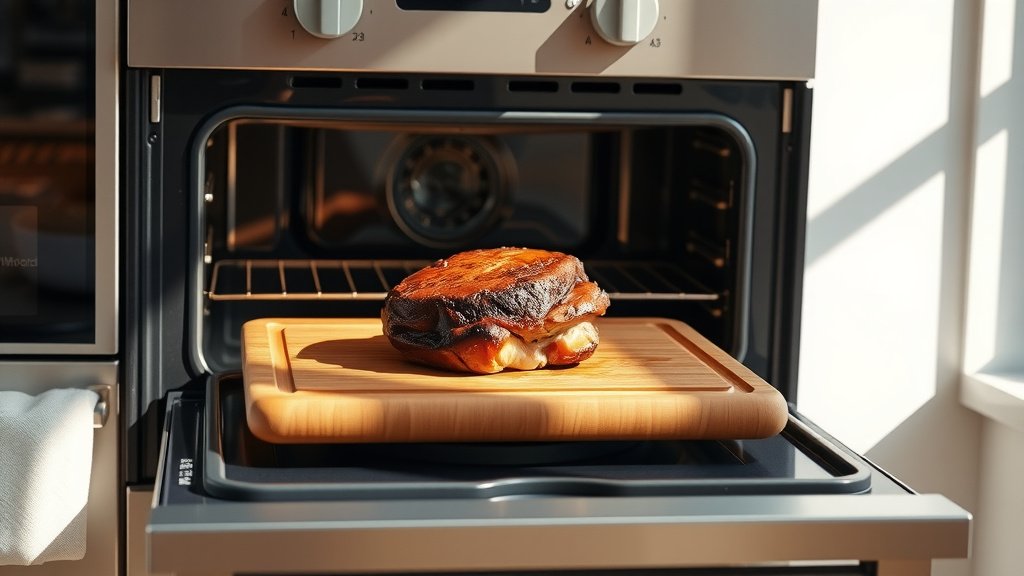
Cooking a flavorful roast beef in a gas oven involves preheating your oven to a high temperature, searing the meat, then reducing the heat to slow-roast it to your desired internal doneness. A gas oven often provides a moist cooking environment, which can help keep your roast tender and juicy.
You’ll want to use a reliable meat thermometer to ensure your roast reaches the perfect internal temperature for a delicious, safe, and perfectly cooked result every single time.
Here’s a quick overview of how to cook roast beef in a gas oven:
- Choose a good cut, like sirloin or eye round.
- Preheat your gas oven to 450°F (230°C).
- Sear the roast on the stovetop for a nice crust.
- Roast at 450°F for 15-20 minutes, then drop to 325°F (160°C).
- Use a meat thermometer to check doneness, aiming for 120-130°F for medium-rare.
- Always rest your roast for 15-20 minutes before slicing.
How To Cook Roast Beef In Gas Oven?
Cooking roast beef in your gas oven is a rewarding experience. You get a tender, flavorful meal that can feed a crowd. The trick is understanding how your gas oven works with the meat.
We’ll guide you through each step. From choosing the best cut to resting the finished masterpiece, you’ll master roast beef. Ready to get cooking?
Why a Gas Oven for Roast Beef?
Gas ovens can be great for roasting beef. They often retain more moisture inside the oven cavity. This can lead to a less dry, more succulent roast for you.
However, gas ovens sometimes have hot spots. You might need to rotate your roast. This ensures even cooking and a beautiful crust all around.
Choosing the Perfect Roast Beef Cut
The journey to amazing roast beef starts with the cut of meat. Selecting the right one makes a huge difference. Think about your budget and how tender you want it.
For a truly special occasion, a rib roast or standing rib roast is a fantastic choice. We found these offer incredible flavor. They also have good marbling for juiciness.
Everyday Delicious Cuts
If you’re looking for something more budget-friendly, consider other cuts. An eye of round roast is lean and uniform. It slices beautifully for sandwiches too.
A sirloin tip roast is also a good option. Many experts say it’s quite versatile. It delivers great flavor without breaking the bank.
Prepping Your Roast Like a Pro
Proper preparation is key to a successful roast. It helps develop flavor and ensures even cooking. Don’t skip these important steps, you’ll thank us later.
First, take your roast out of the fridge. Let it sit at room temperature for about an hour. This helps it cook more evenly from edge to center (NIH).
Getting That Perfect Sear
A beautiful crust adds so much flavor. This is where searing comes in. You can do this right on your stovetop before it hits the oven.
Heat a heavy, oven-safe pan, like cast iron, over medium-high heat. Add a touch of oil. Sear the roast on all sides until it’s deeply browned and crusty. This takes about 2-3 minutes per side.
Seasoning for Maximum Flavor
Simplicity often wins with roast beef seasoning. A good dose of salt and freshly cracked black pepper is a must. Don’t be shy with the seasoning.
You can also rub it with garlic powder, onion powder, or herbs. Rosemary and thyme are classic choices. They complement beef wonderfully.
Understanding Gas Oven Temperatures
Gas ovens can be a bit different from electric ovens. They might run a little hotter or colder. A reliable oven thermometer can confirm your oven’s true temperature.
We often recommend starting high to sear, then reducing the heat. This method helps lock in juices. It also ensures a tender interior and crispy exterior.
The Art of Roasting: Time and Temp
You’ll typically start your roast at a high temperature. Think 450°F (230°C) for 15-20 minutes. This initial burst helps form that lovely crust.
Then, you’ll drop the temperature down to 325°F (160°C). This slower cooking allows the meat to become tender without drying out. It’s a fantastic two-stage method.
Monitoring Doneness with a Thermometer
This is probably the most important step! A meat thermometer is your best friend. It takes all the guesswork out of cooking roast beef. Are you aiming for rare or well-done?
Insert the thermometer into the thickest part of the roast. Make sure it’s not touching any bone. This gives you the most accurate reading.
| Doneness Level | Internal Temperature (Remove from Oven) | Final Temperature (After Resting) |
|---|---|---|
| Rare | 120-125°F (49-52°C) | 125-130°F (52-54°C) |
| Medium-Rare | 125-130°F (52-54°C) | 130-135°F (54-57°C) |
| Medium | 130-135°F (54-57°C) | 135-140°F (57-60°C) |
| Medium-Well | 140-145°F (60-63°C) | 145-150°F (63-66°C) |
| Well-Done | 150-155°F (66-68°C) | 155-160°F (68-71°C) |
Resting Your Roast: A Must-Do Step
You’ve cooked it to perfection, now comes the hardest part: waiting! Resting your roast is absolutely essential. It makes a huge difference in juiciness.
When meat cooks, the juices move to the center. Resting allows these juices to redistribute. This results in a tender and more flavorful slice (Mayo Clinic).
Tent your roast loosely with foil. Let it rest for 15-20 minutes. This brief pause lets the magic happen before you slice it.
Slicing Your Delicious Creation
Once rested, it’s time to slice. Always slice roast beef against the grain. This means cutting across the muscle fibers. It makes the meat more tender to chew.
Use a sharp carving knife. Aim for thin, even slices. Serve immediately and enjoy your perfectly cooked roast!
Common Roast Beef Challenges
Even seasoned cooks face challenges. Don’t worry if your first roast isn’t perfect. Learning takes practice. We’ve got some tips for common issues.
Is your roast tough or dry? You might have overcooked it. Or perhaps you didn’t rest it enough. A meat thermometer prevents overcooking.
Oven Rack Placement Tips
For even cooking in a gas oven, rack placement matters. Many guidelines point to the middle rack as the best spot. This allows heat to circulate evenly around the roast.
If your roast is very large, consider a lower rack. This might keep the top from over-browning. Always monitor your roast closely.
Keeping it Juicy: Moisture Control
Gas ovens can sometimes dry out food. You can combat this! Some people like to add a pan of water to the bottom rack. This creates extra humidity.
Basting your roast isn’t usually necessary. It also lets out oven heat. Rely on the initial sear and proper temperature. That ensures a juicy interior.
Your Roast Beef Checklist
- Chosen the right cut?
- Allowed roast to come to room temperature?
- Seasoned generously?
- Seared all sides for a crust?
- Preheated gas oven correctly?
- Used a reliable meat thermometer?
- Cooked to desired internal temperature?
- Rested for 15-20 minutes?
- Sliced against the grain?
Conclusion
Cooking roast beef in a gas oven can be wonderfully simple and rewarding. It’s all about a few key steps: choosing your meat wisely, prepping it well, controlling your oven temperature, and most importantly, using a meat thermometer. With these practical tips, you can confidently create a tender, juicy, and delicious roast every time you cook. Enjoy your culinary success!
How do I prevent my roast beef from drying out in a gas oven?
To prevent roast beef from drying out, ensure you don’t overcook it by using a meat thermometer. Also, let the roast come to room temperature before cooking. Finally, always rest the roast for 15-20 minutes after taking it out of the oven. This helps the juices redistribute throughout the meat.
What’s the best temperature to cook roast beef in a gas oven?
Many experts suggest starting your gas oven at a high temperature, around 450°F (230°C), for the first 15-20 minutes. This creates a good crust. Then, reduce the temperature to a lower setting, like 325°F (160°C), to finish cooking the roast slowly and evenly.
Should I cover roast beef when cooking it in a gas oven?
Generally, you do not need to cover roast beef while it cooks in the oven. Covering it can steam the meat rather than roast it. However, if the top is browning too quickly, you can loosely tent it with foil for the last portion of cooking. Always allow the roast to rest loosely tented with foil after cooking.
How long does it take to cook a 3-pound roast beef in a gas oven?
Cooking time for a 3-pound roast beef in a gas oven varies depending on the cut and your desired doneness. For a medium-rare finish, you might expect it to take approximately 45-60 minutes after the initial high-heat sear. The most accurate way to check is always with a meat thermometer, not by time alone.
Can I use a disposable roasting pan in a gas oven for roast beef?
Yes, you can absolutely use a disposable aluminum roasting pan in a gas oven. They are convenient for cleanup. Just ensure the pan is sturdy enough to hold the roast and its juices without bending. A heavier-gauge aluminum pan is often a better choice for larger roasts.
