
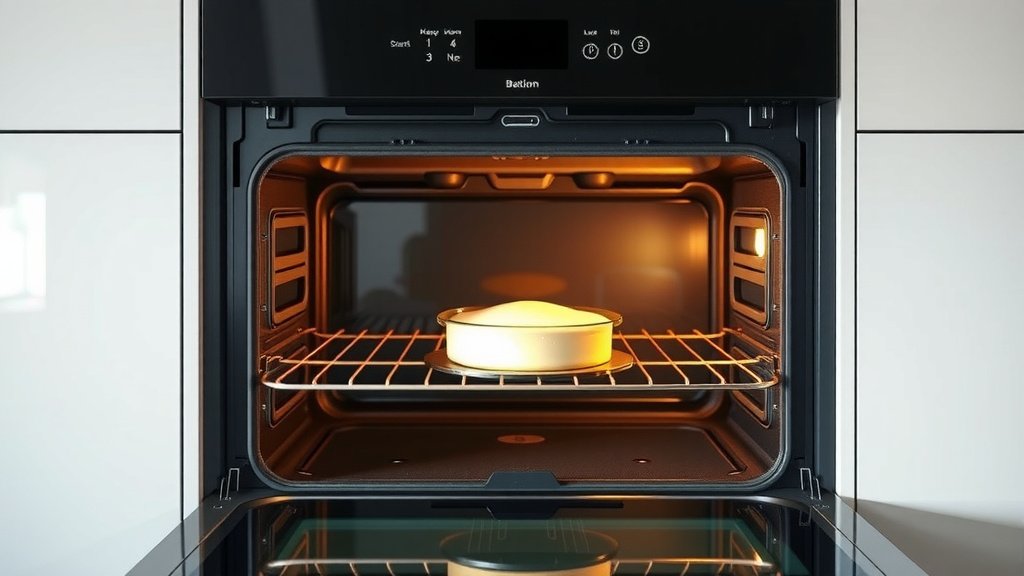
A gas oven can take long to bake because it uses a flame to heat air, which distributes heat less consistently than electric elements and can be impacted by factors like door seals, weak burners, or a faulty temperature sensor.
Often, a gas oven’s slower baking is due to inefficient heat transfer and environmental conditions, requiring more time to reach and maintain the precise temperature you set.
- Gas ovens heat with flame, causing slower, less even heat distribution.
- Common issues include poor door seals, weak burner flames, or an inaccurate temperature sensor.
- External factors like kitchen temperature and bakeware also influence baking time.
- Testing with an oven thermometer and regular maintenance can often speed things up.
Why Does Gas Oven Take Long To Bake?
Your gas oven might take longer to bake because it relies on convection of hot air from a flame. This method can heat foods less directly and less uniformly than electric coil heating, affecting your overall baking duration.
The Basic Science Behind Gas Oven Heating
When you turn on your gas oven, a burner ignites, creating a flame that heats the air inside. This heated air then circulates around your food, slowly bringing it to the desired temperature. It is a different approach compared to the radiant heat from electric elements.
Think of it like heating a room with a space heater. It takes time for the warm air to fill the entire space and warm everything evenly. Your gas oven works in a very similar, deliberate way.
Heat Distribution Can Vary
One common characteristic we found with gas ovens is their tendency to create hot and cool spots. The heat source is often at the bottom, making that area hotter. This unevenness can extend baking times as you wait for the entire dish to cook.
Rotating your baking sheet halfway through the cooking time can help overcome these natural temperature variations (many experts suggest).
How Preheat Time Is Affected
Gas ovens generally take a little longer to preheat compared to electric ovens. This is because they need to heat a large volume of air to the set temperature. Patience here is truly a virtue for consistent results.
Don’t rush the preheat process, as starting with a cold oven will definitely add extra baking minutes. Your recipe relies on that initial blast of heat.
Kitchen Environment Matters
Believe it or not, the temperature of your kitchen can play a part. If your kitchen is particularly cold, your oven has to work harder. It uses more energy to reach and hold the set temperature.
A chilly environment means the oven loses heat faster to its surroundings, much like how a hot cup of coffee cools down quicker on a cold winter day.
Common Culprits for Slow Baking
Sometimes, the issue isn’t just how gas ovens work; it might be a specific problem with your unit. Identifying these common issues can save you a lot of frustration and time.
Let’s look at some things that might be making your oven feel like it’s moving in slow motion.
Oven Door Seal Issues
Imagine trying to keep warm in a room with an open window. That’s what happens if your oven door seal, also called the gasket, is worn out or damaged. It lets precious heat escape.
You can often spot a bad seal by looking for tears or gaps around the door. A simple paper test (closing the door on a piece of paper) can reveal if the seal is tight.
Temperature Sensor Accuracy
The temperature sensor is your oven’s “brain” for heat regulation. If it’s dirty, faulty, or out of position, it might give incorrect readings. This can cause the oven to underheat or cycle improperly.
Research often connects an inaccurate sensor with poor baking results. Sometimes, simply cleaning the sensor can improve accuracy (NIH).
Burner Flame Strength
For efficient heating, your gas oven’s burner needs a strong, steady blue flame. If you see a weak, flickering, or predominantly yellow flame, it could mean improper gas flow or a dirty burner.
A weak flame simply produces less heat, forcing your oven to take much longer to reach and sustain baking temperatures.
Bakeware Choices Play a Role
Did you know your baking sheets and pans affect cooking time? Dark, heavy pans absorb heat faster, which can mean your food cooks quicker. Lighter, shiny pans reflect heat, potentially leading to longer bake times.
Always follow recipe recommendations for bakeware. Using the wrong type can cause your beautiful cookies to either burn or take ages to bake.
Confirming Your Oven’s Performance
Before you get too worried, it’s wise to double-check your oven’s actual temperature. You can do this easily with an oven thermometer.
This inexpensive tool gives you a real-time reading of your oven’s internal temperature, showing if it matches the setting. It helps you understand if you’re dealing with a true temperature gap.
-
Quick Troubleshooting Checklist
- Is the oven door sealing properly?
- Is the temperature sensor clean and functional?
- Does your burner flame look strong and blue?
- Are you using appropriate bakeware for your recipe?
- Is your kitchen unusually cold, affecting preheat?
- Have you tested your oven’s temperature with an independent thermometer?
Gas vs. Electric Ovens: A Quick Comparison
It helps to understand the fundamental differences in how these two common oven types operate. This comparison shows why gas ovens can often have a unique baking pace.
| Feature | Gas Oven | Electric Oven |
|---|---|---|
| Heating Method | Open flame, air convection | Electric heating elements (radiant heat) |
| Preheat Time | Generally longer | Generally quicker |
| Heat Consistency | Can have hot/cool spots | Often more even |
| Moisture Level | Tends to be moister | Tends to be drier |
As you can see, the heating method directly impacts factors like preheat time and internal moisture levels. This difference is why some bakers prefer one type over the other.
Actionable Steps to Improve Baking Time
Don’t despair if your gas oven is feeling sluggish. There are practical steps you can take to try and speed things up. Small changes can make a big difference in your baking routine.
Many of these tips are simple maintenance checks or minor adjustments you can do yourself.
Regular Oven Upkeep
Keeping your oven clean is more important than you might think. Baked-on food residue and grease can absorb heat, making your oven less efficient. This means it has to work harder and longer to bake.
A clean oven reflects heat better, helping it reach and maintain temperatures more effectively. Regular cleaning is a simple but impactful step.
Calibrating Your Oven
If your oven thermometer consistently shows a different temperature than what you set, your oven might need calibration. Many modern ovens allow you to adjust the internal temperature slightly. This can fix any minor discrepancies.
Check your oven’s user manual for specific instructions on how to calibrate it. It’s a useful feature for getting your oven to match your expectations.
Conclusion
Your gas oven taking longer to bake is often a combination of its inherent heating method and potential minor issues. By understanding how gas ovens operate and performing simple checks like inspecting door seals, monitoring flame strength, and using an oven thermometer, you can often diagnose and improve your baking experience. Remember, patience with preheating and regular maintenance are key to getting the most consistent and timely results from your trusty gas oven.
How long should a gas oven take to preheat?
Typically, a gas oven takes about 10-15 minutes to preheat to 350-400°F (research suggests). However, larger ovens or specific models might need a few extra minutes to reach the stable temperature required for baking.
Can dirty ovens cause slow baking?
Yes, a dirty oven with baked-on food and grease can absorb heat rather than reflecting it. This makes your oven less efficient and forces it to work harder and longer to reach and maintain the set temperature, extending bake times.
Is it normal for a gas oven to have hot spots?
Yes, gas ovens often have some temperature variations due to the way heat circulates from a single burner. This is why rotating dishes halfway through baking is a common and effective practice for achieving more even cooking.
When should I call a technician for my gas oven?
You should call a qualified technician immediately if you suspect a gas leak (like smelling gas), if your oven consistently fails to ignite, or if it doesn’t reach or hold temperature despite your troubleshooting efforts. Safety is always the primary concern.
Does the age of an oven affect its baking speed?
Older ovens may become less efficient over time. Components like igniters, temperature sensors, or door seals can wear out, leading to poorer performance and potentially longer baking durations. Regular maintenance can help prolong an oven’s efficiency.
