
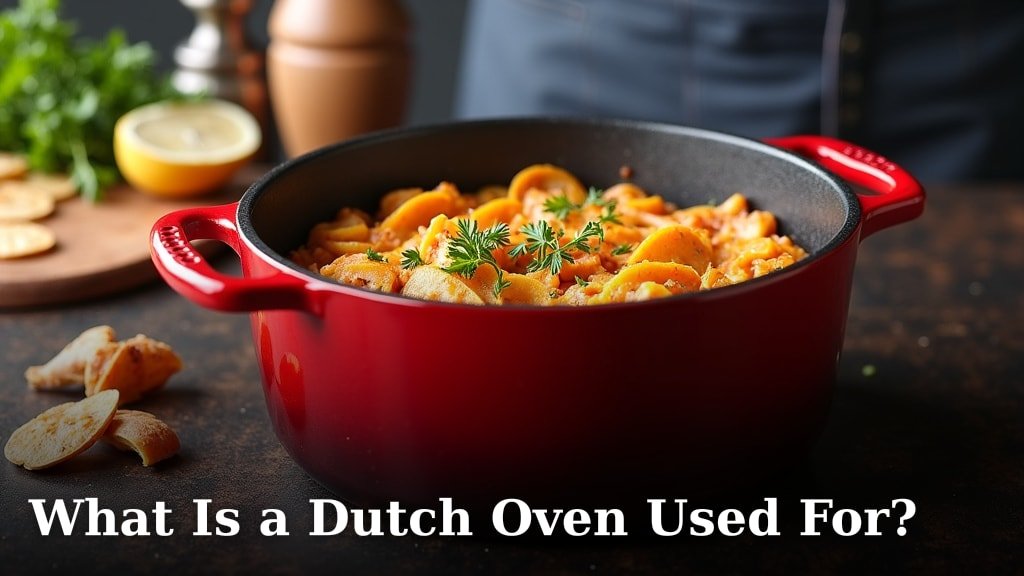
A Dutch oven is primarily used for slow-cooking and baking, making it incredibly versatile for both stovetop and oven dishes. We found that its heavy construction and tight-fitting lid create an ideal environment for consistent, even heat distribution, perfect for hearty meals.
You can use a Dutch oven for a wide array of cooking tasks, from braising meats and simmering stews to baking bread and deep frying. It truly is a workhorse in the kitchen, handling high heat and long cooking times with ease.
- Perfect for slow-cooked meals.
- Great for baking bread.
- Ideal for braising and simmering.
- Retains heat extremely well.
- Very versatile for many recipes.
Ready to discover just how amazing this kitchen staple can be? Let’s dive deeper into all the fantastic uses for your Dutch oven.
Unlocking the Potential of Your Dutch Oven
Your Dutch oven might just be the most versatile piece of cookware you own. We found it excels at a surprising number of cooking tasks, simplifying meal prep and expanding your culinary repertoire.
The Science Behind Its Versatility
What makes a Dutch oven so special? Its heavy construction, usually cast iron or enameled cast iron, allows it to retain and distribute heat incredibly well. The tight-fitting lid traps steam, creating a self-basting environment that keeps your food moist and flavorful.
Superior Heat Retention and Distribution
We found that the thick walls of a Dutch oven absorb and hold heat for a long time. This means fewer hot spots and more even cooking. Imagine perfectly cooked stews and roasts, every time.
Moisture Lock: The Self-Basting Effect
Ever wonder why your braised chicken comes out so tender? The heavy lid on your Dutch oven is the secret. It keeps moisture inside, creating a humid cooking environment that tenderizes meats and prevents dishes from drying out.
Slow Cooking and Braising Mastery
This is where your Dutch oven truly shines. It’s built for low and slow cooking, transforming tough cuts of meat and simple ingredients into rich, complex dishes.
Perfecting Hearty Stews and Chilis
From a classic beef stew to a vegetarian chili, your Dutch oven is the ideal vessel. It allows flavors to meld beautifully over hours, creating depth you just can’t achieve with faster methods.
Building Flavor on the Stovetop
You can begin your stew by browning meat and sautéing aromatics directly in the Dutch oven on your stovetop. This builds a rich flavor base before you even add liquid.
A Gentle Simmer for Tenderness
Once everything is in, the Dutch oven maintains a gentle, consistent simmer. This low heat breaks down tough fibers in meat and vegetables, making them incredibly tender.
Braising Meats to Perfection
Braising involves searing meat at high heat, then slowly cooking it in a small amount of liquid. Your Dutch oven handles this two-step process flawlessly, resulting in fork-tender dishes like pot roast or short ribs.
Baking and Roasting Wonders
Did you know your Dutch oven can go beyond savory meals? It’s surprisingly adept at baking and roasting, especially for certain types of bread and whole chickens.
The Secret to Artisan Bread
Many home bakers swear by Dutch ovens for creating bakery-quality artisan bread. The enclosed, superheated environment mimics a professional bakery oven. It creates a beautiful, crispy crust and a soft, airy interior. We found this method is a game-changer for homemade loaves.
- Preheat the empty Dutch oven in your hot oven.
- Carefully place your dough inside the hot pot.
- Bake with the lid on to trap steam for the crust.
- Finish baking with the lid off for a golden-brown finish.
Roasting Whole Chickens and Vegetables
Forget dry roasted chicken! Roasting a whole chicken in your Dutch oven keeps it incredibly moist and flavorful. You can also roast vegetables alongside it for a complete one-pot meal. The high sides contain splashes and keep your oven cleaner.
More Unexpected Uses for Your Dutch Oven
Beyond the common uses, your Dutch oven offers even more culinary possibilities. Think outside the pot and get creative!
Deep Frying Without the Mess
Its deep shape, heavy base, and excellent heat retention make it surprisingly good for deep frying. The high sides also help contain oil splatters, making cleanup a little easier. Just remember to use a thermometer to maintain the correct oil temperature for crispy results.
Making Jams, Jellies, and Candies
The thick bottom of a Dutch oven prevents scorching, which is crucial when making sugary concoctions. We found it’s perfect for simmering fruits into jams or cooking sugar syrups for candy. Its large capacity is also useful for bigger batches.
One-Pot Pasta Dishes
Imagine cooking your pasta and sauce all in one pot. Your Dutch oven makes this possible! The starchy pasta water thickens your sauce, creating a rich and flavorful meal with minimal dishes to wash.
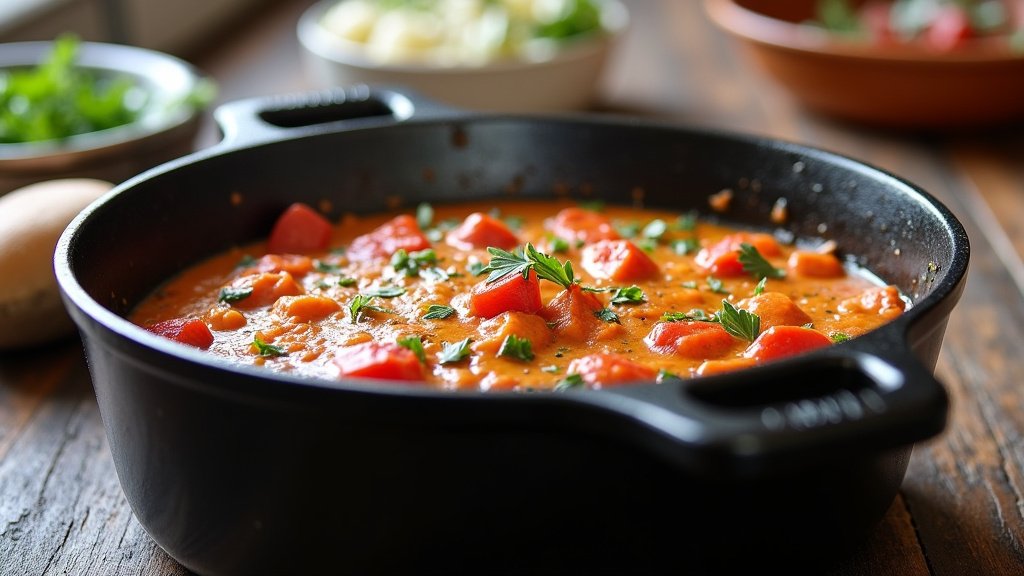
Comparing Dutch Oven Materials
While the goal is the same, how your Dutch oven is constructed affects its ideal uses and care. Each material offers unique benefits.
| Material Type | Key Characteristics | Best Uses | Care Considerations |
|---|---|---|---|
| Cast Iron (Bare) | Excellent heat retention, develops non-stick seasoning over time, very durable. | Searing, frying, baking bread, camping. | Requires seasoning, can rust if not dried thoroughly, not ideal for acidic foods for long periods. |
| Enameled Cast Iron | Even heat distribution, non-reactive with food, easy to clean, comes in many colors. | Braises, stews, soups, baking, acidic sauces. | Can chip if dropped, not usually suitable for high-heat searing for long periods (to protect enamel). |
| Ceramic/Stoneware | Good heat retention, can be lighter, often aesthetic. | Casseroles, slow roasts, oven baking. | More fragile, less stovetop friendly, poorer heat conductivity. |
You can see that while all variations excel at slow cooking, enameled cast iron offers a bit more flexibility for everyday use and acidic dishes.
Essential Dutch Oven Techniques
To truly master your Dutch oven, a few techniques will help you get the best results every time.
Sautéing & Searing
Always preheat your Dutch oven properly before adding oil or food. This ensures a non-stick surface and a good sear. We found a medium heat often works best for even browning.
Deglazing
After searing meat or vegetables, you’ll often see delicious browned bits stuck to the bottom. Don’t waste them! Add a liquid like wine, broth, or water, and scrape up those bits with a wooden spoon. This “deglazing” adds incredible flavor to your sauce.
Safe Handling
Remember, your Dutch oven will get very hot, including the lid and handles. Always use oven mitts or heat-resistant gloves when handling it, both on the stovetop and especially when pulling it out of the oven.
Is a Dutch Oven Right for Your Kitchen?
Still wondering if you need one? Consider these points about how it can benefit you:
- You love hearty, slow-cooked meals.
- You’re looking to simplify cooking with one-pot recipes.
- You enjoy baking artisan bread at home.
- You want a versatile piece of cookware that lasts a lifetime.
- You appreciate flavorful, fall-off-the-bone tender meats.
We found that a Dutch oven truly is a kitchen staple. It’s an investment that pays off in delicious meals and cooking convenience for years to come (Consumer Reports).
Conclusion
As you’ve seen, your Dutch oven is far more than just a pot. It’s a versatile powerhouse for everything from slow-cooked stews and braised meats to artisan bread and even deep-fried delights. Its ability to retain and distribute heat evenly, coupled with that moisture-locking lid, makes it indispensable for flavorful, tender results.
We found that investing in a Dutch oven truly opens up a world of culinary possibilities, simplifying complex recipes and delivering consistent deliciousness. So, why not dust yours off or consider adding one to your kitchen? Start experimenting tonight and discover the rich, comforting meals it can help you create!
Frequently Asked Questions
Is a Dutch oven good for everyday cooking?
Absolutely! While often associated with larger, slower meals, a Dutch oven can handle everyday tasks like making pasta, simmering sauces, or even quick braises. Its versatility means you might find yourself reaching for it more often than you expect.
Can I use a Dutch oven on an induction cooktop?
Yes, most Dutch ovens, especially those made from cast iron (enameled or bare), are perfectly suitable for induction cooktops. They are ferromagnetic, which means they will generate heat efficiently on an induction burner.
How do I prevent food from sticking to my Dutch oven?
For bare cast iron, proper seasoning is key. For enameled cast iron, typically preheating your Dutch oven with a little oil or fat before adding ingredients helps a lot. Avoid overly high heat, which can cause sticking and potentially damage the enamel.
What size Dutch oven is best for a family of four?
For a family of four, we recommend a Dutch oven in the 5 to 7-quart range. This size is usually large enough to comfortably cook a whole chicken, a substantial stew, or a loaf of bread, offering great flexibility for various recipes.
Do Dutch ovens need special cleaning?
It depends on the material. Bare cast iron requires hand washing, drying completely, and re-seasoning to prevent rust. Enameled cast iron is much easier to clean and can often go in the dishwasher, though hand washing is recommended to preserve the finish.
