
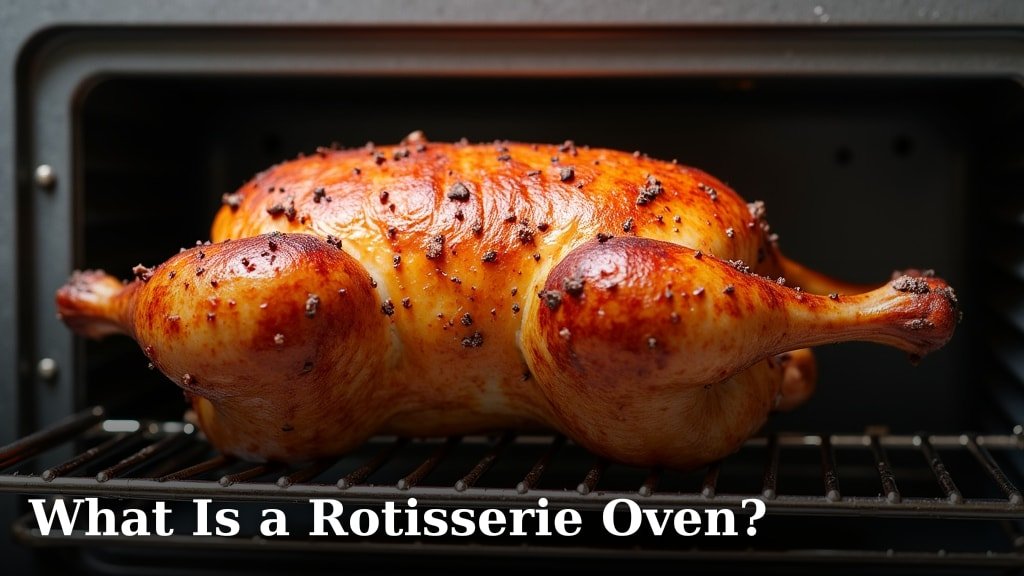
A rotisserie oven is a countertop appliance that cooks food, usually whole chickens or roasts, by slowly rotating it on a spit. This continuous turning ensures even cooking and helps crisp up the exterior for delicious results. Think of it as your personal, home-based rotisserie chef!
These handy ovens are known for their ability to produce succulent, tender meats with minimal effort from you. Many models also offer multi-functionality, letting you bake, roast, and even dehydrate, making them a versatile addition to any kitchen counter. They are designed to mimic the cooking method found in professional rotisseries, bringing that restaurant-quality taste right into your home.
- A rotisserie oven cooks food on a rotating spit.
- This ensures even cooking and a crispy exterior.
- It’s a countertop appliance for home use.
- Many models offer multiple cooking functions.
Let’s get into what makes a rotisserie oven so special and how you can use one to make amazing meals. We’ll cover the basics so you can feel confident using yours.
Understanding Your Rotisserie Oven’s Magic
So, what exactly is a rotisserie oven, and why should you consider one for your kitchen? At its heart, it’s a clever appliance designed to cook food by spinning it on a rod. This spinning action is the key to its success. It ensures that your food cooks evenly on all sides.
Think about roasting a chicken in a regular oven. The side facing the heat source gets more done, right? A rotisserie oven fixes that. The constant rotation means every part of the food gets its turn in the heat. This results in a perfectly cooked interior and a deliciously crispy exterior.
How Does a Rotisserie Oven Work?
The magic happens thanks to a few key components working together. You’ll typically find a heating element, a spit rod, and a motor. The motor is the workhorse, driving the spit rod.
The Spit Rod: The Heart of the Operation
The spit rod is the metal skewer that your food attaches to. It’s designed to go right through the center of larger items, like a whole chicken or a beef roast. You secure the food onto the spit rod using special forks. These forks hold the food firmly in place as it turns.
The rod then inserts into the oven and connects to a motor. This motor is usually located at the back or side of the appliance. When you turn the oven on, the motor begins to rotate the rod. This rotation is slow and steady, usually about 2 RPM (revolutions per minute).
Heating Elements: Creating the Perfect Cook
Rotisserie ovens use heating elements, much like regular ovens. These elements can be located at the top, bottom, or sometimes both. The placement of the heating elements influences how your food cooks. Learn how heating elements work in different ovens, including convection models.
Some models also include a separate rotisserie element, often at the back. This can help provide additional heat specifically for the spit-roasted food. The combination of the heating elements and the rotation creates a convection-like effect. This ensures that hot air circulates evenly around your food.
The Motor: Keeping Things Moving
The motor is the silent hero. It’s what provides the consistent turning motion. Most rotisserie oven motors are built to handle the weight of standard roasts and poultry. You’ll want to make sure your food is balanced on the spit rod for the motor to work efficiently. An unbalanced load can strain the motor and lead to uneven cooking.
What Can You Cook in a Rotisserie Oven?
While they’re famous for whole chickens, the possibilities extend much further. You can achieve fantastic results with a variety of meats and even some vegetables.
Poultry Perfection
A whole chicken is the classic choice, and for good reason. The rotisserie method delivers incredibly moist meat and golden-brown skin. You can also try turkeys, ducks, or Cornish hens. Seasoning your bird generously before roasting is key to flavor.
Savory Roasts
Beef roasts, pork roasts, and lamb roasts all benefit from the rotisserie treatment. A standing rib roast or a pork loin can become incredibly tender. The slow rotation helps to render fat evenly, basting the meat as it cooks. This results in a juicy interior.
Beyond the Meat
Don’t stop at traditional roasts! You can also use your rotisserie oven for things like:
- Kebabs: Some rotisserie ovens come with basket accessories for cooking kebabs. This keeps them from falling off the spit.
- Sausages: Sausage links can be threaded onto the spit rod and cook evenly without bursting.
- Certain Vegetables: Larger vegetables, like whole cauliflower or even pineapple, can be roasted on the spit for a unique side dish.
Many rotisserie ovens are multi-functional. They often include settings for baking, broiling, toasting, and sometimes even dehydrating. This makes them a very versatile appliance to have.
Benefits of Using a Rotisserie Oven
Why choose a rotisserie oven over other cooking methods? There are several compelling reasons that make it a worthwhile addition to your kitchen.
Unmatched Tenderness and Juiciness
The primary benefit is the superior texture of the food. The constant rotation helps to distribute juices evenly throughout the meat. This prevents the meat from drying out, a common issue with other roasting methods. Many cooking guides suggest this method for consistently moist results.
Beautifully Crispy Skin and Crust
That mesmerizing spin not only keeps things moist but also creates a wonderfully crisp exterior. As the food rotates, the skin or crust gets exposed to the heat from all angles. This leads to that irresistible golden-brown finish that looks and tastes fantastic. It’s like having a professional chef’s touch at home.
Effortless Cooking
Once your food is secured on the spit rod and the oven is set, you can pretty much walk away. The appliance does all the work for you. There’s no need for constant basting or turning. This frees up your time to prepare side dishes or simply relax. It makes entertaining guests much less stressful.
Healthier Cooking Options
The rotisserie method allows fat to drip away from the meat as it cooks. This can result in a leaner final product compared to frying or pan-searing. You can enjoy rich flavors with potentially less added fat. It’s a way to achieve delicious results without compromising your dietary goals (Cleveland Clinic).
Space-Saving and Versatile
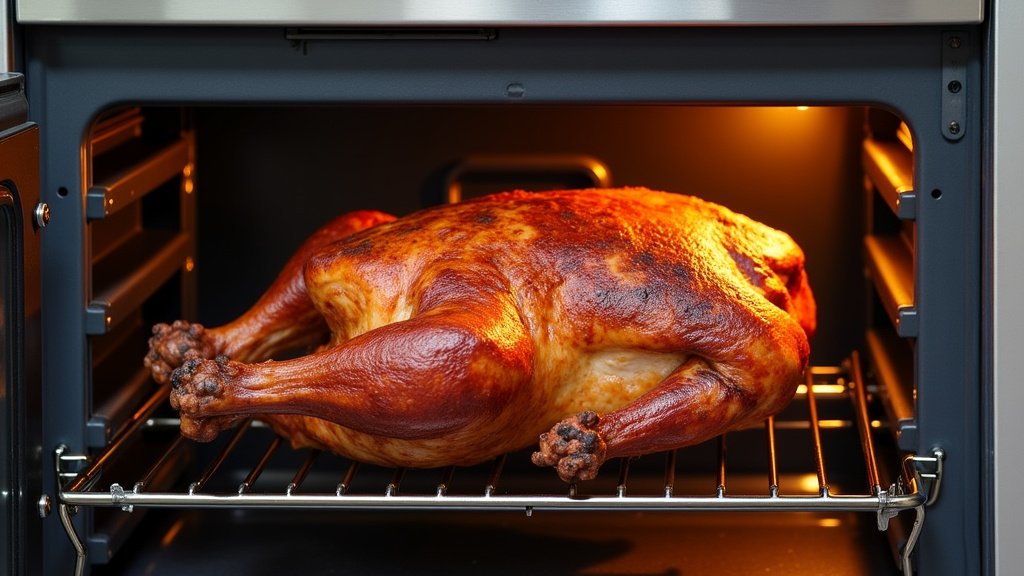
Most rotisserie ovens are countertop models. They take up less space than a full-sized oven. They often combine multiple cooking functions, meaning one appliance can replace several others. This is great for smaller kitchens or for adding extra cooking capacity during busy holiday seasons.
Key Features to Look For
When you’re ready to buy a rotisserie oven, keep an eye out for these features. They can make a big difference in your cooking experience.
Capacity and Size
Consider what you’ll be cooking most often. If it’s usually just a couple of chicken breasts, a smaller unit will suffice. For a whole turkey or larger roasts, you’ll need a bigger capacity. Check the maximum food weight the spit rod can handle.
Temperature and Timer Controls
Look for precise temperature control. This allows you to cook food to exact specifications. A programmable timer is also very useful. It lets you set the cooking duration and automatically shut off the oven. Some models even have a “keep warm” function.
Ease of Cleaning
This is a big one! Food can get messy. Features like removable crumb trays and non-stick interior surfaces make cleaning much easier. The spit rod and forks should also be easy to detach and wash. Many accessories are dishwasher safe.
Accessories Included
Some rotisserie ovens come with extra accessories. These can include rotisserie baskets, drip pans, oven mitts, or even recipe books. These extras can add a lot of value and expand your cooking options.
Setting Up Your Rotisserie Oven for Success
Getting your rotisserie oven ready to cook is a simple process. A little preparation goes a long way in ensuring perfect results.
Assembling the Spit and Food
First, you’ll want to properly assemble your food onto the spit rod. For a whole chicken, trussing its legs and wings is recommended. This helps it maintain a compact shape for even cooking. Secure the food with the rotisserie forks. Make sure they are firmly in place and that the food is centered on the rod. A balanced load spins smoothly.
Placing the Spit in the Oven
Carefully insert the spit rod into its designated slots in the oven. Ensure it’s seated securely. Place a drip pan underneath the food. This catches any drippings and prevents them from making a mess inside the oven.
Setting Your Cooking Program
Select your desired cooking temperature and time. Many recipes provide specific guidelines for rotisserie cooking. You might use a general roasting setting or a dedicated rotisserie function if your oven has one. The included manual is your best friend here.
A Quick Checklist for Rotisserie Success
Here’s a quick guide to remember before you start cooking:
- Ensure your food is properly trussed and balanced on the spit.
- Secure the food tightly with the rotisserie forks.
- Place a drip pan beneath the food to catch drippings.
- Preheat the oven if the recipe calls for it.
- Set your desired temperature and cooking time accurately.
- Double-check that the spit rod is securely in place.
Conclusion
You’ve learned that a rotisserie oven is a fantastic kitchen tool. It cooks food by slowly rotating it on a spit, ensuring even cooking and delicious crispy exteriors. From whole chickens to savory roasts, the versatility is impressive. Many models also offer multiple cooking functions, making them a space-saving powerhouse. Ready to enjoy perfectly cooked meats with minimal effort? Your next step is to choose a rotisserie oven that fits your needs and start experimenting with delicious recipes!
Frequently Asked Questions
How do I balance the food on the spit rod?
Balancing food is key for even cooking and preventing strain on the motor. For whole chickens, trussing the legs and wings helps create a compact shape. Make sure the food is centered on the rod and secure it firmly with the provided forks. If it feels wobbly, adjust until it spins smoothly.
Is a rotisserie oven difficult to clean?
Cleaning can be straightforward if you choose a model with helpful features. Look for removable crumb trays and non-stick interior surfaces. The spit rod and forks should also be easy to detach for washing. Many manufacturers design accessories to be dishwasher safe, which greatly simplifies cleanup.
Can I cook smaller items like kebabs in a rotisserie oven?
Yes, you can! Many rotisserie ovens come with special basket accessories designed for items like kebabs or vegetables. These baskets attach to the spit rod, keeping smaller foods from falling off. This allows them to cook evenly while rotating in the oven.
Do rotisserie ovens use a lot of electricity?
Rotisserie ovens are generally energy-efficient countertop appliances. They are typically smaller than full-sized ovens, meaning they require less energy to heat up and maintain temperature. Their efficient cooking method can also mean shorter cooking times, further saving on energy use.
What is the difference between a rotisserie oven and a convection oven?
While both use air circulation, a rotisserie oven’s defining feature is the rotating spit. This method cooks food by spinning it, ensuring all sides are evenly exposed to heat. A convection oven uses a fan to circulate hot air, but the food itself doesn’t typically rotate.
