
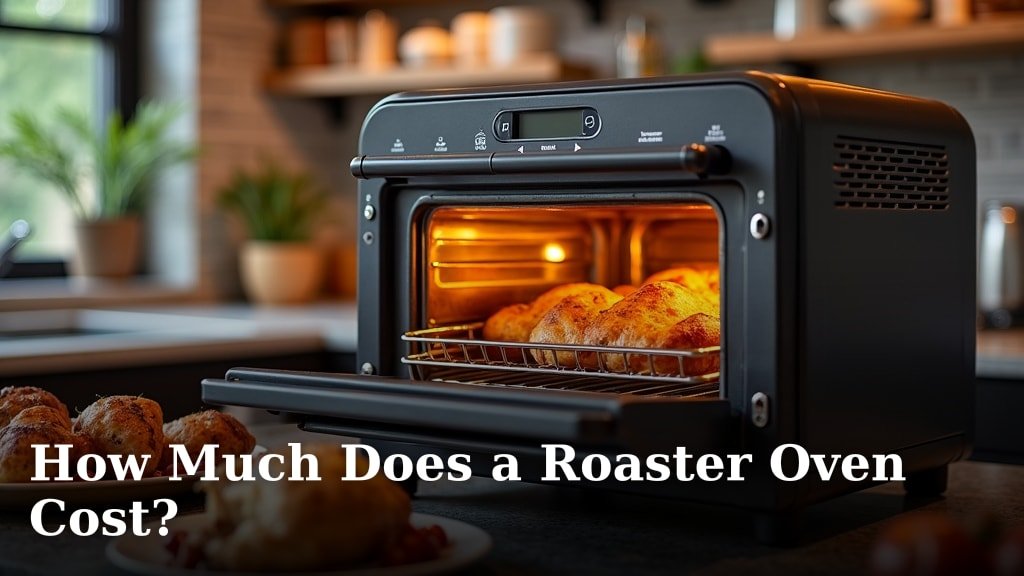
You’re probably wondering about the cost of a roaster oven. A good roaster oven typically costs between $50 and $200. However, you can find basic models for under $50 and premium ones going for over $300. The price depends on the size, brand, and features.
Roaster ovens are quite versatile kitchen appliances. They can roast, bake, braise, and even cook slow-cooked meals. Think of them as a compact oven that’s perfect for smaller kitchens or extra cooking space. Understanding the price range helps you budget for this handy tool.
- Roaster ovens generally cost between $50 and $200.
- Smaller, basic models are cheaper.
- Larger, feature-rich models cost more.
- Look for sales and compare brands for the best deal.
Let’s break down exactly what influences the cost and what you can expect for your money.
What’s the Price Tag on a Roaster Oven?
So, you’re curious about how much you’ll need to spend on a roaster oven. Most people find that a good, solid roaster oven lands somewhere between $50 and $200. You can definitely snag a very basic model for less than $50 if you catch a good sale. On the flip side, some high-end models with all the bells and whistles can creep over $300.
The final price really boils down to a few key things. We’re talking about the size you need, the brand reputation, and the specific features it comes with. Think of it like buying a car; a compact economy model is going to cost less than a luxury SUV. Let’s get into the details so you know exactly what to expect.
Factors Influencing Roaster Oven Costs
Several elements play a role in determining the cost of a roaster oven. Understanding these will help you make a smart choice for your kitchen and your wallet.
Size Matters (and So Does the Price!)
Roaster ovens come in various sizes, typically measured by their capacity in quarts. This is often the biggest driver of price. A smaller roaster oven is great for individuals or couples. They are also more budget-friendly.
You’ll commonly see roaster ovens in sizes like 6-quart, 8-quart, 10-quart, 12-quart, 14-quart, and even 18-quart. A 6-quart model might cost you around $30 to $60. An 18-quart model, which can roast a turkey, will likely be in the $70 to $150 range. Bigger capacity means you can cook more food, but it also means a higher price tag.
Brand Reputation and Quality
Just like with any appliance, certain brands have built a reputation for quality and durability. Well-known brands often come with a higher price. This can be due to their use of premium materials or their established customer service.
For instance, brands like Cuisinart, Hamilton Beach, and Proctor Silex offer a range of models. We found that budget-friendly brands tend to be under $70. Mid-range brands might be between $70 and $150. Premium brands could push past $150. If you’re looking for something that will last for many years, investing a bit more in a reputable brand might be wise.
Material and Build Quality
The materials used in a roaster oven also influence its cost. Roaster ovens generally have an enamel or stainless steel exterior. The interior cooking pot is usually made of cast aluminum or porcelain-coated steel.
A sturdier build with higher-quality materials will naturally cost more. Think about the thickness of the metal and how well the lid fits. A well-built roaster oven will retain heat better. This leads to more even cooking. We’ve seen that models with thicker, more robust construction often sit at the higher end of the price spectrum.
Features and Functionality
What your roaster oven can do directly impacts its price. Basic models simply roast and bake. They have manual temperature controls and a timer.
More advanced models offer additional features. These might include self-basting lids, warming functions, or even digital displays. Some come with multi-functionality, allowing for slow cooking or convection roasting. These added capabilities increase the manufacturing cost. As a result, you’ll see a higher price tag on these feature-rich appliances. A convection fan, for example, can add $20 to $50 to the cost.
Price Ranges Explained: What You Get for Your Money
Let’s break down what you can expect to find within different price brackets. This should help you pinpoint the right roaster oven for your needs.
Under $50: The Budget-Friendly Basics
At this price point, you’re looking at smaller roaster ovens, typically 6 to 10 quarts. They are great for simple tasks like cooking small chickens or side dishes. You’ll likely find manual temperature dials and a basic timer.
The build might be a bit lighter. These models are perfect if you only need a roaster oven for occasional use or if you have very limited kitchen space. They get the job done without many frills. We found that brands like Proctor Silex often fall into this category.
$50 to $100: The Sweet Spot for Most
This is where you’ll find the most popular roaster ovens. You can get a good quality 12- to 14-quart roaster oven here. Many models in this range offer better temperature control and more durable construction.
You might also start seeing some additional features, like self-basting lids or glass oven lids for easier monitoring. This price range offers a great balance of features, size, and cost. Hamilton Beach and some Oster models are commonly found here.
$100 to $200: Enhanced Features and Larger Sizes
Stepping into this price range often means getting a larger capacity, perhaps 16 to 18 quarts. These are ideal for cooking larger meals, like a whole turkey or multiple side dishes for a family gathering.
You can also expect enhanced features. Think about digital temperature controls, programmable timers, and even convection cooking capabilities. Some higher-end brands also offer superior materials and warranties in this segment. Cuisinart and some premium GE models often fall into this bracket.
Over $200: Premium and Specialty Models
Roaster ovens priced over $200 are usually top-of-the-line. They might boast premium stainless steel construction, advanced digital interfaces, and specialized cooking modes.
These can include convection fans for faster, more even cooking. Some might even have temperature probes for precise meat cooking. If you’re a serious home cook or need a roaster oven for frequent, demanding use, these might be worth considering. However, for most everyday needs, they might be more than necessary.
Are There Cheaper Alternatives?
You might be wondering if there are ways to get a roaster oven for even less. Sales and refurbished models are your best bet.
Shopping for Sales and Discounts
Retailers often have sales events. Keep an eye out during holidays like Black Friday, Cyber Monday, or even around Thanksgiving. You can often find popular models marked down significantly. Online retailers and big-box stores are good places to check regularly.
Considering Refurbished or Open-Box Options
Some stores offer refurbished or open-box roaster ovens. These have been returned, inspected, and repaired (if necessary) to be in good working order. They are usually sold at a reduced price. Just be sure to check the warranty policy before purchasing.
Think of it as getting a gently used item that’s been given a new lease on life. You can often save 20-30% this way. We found that major appliance retailers often have these options available.
Making Your Roaster Oven Purchase Decision
To help you narrow down your choice, consider these quick points.
- Determine the ideal size for your typical cooking needs.
- Identify the must-have features versus nice-to-haves.
- Research brands known for reliability in your budget range.
- Compare prices across different retailers, especially during sale events.
- Check customer reviews for insights into real-world performance.
- Consider whether a basic model or one with extra functions better suits you.
Conclusion
So, you’ve got a good handle on how much a roaster oven might cost. Remember, prices generally fall between $50 and $200, but that can flex based on size, brand, and features. You can find basic models for less, and premium ones for more. We found that thinking about your typical cooking needs will help you decide if a smaller, budget-friendly option or a larger, feature-packed one is best for you.
The key is to balance what you need with what you want. Now that you know the factors influencing the price, you’re ready to shop smarter. Your next step is to check out a few reputable retailers online or in-store, compare your top choices, and look for those sales events to snag a great deal.
Frequently Asked Questions
What is the cheapest price I can expect for a roaster oven?
You can typically find basic, smaller roaster ovens for under $50. These are usually around 6 to 10 quarts in size. They offer simple roasting and baking functions without many extra features. Brands like Proctor Silex often have models in this very affordable price range.
Is it worth paying more for a roaster oven with more features?
It depends on your cooking habits. If you plan to use your roaster oven frequently for diverse meals, features like convection fans, digital controls, or slow-cooking functions can be very useful. We found these often add $20 to $50 to the cost, but can make cooking more convenient and efficient for you.
How much does size affect the price of a roaster oven?
Size is a major price driver. A smaller 6-quart roaster oven might cost $30 to $60. A much larger 18-quart model, capable of roasting a turkey, will likely cost between $70 and $150. Simply put, more capacity generally means a higher price tag.
Can I find a good roaster oven for around $100?
Absolutely. The $50 to $100 range is often considered the sweet spot for many buyers. You can commonly find well-built 12- to 14-quart roaster ovens in this price range. These models offer a great balance of size, durability, and useful features.
Are refurbished roaster ovens a good way to save money?
Yes, refurbished or open-box roaster ovens can be a great way to save money, often offering discounts of 20-30%. These units have been returned, inspected, and repaired if needed. Just be sure to check the warranty policy to ensure you’re still covered.
