
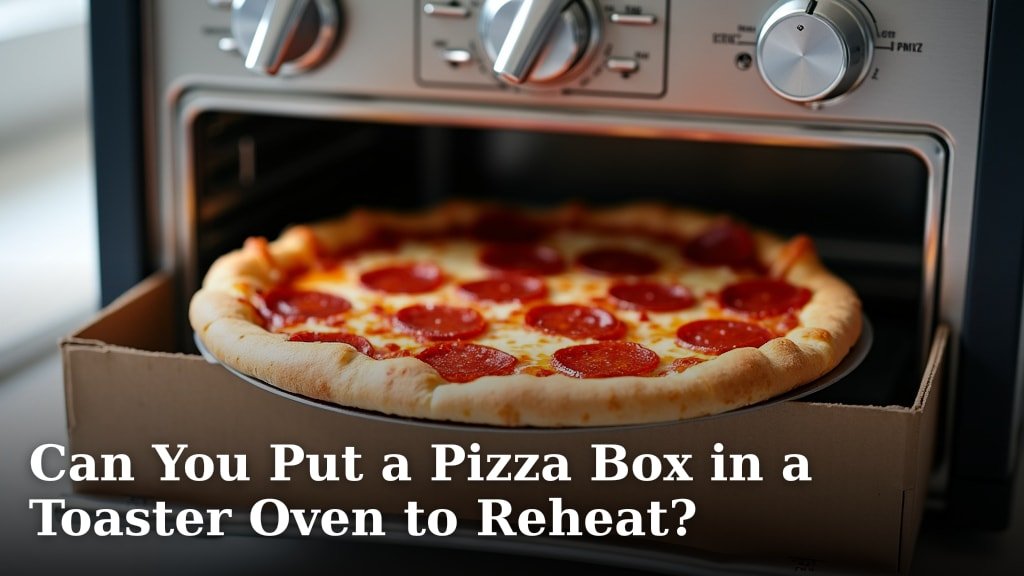
No, you should not put a pizza box directly into a toaster oven to reheat pizza. Doing so is a fire hazard because pizza boxes are made of cardboard, which is highly flammable. Toaster ovens reach high temperatures, and the cardboard can easily ignite, creating a serious risk for your home and yourself. Always remove the pizza from its box first.
Reheating pizza safely means understanding what materials are oven-safe. You want to use baking sheets or oven-safe dishes instead of the original pizza box. Many people wonder if it’s okay, but the risk of a fire is simply too high. We found that proper reheating methods ensure your pizza is warm and delicious without any danger. Our guide to the best toaster oven for reheating pizza can help you choose the right appliance.
- Never put a cardboard pizza box in a toaster oven.
- Cardboard is flammable and can catch fire easily.
- Always remove pizza from the box before reheating.
- Use oven-safe dishes or baking sheets instead.
Below, we’ll walk you through the best and safest ways to reheat your leftover pizza so you can enjoy it without any worry.
Reheating Pizza: What You Need to Know About Using a Toaster Oven
So, you’ve got some delicious leftover pizza. That’s the best kind of leftover, right? Your first thought might be to just pop the whole box into the toaster oven. It seems easy. But before you do, let’s talk about why that’s a definite no-go. Putting a pizza box, which is made of cardboard, into a hot toaster oven is a recipe for disaster. It’s a serious fire hazard. We found that toaster ovens get quite hot, and cardboard can catch fire very quickly. Your pizza will be ruined, and your kitchen could be damaged.
The main issue is the material of the box. Cardboard is essentially dried wood pulp. It’s designed to keep your pizza safe during delivery, not to withstand high heat. Think of it like a giant cracker. You wouldn’t put a cracker in a hot oven, would you? It would just burn. The same principle applies here. Safety should always come first when you’re heating up your food. We always recommend removing the pizza from the box before heating it in any appliance.
Why Cardboard Boxes Are Not Oven-Safe
Cardboard is highly flammable. That’s the most important thing to remember. Pizza boxes often have grease stains from the pizza itself. This grease makes the cardboard even more susceptible to igniting. Toaster ovens can reach temperatures of 400°F (200°C) or even higher. At these temperatures, the cardboard can start to smolder and eventually catch fire. This isn’t just a messy problem; it’s a real danger to your home.
Many pizza boxes are treated with chemicals or glues to hold them together. While these are generally safe for food contact at room temperature, they can release fumes or even melt at high oven temperatures. These fumes aren’t good to breathe, and melted plastic or glue can ruin your pizza and your toaster oven. Experts often warn that anything not explicitly labeled “oven-safe” should be kept out of the oven. We found that this advice is crucial for preventing fires and ensuring your food is safe to eat.
The Flammable Nature of Cardboard
Cardboard is made from cellulose fibers. These fibers are naturally combustible. When exposed to enough heat, they break down and ignite. The speed at which this happens depends on the temperature and the thickness of the material. A pizza box is thin and has a large surface area. This means it can heat up and ignite very rapidly. It’s like holding a match to a piece of paper; it catches fire almost instantly.
Think about how quickly a campfire ignites. Wood, much like cardboard, burns. While a pizza box isn’t as dense as firewood, the principle is the same. The heat from the toaster oven acts as the ignition source. Even a small spark can quickly turn into a big problem. We’ve heard stories where people thought it would be fine for just a few minutes, but the box caught fire much faster than they expected.
Grease Stains and Chemical Treatments
The grease from your pizza is a significant factor. Grease is oil-based, and oils are flammable. When the cardboard absorbs this grease, it becomes even more prone to burning. It lowers the ignition point of the cardboard, meaning it will catch fire at a lower temperature than clean cardboard. This is why even if you only plan to heat it for a short time, the risk is still there.
Additionally, many food-grade materials have certain treatments. While safe for their intended use, they might not be safe for high-heat cooking. Some glues used in box construction can melt or degrade. This can create an unpleasant taste on your pizza or even leave a residue. The U.S. Food and Drug Administration (FDA) has guidelines for food packaging, but these primarily focus on direct food contact, not high-temperature cooking applications. We found that it’s always best to err on the side of caution and avoid any potential for chemical leaching.
Safe Alternatives for Reheating Pizza in a Toaster Oven
Now that we’ve established why pizza boxes are a no-fly zone, let’s talk about what you can use. Reheating pizza safely is all about choosing the right materials. You want something that can handle the heat without melting, burning, or causing a fire. The good news is that you probably already have suitable options in your kitchen.
The goal is to transfer the heat efficiently to the pizza without any dangerous side effects. This means using materials that are specifically designed for cooking or baking. We found that using these methods not only keeps you safe but also often results in a better-tasting slice. Nobody wants soggy or burnt pizza, right?
Using Baking Sheets
A simple aluminum foil-lined baking sheet is a fantastic option. Place your pizza slices directly on the foil-lined sheet. This allows for even heating. The foil makes cleanup a breeze, too. Just gather up the foil with any crumbs and discard it. This is a method that many chefs and home cooks rely on. We found it works wonderfully for achieving a crispier crust.
Make sure the baking sheet you use is suitable for toaster oven use. Most standard baking sheets will fit. However, always double-check the dimensions of your toaster oven. You don’t want the sheet to touch the heating elements. That could also be a fire hazard. We recommend leaving a little space around the edges. This ensures good air circulation and prevents any accidental scorching.
Oven-Safe Dishes and Pans
Another excellent choice is using oven-safe dishes. Ceramic pie plates, glass baking dishes (like Pyrex), or cast-iron skillets are perfect. These materials are designed to withstand high temperatures. Place your pizza slices in the dish. You can arrange them in a single layer if possible.
Glass and ceramic dishes can sometimes take a little longer to heat up. This is because they retain heat. However, they also distribute heat very evenly. This can help prevent hot spots on your pizza. Cast iron is amazing for reheating pizza because it gets incredibly hot and stays hot, giving you a wonderfully crispy crust. Just be sure your dish fits comfortably in your toaster oven. We found that preheating the dish isn’t usually necessary, but it can sometimes speed up the process.
Ceramic and Glass Plates
Ceramic plates or oven-safe glass dishes are great for reheating just a slice or two. They provide a stable surface. You can place the pizza directly onto the plate or dish. Make sure the plate or dish is clearly marked as oven-safe. Some decorative plates might not be. We found that older, plain ceramic plates are often a good bet.
Cast Iron Skillets
A small cast-iron skillet is a hidden gem for reheating pizza. It gets wonderfully hot and creates an incredibly crispy bottom crust. Place your pizza slices in the skillet. You can even do this on the stovetop for a minute to get the skillet hot before transferring it to the toaster oven. This method is particularly effective for thicker crusts. We found that a 6- or 8-inch skillet is usually a good size for toaster ovens.
Using Aluminum Foil Directly (with Caution)
If you don’t have a baking sheet or oven-safe dish readily available, you can use aluminum foil. However, you need to be careful. Lay down a generous layer or two of heavy-duty aluminum foil. Place your pizza slices directly on the foil. This is better than the box, but it doesn’t offer the same crispiness as a baking sheet or pan. Our guide on using aluminum foil in an electric oven explains safe practices.
The main advantage of foil is its flexibility. You can shape it to fit your toaster oven perfectly. However, aluminum foil can sometimes tear or shift. It also doesn’t conduct heat as evenly as other materials. If you use foil, keep a close eye on your pizza. We found that using foil is a last resort, but it is still much safer than the original cardboard box.
Step-by-Step Safe Reheating Process
Let’s walk through the best way to get that pizza hot and delicious again. It’s a simple process that ensures safety and great results. You’ll be enjoying your perfectly reheated pizza in no time!
1. Remove Pizza from the Box
This is the absolute first step. Take your pizza slices out of the cardboard box. Discard the box immediately. Don’t let it linger near the toaster oven. We found that getting the box out of the way reduces any temptation to use it again.
2. Choose Your Reheating Surface
Select one of the safe options we discussed: a baking sheet (lined with foil for easy cleanup), an oven-safe ceramic or glass dish, or a cast-iron skillet. Make sure it fits inside your toaster oven with some clearance around the sides.
3. Arrange the Pizza
Place your pizza slices in a single layer on your chosen surface. Don’t overlap them too much, as this can lead to uneven heating. If you have multiple slices, you might need to reheat them in batches. This ensures each slice gets the heat it needs.
4. Set Toaster Oven Temperature and Time
Preheat your toaster oven to around 350°F (175°C). This temperature is generally effective for reheating without burning. Reheating time will vary, but start with about 5-8 minutes. Keep an eye on it. We found that checking after 5 minutes is a good way to gauge how done it is.
5. Monitor and Enjoy
Watch your pizza as it reheats. You’re looking for the cheese to be melted and bubbly and the crust to be warmed through. If the top is getting too brown before the crust is warm, you can loosely tent it with foil. Once it looks perfect, carefully remove it from the toaster oven using oven mitts. Let it cool for a minute before you take a bite. Enjoy your safely reheated pizza!
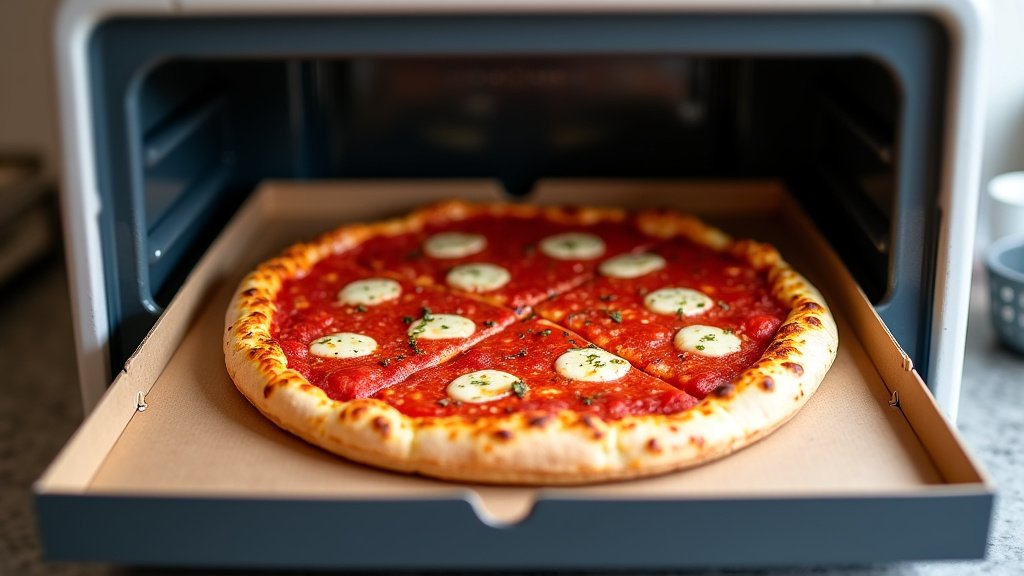
What About Other Toaster Oven Materials?
It’s good to be curious about what else you can and cannot put in your toaster oven. Understanding the materials helps you make safe choices every time. We found that toaster ovens are versatile, but they still have limitations, just like any cooking appliance.
Plastic Containers
Never put plastic containers in a toaster oven. Most plastics are not designed to withstand the high temperatures. They can melt, warp, or release harmful chemicals into your food. Even plastics labeled “microwave-safe” are not necessarily “toaster oven-safe.” The temperatures are much higher. We found that the U.S. Consumer Product Safety Commission (CPSC) advises against heating plastics unless specifically approved by the manufacturer for oven use.
Paper Towels and Napkins
Similar to cardboard, paper towels and napkins are flammable. While they might be okay for wrapping food for short periods in a microwave, they are a fire risk in a toaster oven. They can easily catch fire. We always recommend keeping paper products away from direct heat sources in the oven.
Disposable Aluminum Pans
These are generally safe to use in toaster ovens, provided they are sturdy. They work much like a regular baking sheet. You can use them for reheating pizza or other foods. Just be sure they are not damaged or excessively flimsy. We found that these are convenient for quick meals and easy cleanup.
Cooking Racks from Other Appliances
If a cooking rack fits safely in your toaster oven and appears to be made of sturdy, oven-safe metal (like stainless steel or chrome-plated steel), it is likely fine to use. Just ensure it doesn’t touch the heating elements. Always refer to your toaster oven’s manual if you’re unsure about specific accessories. We found that using the racks that came with your toaster oven is always the safest bet.
Quick Checklist for Toaster Oven Safety
Here’s a handy checklist to keep your toaster oven reheating adventures safe and successful:
- Always remove food from its original packaging (like pizza boxes) before heating.
- Use only oven-safe materials: ceramic, glass, metal baking sheets, or cast iron.
- Ensure any item you use fits with clearance around the edges.
- Keep an eye on your food while it’s reheating; don’t leave it unattended.
- Be cautious with paper products and plastics – they are generally not safe for oven use.
- If in doubt, check your toaster oven’s manual or stick to known safe methods.
Conclusion
So, we’ve established that putting a pizza box in your toaster oven is a definite no. Cardboard is flammable, especially when stained with grease, and can quickly become a fire hazard. Your priority is always safety, both for your home and yourself. Stick to oven-safe materials like baking sheets, ceramic dishes, or cast iron skillets to reheat your pizza. This ensures a delicious, perfectly warmed slice without any risk. Your next pizza reheat should be a safe and tasty success!
Frequently Asked Questions
Will a little bit of grease on the pizza box make it catch fire in the toaster oven?
Yes, even a little grease can increase the flammability of the cardboard. Grease is oil-based and lowers the cardboard’s ignition point. We found that this makes it more likely to smolder or catch fire at toaster oven temperatures.
What’s the quickest safe way to reheat pizza in a toaster oven?
Using a foil-lined baking sheet is often the quickest method. Place your slices on the foil, pop it in a preheated 350°F (175°C) oven, and check after 5-8 minutes. We found this method heats the pizza efficiently for a crispy crust.
Can I reheat pizza directly on the toaster oven rack?
It’s best not to reheat pizza directly on the toaster oven rack, as toppings can fall through. Placing slices on a baking sheet, oven-safe dish, or even foil provides a stable surface and prevents messes. We’ve found this makes cleanup much easier.
What if my pizza box has a “microwave-safe” label? Does that mean it’s okay for a toaster oven?
No, a “microwave-safe” label does not mean it’s safe for a toaster oven. Microwaves heat food differently than toaster ovens. Toaster ovens use direct heat, which can easily ignite cardboard, even if it’s deemed safe for microwave use. We strongly advise against it.
How can I tell if a dish or plate is truly oven-safe for reheating pizza?
Look for explicit “oven-safe” labels on the bottom of the dish or plate, often accompanied by a temperature rating. Ceramic and glass dishes from reputable brands are usually safe, but avoid decorative items or unknown materials. We recommend checking manufacturer guidelines if you’re unsure.
