
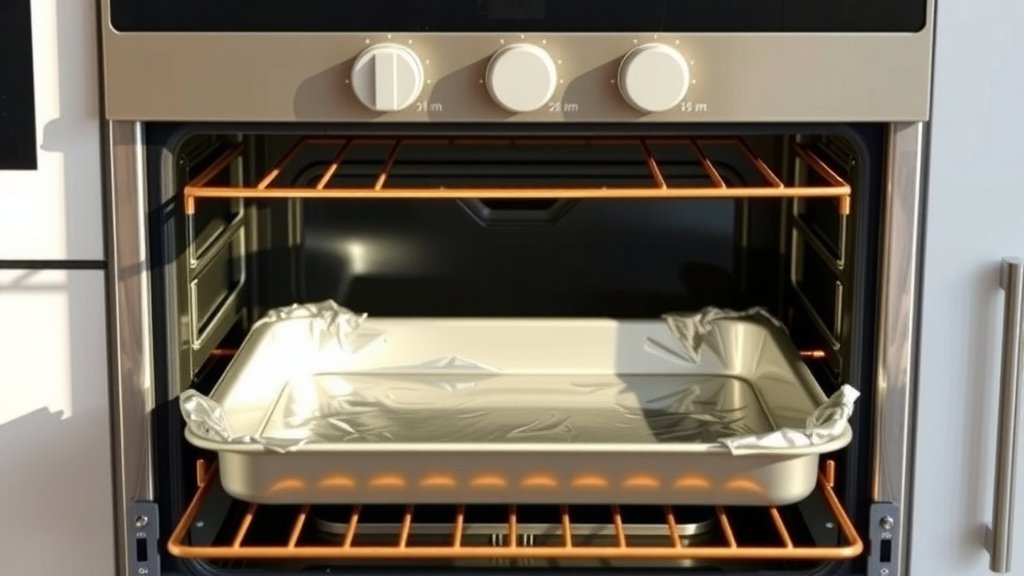
Yes, you can generally use foil in an electric oven, but with some important precautions to ensure safety and proper cooking.
Always avoid covering oven vents or lining the oven bottom, which can damage your appliance and even create fire risks.
Here’s the quick scoop on using foil in your electric oven:
- You can use foil for wrapping food or covering dishes, which helps with cooking and cleanup.
- Never line the bottom of your electric oven with foil; it traps heat and can damage heating elements.
- Avoid covering oven vents or racks completely, as this disrupts air circulation and cooking.
- Keep foil away from heating elements to prevent melting or fire hazards.
- Always check your oven’s manual for specific foil use recommendations.
Can You Use Foil In An Electric Oven?
Yes, you can absolutely use aluminum foil in an electric oven, but it comes with a few critical caveats.
Proper use ensures your safety, maintains oven function, and helps achieve great cooking results.
Why Use Foil in Your Electric Oven?
People often reach for aluminum foil when baking or roasting. It’s a very versatile kitchen tool, right?
You might be looking for ways to simplify your cooking or keep dishes just right. Foil can certainly help.
Simple Cleanup and Moist Dishes
Foil helps catch drips and spills, making after-dinner chores much simpler. Who doesn’t love less scrubbing?
Wrapping food in foil creates a steamy environment, keeping your turkey or veggies wonderfully moist and tender.
Protecting Food from Over-Browning
Sometimes, you want food cooked through without a burnt top. A loose foil tent can shield it perfectly.
It’s like a little sunshade for your lasagna, preventing the cheese from getting too dark too fast.
The Big Don’ts: Where Foil Goes Wrong
While foil is handy, using it incorrectly can lead to big problems. It’s not just about cooking; it’s about oven health and safety.
Understanding these risks helps you avoid common mistakes and potential damage.
Never Line the Oven Bottom
This is perhaps the most important rule. We found that placing foil directly on the oven floor traps heat.
This trapped heat can damage the oven’s heating elements, leading to costly repairs (Appliance Manufacturers Association).
It can also melt onto the enamel, creating a permanent, impossible-to-remove mess. Nobody wants that!
Blocking Airflow and Vents
Ovens need good air circulation to cook evenly. Covering racks or vents with foil disrupts this flow.
We found this can cause hot spots, cold spots, and generally poor cooking results for your food.
Risk of Melting and Fire
Foil is metal, and metal conducts heat. If it touches heating elements, it can melt or even spark.
This poses a serious fire hazard in your kitchen, something no one wants. Always keep foil clear of direct heat sources.
How to Use Foil Safely (The Do’s)
So, you know the dangers. Now, let’s talk about how to use foil without worry in your electric oven.
There are plenty of smart, safe ways to incorporate foil into your cooking routine.
For Covering Dishes
Covering baking dishes or casserole dishes loosely is generally fine. This helps steam food or prevent over-browning.
Just make sure the foil doesn’t touch the heating elements or block the oven’s vents.
Creating Temporary Baking Cups
Need a quick mold for a baked potato or individual servings? Foil can be shaped into cups or small containers.
Again, ensure these are placed on a rack, not directly on the oven floor.
Catching Drips on the Rack Above
If you have a messy roast, place a sheet of foil on a lower rack to catch drips. Leave space around the edges for air.
This keeps your oven cleaner without risking damage to the appliance itself.
Here’s a quick checklist for safe foil use in your electric oven:
- Is the foil NOT touching heating elements?
- Is the oven bottom completely clear?
- Are all oven vents visible and open?
- Is there airflow around your covered dish?
- Did you check your oven manual for specific guidelines?
Your Oven Manual: The Ultimate Guide
Every oven is a little different. Your owner’s manual contains specific instructions for your model.
We always recommend checking it first for any guidelines on using foil or oven liners (Consumer Reports).
It’s your oven’s personal rulebook, designed to keep it running smoothly and safely for years.
When to Skip the Foil: Smart Alternatives
Sometimes, foil isn’t the best tool for the job. Luckily, there are great alternatives available.
These options can offer better results and often provide more peace of mind.
Parchment Paper for Baking
For baking cookies, pastries, or anything that tends to stick, parchment paper is fantastic.
It provides a non-stick surface, makes cleanup super easy, and is safe for high oven temperatures.
Silicone Baking Mats
Reusable silicone mats are another excellent non-stick option. They are eco-friendly and work beautifully for roasting veggies too.
Think of them as a sustainable upgrade to disposable liners. They handle heat very well.
Roasting Pans with Racks
For roasts, a good roasting pan with an elevated rack helps air circulate all around the food.
This gives you crispier results and catches juices perfectly. No need for foil to line the pan or catch drips if you have the right setup.
Let’s look at a quick comparison:
| Consideration | Aluminum Foil | Parchment Paper | Silicone Mat |
|---|---|---|---|
| Cleanup | Good, disposable | Good, disposable | Excellent, reusable |
| Non-Stick | Can stick to food | Excellent | Excellent |
| Heat Retention | High, can trap heat | Moderate | Moderate |
| Cost | Low, one-time use | Low, one-time use | Higher initial, reusable |
| Oven Bottom Safe | NO | YES (on racks) | YES (on racks) |
Conclusion
Using foil in an electric oven is perfectly fine, provided you use it smartly and safely. The key is to never line the oven bottom or block airflow.
Prioritizing your oven’s health and your own safety means understanding the few, but important, limitations of foil.
When in doubt, always refer to your oven’s manual or opt for safer alternatives like parchment paper or silicone mats. Happy cooking!
Frequently Asked Questions About Foil and Electric Ovens
Can I use heavy-duty foil in an electric oven?
Yes, heavy-duty foil can be used just like regular foil. The same safety rules apply: avoid lining the oven bottom and keep it away from heating elements and vents.
What happens if foil touches the heating element in an electric oven?
If foil touches a heating element, it can melt, spark, or even cause a fire. The extreme heat can also damage the element itself, requiring professional repair.
Is it okay to put foil on the oven rack?
Yes, placing foil on an oven rack is generally safe, especially for covering dishes or creating a drip tray. Just make sure it doesn’t cover too much of the rack, which could restrict air circulation and lead to uneven cooking.
Can foil cause damage to my oven’s interior coating?
Yes, if foil is placed directly on the bottom of an electric oven, the intense, trapped heat can cause it to fuse with or melt into the oven’s enamel coating, leading to permanent damage and discoloration that is very hard to remove.
Should I use shiny side up or down when baking with foil?
For most cooking situations, the difference between the shiny and dull sides of aluminum foil is negligible. Both sides cook food effectively because the heat reflection difference is minimal in an oven environment. Focus more on safe placement than which side faces up.
