
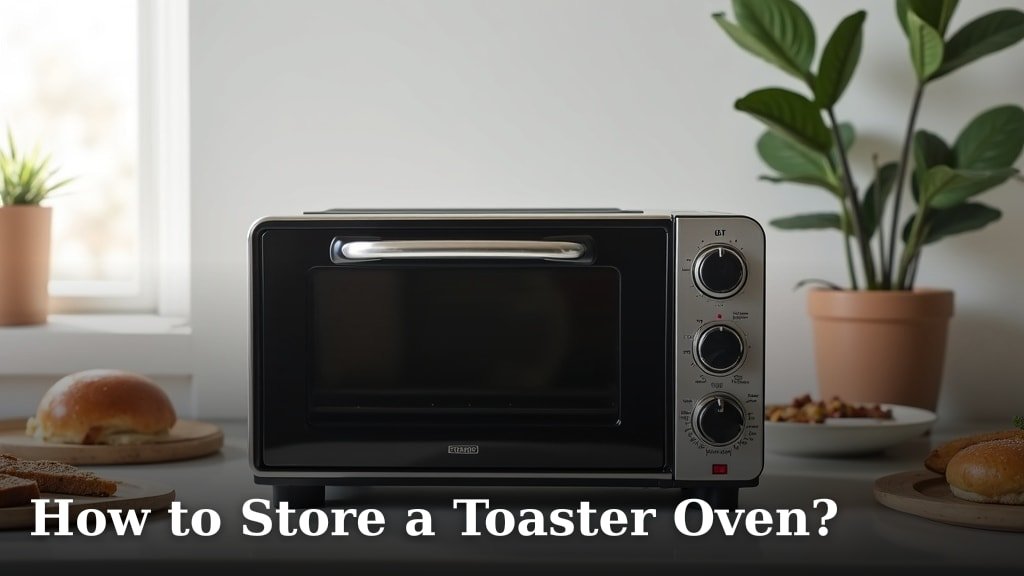
Storing your toaster oven properly means keeping it safe from damage and ready for its next use. You can store it on a countertop if you use it often, or pack it away in a cabinet or closet for longer periods. Just make sure it’s clean and dry before putting it anywhere.
When deciding where to store your toaster oven, think about how much counter space you have and how frequently you need it. A protected spot prevents dust buildup and accidental bumps. Keeping it accessible means you can enjoy toast or baked snacks whenever the craving strikes!
- Keep it clean and dry.
- Countertop for frequent use.
- Cabinet or closet for less frequent use.
- Protect it from dust and damage.
Let’s walk through the best ways to store your toaster oven, whether it’s for a few days or a few months.
You’ve got your toaster oven, and it’s probably a handy kitchen companion. Whether you use it daily for toast and bagels or a few times a week for reheating leftovers or baking small treats, you want to keep it in good shape. Storing it correctly is key to its longevity and your kitchen’s tidiness. Let’s talk about how to give your toaster oven a happy home when it’s not busy doing its culinary magic.
Storing Your Toaster Oven: Best Practices
Proper storage isn’t just about tidiness; it’s about protecting your appliance. Think of it like putting your favorite sweater away after winter – you want it safe, clean, and ready for its next season of use. The goal is to prevent damage and make sure it’s ready to go when you need it, without a fuss.
Preparation Before Storing
Before you even think about where it’s going, a little prep work is essential. This step is non-negotiable, no matter how short or long the storage period. It ensures you don’t have lingering crumbs or grease attracting pests or causing odors.
Step 1: Clean It Thoroughly
This is the most important part. Your toaster oven needs to be spotlessly clean inside and out. Crumbs can burn, creating smoke and unpleasant smells. Grease splatters can become hard to remove later. Research and found that cleaning appliances before storage helps prevent long-term damage and makes them easier to use when you take them out again (Many appliance repair guides suggest this).
- Remove all racks and crumb trays.
- Wipe down the interior with a damp cloth. Use a mild detergent if needed for stubborn spots.
- Clean the exterior with a soft, damp cloth.
- Ensure all parts are completely dry before reassembling or storing.
Step 2: Ensure It’s Completely Dry
Moisture is the enemy of electronics and metal appliances. Any dampness can lead to rust or electrical issues. After cleaning, let all parts air dry completely. You can also use a clean, dry towel to speed up the process. This step is vital, whether you’re storing it for a week or a year.
Choosing the Right Storage Location
Where you store your toaster oven depends on how often you use it and your kitchen’s layout. There are a few common scenarios, and each has its benefits. We found that accessibility and protection are the two main factors to consider.
Countertop Storage: For Frequent Use
If your toaster oven is a kitchen workhorse, it likely lives on your countertop. This is perfectly fine! The key here is to minimize dust and protect it from accidental spills or bumps. Keeping it plugged in might seem convenient, but we found it’s often better to unplug it when not in use to save energy and prevent potential electrical hazards. A dedicated spot helps keep your kitchen organized.
Tips for Countertop Storage
Even on the counter, you can make storage work better. Consider how it fits into your kitchen’s workflow. Does it get in the way when you’re cooking a big meal? Is it constantly collecting dust? Little adjustments can make a big difference.
- Keep it Clear: Don’t pile items on top of or around it. This ensures good air circulation and prevents heat buildup if it’s accidentally turned on.
- Protect from Splatter: If it’s near your stove, consider a splatter guard or repositioning it slightly when cooking.
- Dust Prevention: A light kitchen towel or a dedicated appliance cover can keep dust at bay overnight or between uses.
Cabinet or Pantry Storage: For Less Frequent Use
If your toaster oven is more of a special occasion appliance, tucking it away in a cabinet or pantry makes sense. This frees up valuable counter space and keeps it protected from dust and grime. You’ll want to make sure it’s not a tight squeeze, as forcing it in could damage components.
Preparing for Cabinet Storage
When moving it to a more permanent storage spot, a little extra protection goes a long way. Think of it as giving it a cozy home until its next duty.
- Wrap it Up: Consider wrapping the toaster oven in a clean sheet, a large towel, or even its original packaging (if you still have it). This adds a layer of protection against scratches and dust.
- Secure Loose Parts: If the crumb tray or racks tend to slide out, secure them with a rubber band or tape before wrapping.
Ideal Cabinet/Pantry Spots
Not all cabinets are created equal. You want a place that’s dry, cool, and relatively stable. Research and found that extreme temperatures can affect appliance components over time (Consumer product safety guidelines suggest cool, dry storage for electronics).
- Avoid High Heat Areas: Don’t store it above or next to a heat-generating appliance like a dishwasher or oven.
- Check for Pests: Ensure the area is free from potential pests that might be attracted to food residue, even if you think it’s perfectly clean.
- Stable Surface: Store it on a sturdy shelf that won’t wobble or shift.
Long-Term Storage Solutions
Storing a toaster oven for an extended period, like during a move or a long renovation, requires a bit more care. It’s like putting something precious into deep storage – you want it to emerge in the same condition it went in.
Packing for the Long Haul
If you’re packing it away for months, the original box is your best friend. If you don’t have it, find a sturdy box that fits well. Avoid overstuffing it, which can put pressure on the appliance. We found that adequate padding is crucial to prevent internal damage during transit or storage.
- Use Original Packaging if Possible: It’s designed to protect your specific model.
- Box It Up: If no original box, find a suitably sized cardboard box.
- Add Padding: Use bubble wrap, old towels, or packing peanuts to fill any gaps and cushion the toaster oven.
- Label Clearly: Mark the box “Fragile” and “Toaster Oven” so everyone knows what’s inside.
Where to Store Long-Term
The ideal long-term storage location is climate-controlled. This means avoiding garages, attics, or basements that experience extreme temperature fluctuations and humidity. Many experts say that consistent, moderate temperatures are best for preserving electronics and metal parts (Appliance manufacturers often recommend this for product longevity).
- Basements: Can be damp, risking rust.
- Attics: Extreme heat and cold can damage components.
- Garages: Often experience temperature swings and can attract pests.
- Indoor Closets: A climate-controlled closet inside your home is usually the best bet.
Storage Checklist
Before you put your toaster oven away, run through this quick checklist. It ensures you’ve covered all the bases for safe and effective storage.
- Is it Clean? (No crumbs or grease left behind!)
- Is it Dry? (Absolutely no moisture anywhere.)
- Is it Protected? (Wrapped, boxed, or covered to prevent dust/damage.)
- Is the Location Suitable? (Cool, dry, stable, and free from hazards.)
- Are Loose Parts Secured? (Racks and trays won’t slide out.)
By following these simple steps, you can ensure your toaster oven stays in great condition, ready to serve up perfectly toasted bread and delicious baked goods whenever you desire. It’s a small effort that pays off in appliance longevity and kitchen convenience!
Conclusion
Storing your toaster oven correctly is simple but makes a big difference. You’ve learned that keeping it clean and dry is the absolute first step, no matter how you plan to store it. For daily use, a clear countertop spot with minimal clutter works best. If it’s an occasional appliance, a protected cabinet or pantry is ideal. Remember to wrap or box it for longer periods, especially in climate-controlled indoor spaces. Taking these steps ensures your toaster oven remains in great condition, ready for your next delicious creation.
Ready to put your toaster oven away safely? Grab a clean cloth and start with a good cleaning!
Frequently Asked Questions
How do I protect my toaster oven from dust when it’s stored on the counter?
You can use a clean kitchen towel or a purpose-made appliance cover to shield your toaster oven from dust when it’s on the countertop. This simple step helps keep it looking fresh and ready for use between cleanings.
Can I store my toaster oven in its original box?
Yes, if you still have the original packaging, it’s often the best option for storage. The box is designed to fit your specific model and provide adequate protection against dust and bumps.
Is it okay to store a toaster oven in a garage or attic?
It’s generally not recommended to store toaster ovens in garages or attics. These areas often experience extreme temperature fluctuations and humidity, which can lead to rust or damage to the appliance’s components over time.
What should I do if my toaster oven has a removable crumb tray?
Always remove and thoroughly clean the crumb tray before storing your toaster oven. Make sure it’s completely dry before putting it back in or storing it separately.
Do I need to unplug my toaster oven even if it’s just stored on the counter?
Yes, it’s a good practice to unplug your toaster oven when it’s not in use, even if it’s on the counter. This saves energy and helps prevent any potential electrical hazards.
