
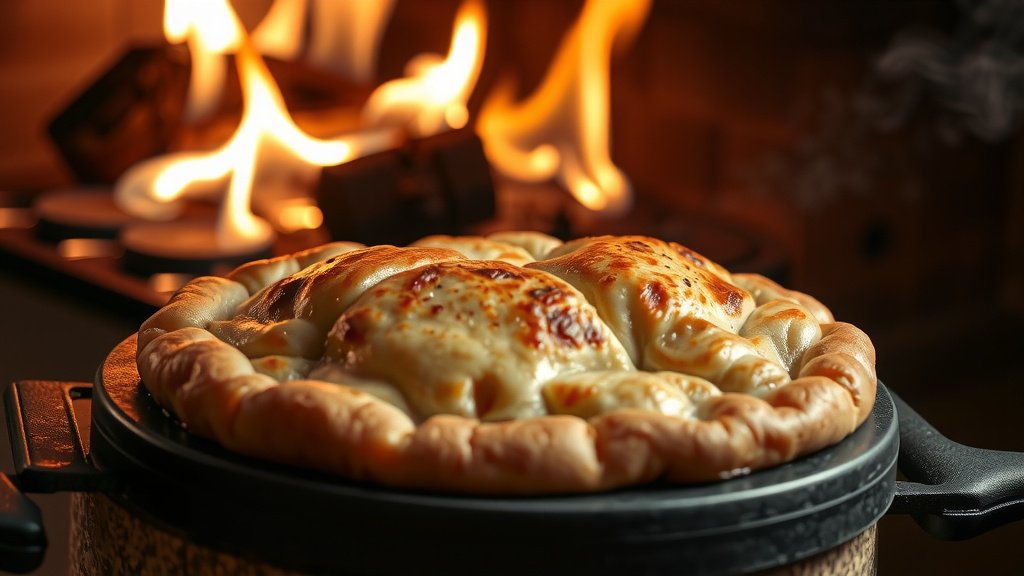
To cook calzone in a pizza oven, preheat your oven to 700-800°F (370-425°C), then carefully launch the calzone onto the hot baking surface.
Aim for a cooking time of 5-8 minutes, rotating it halfway through to ensure an even, golden-brown crust and a perfectly melted, bubbly filling, transforming your meal into a delightful experience.
Ready to bake a calzone that rivals your favorite pizzeria? This guide cuts straight to the chase. Here’s what you’ll discover:
- How to properly heat your pizza oven for optimal calzone baking.
- The simple steps to assemble a delicious, perfectly sealed calzone.
- Expert tips for launching, cooking, and achieving a fantastic crust.
- Quick fixes for common calzone challenges, like a soggy bottom.
- Everything you need to know to serve up a truly memorable meal.
How To Cook Calzone In A Pizza Oven?
Cooking a calzone in a pizza oven is a fantastic way to achieve that crispy, bubbly crust and perfectly melted interior. It’s quicker and more effective than a conventional oven.
The intense heat replicates traditional pizzeria results, giving you a truly authentic taste right in your backyard. You’re in for a treat!
Why Your Pizza Oven is Ideal for Calzones
Pizza ovens are built for high temperatures, which is precisely what calzones need. This intense heat causes the crust to puff up quickly and the fillings to cook evenly.
It creates a distinct texture, crispy on the outside and soft on the inside, that’s hard to achieve otherwise. Think of it as a super-powered oven specifically for dough-based delights.
Essential Gear for Calzone Making
Before you dive in, gather a few key items. You’ll need a pizza peel, some semolina flour for dusting, and your fresh dough. These tools make the process smooth and enjoyable.
A good quality dough scraper can also be helpful for handling and shaping your dough, ensuring you maintain its integrity.
Choosing the Right Calzone Dough
For calzones, a classic pizza dough recipe works wonderfully. You want a dough that’s easy to work with but still holds its shape well.
Many experts say that a dough with a moderate hydration level, around 60-65%, offers the best balance of texture and flexibility (King Arthur Baking Company often recommends this). You can buy pre-made dough or make your own.
Creative Filling Combinations
This is where you get to have fun! Traditional fillings include ricotta cheese, mozzarella, pepperoni, and spinach. But don’t be afraid to experiment!
Consider roasted vegetables, cooked sausage, or even a spicy arrabbiata sauce. Just remember, don’t overfill your calzone, as this can lead to bursting.
Prepping Your Oven: Getting That Perfect Heat
Proper preheating is absolutely vital for a successful calzone. You need the oven to be screaming hot, with a consistent temperature across the baking surface.
Allow your oven ample time to reach and hold the desired temperature. This might take 30-60 minutes depending on your oven type.
Setting the Optimal Temperature
For calzones, we found that 700-800°F (370-425°C) is the sweet spot. This range allows for quick cooking and a beautiful crust without burning.
Using an infrared thermometer to check the temperature of your baking stone or surface is a smart move for accuracy.
Building Your Calzone: From Dough to Deliciousness
Once your dough is ready, gently stretch or roll it into a circle, about 10-12 inches in diameter. You want it not too thin, not too thick.
Place your chosen fillings on one half of the dough, leaving a good border around the edge. Think of it as creating a delicious semi-circle.
Mastering the Fold and Seal
Carefully fold the empty half of the dough over your fillings, creating a half-moon shape. Then, crimp the edges tightly to seal it. A strong seal is crucial to prevent cheese from leaking.
You can use a fork to press down the edges or simply fold and roll them. Some people even create a decorative braided edge. Practice makes perfect!
The Launch: Getting Your Calzone into the Oven
Dust your pizza peel generously with semolina flour or regular flour. This helps the calzone slide off smoothly. Don’t skimp on the flour!
Carefully transfer your prepared calzone to the dusted peel. With a quick, confident motion, launch it onto the hot oven surface. It’s like magic watching it slide.
Cooking Your Calzone: Heat, Time, and Rotation
A calzone cooks much faster than you might think in a pizza oven. Keep a close eye on it, especially during the first couple of minutes.
After about 2-3 minutes, use your peel to rotate the calzone 180 degrees. This ensures even cooking and prevents one side from burning. Continue cooking for another 3-5 minutes.
Spotting the Signs of a Perfectly Cooked Calzone
Your calzone is ready when it has a beautiful golden-brown crust, slightly charred in spots. It will also puff up impressively during cooking.
The internal filling should be hot and bubbly. If you’re unsure, a quick peek inside (carefully!) will confirm the cheese is fully melted.
Cooling and Serving Your Masterpiece
Once cooked, remove the calzone from the oven using your peel. Place it on a cutting board or wire rack and let it rest for a few minutes before slicing.
This resting period allows the fillings to set slightly and prevents a messy explosion of hot cheese. Patience truly pays off here.
Common Calzone Challenges and Simple Fixes
Even seasoned bakers encounter a snag now and then. Don’t worry if your first calzone isn’t picture-perfect; it’s all part of the fun.
We found that most issues are easily fixed with a few adjustments. It’s often about understanding the dough and the power of your oven.
Say Goodbye to Soggy Calzones
A soggy bottom can be a real disappointment. To avoid this, ensure your fillings aren’t too wet. Drain any excess moisture from ingredients like cooked spinach or mushrooms.
You can also brush the inside of the dough with a thin layer of olive oil or sprinkle with a little semolina before adding fillings. This creates a barrier against moisture.
Preventing Burnt Spots
The high heat of a pizza oven means things cook fast. To prevent burning, make sure you are rotating your calzone regularly.
If one side is browning too quickly, you can gently slide it to a cooler spot in the oven for a moment. Constant observation is your best defense against scorching.
Calzone Baking Checklist
Here’s a quick list to ensure you’re set for calzone glory:
- Fresh pizza dough, ready to roll.
- Your favorite fillings, prepped and drained.
- Pizza peel, well-dusted with flour or semolina.
- Oven preheated to 700-800°F (370-425°C).
- Infrared thermometer for checking stone temperature.
- Cutting board and cooling rack for post-bake rest.
Quick Calzone Troubleshooting Guide
Facing a hiccup? Here’s a table to help you get back on track:
| Issue | Possible Cause | Simple Solution |
|---|---|---|
| Soggy Bottom | Wet fillings, not enough semolina. | Drain ingredients well, dust peel generously, preheat oven longer. |
| Burnt Spots | Uneven heat, not rotating. | Rotate calzone more often, check oven hot spots, reduce cook time slightly. |
| Crust is Tough | Too low temperature, overcooked. | Increase oven temperature, reduce cooking time. |
| Fillings Cold | Underfilled, oven not hot enough. | Ensure ample, evenly distributed fillings, verify oven temp. |
| Calzone Bursting | Overfilled, poorly sealed. | Don’t overfill, crimp edges very tightly, poke a small vent hole. |
Conclusion
Cooking calzones in a pizza oven is a rewarding culinary adventure that brings authentic Italian flavors right to your home. With a little practice, you’ll master the art of the perfect crust and molten interior.
Remember to prioritize proper oven temperature, thoughtful preparation, and attentive cooking. You’re now equipped to create delicious calzones that impress every time!
How do I keep my calzone from getting soggy on the bottom?
To prevent a soggy bottom, ensure your fillings are not overly wet; drain cooked vegetables or meats thoroughly. Dusting your pizza peel and the underside of the calzone generously with semolina flour also creates a barrier, helping to absorb moisture and crisp up the base.
Can I use store-bought pizza dough for calzones?
Absolutely! Store-bought pizza dough is a convenient and effective option for calzones. Just let it come to room temperature before stretching, as this makes it much more pliable and easier to work with, giving you a better sealed product.
What’s the best way to seal a calzone so it doesn’t open?
For a secure seal, bring the two edges of the dough together and press firmly. You can crimp them with your fingers, use a fork to press down along the seam, or roll the edges over themselves to create a thick, strong crust that holds everything inside.
Should I poke holes in my calzone before baking?
Yes, many experts recommend poking a few small vent holes (1-2) on the top of your calzone with a fork or knife. This allows steam to escape during cooking, preventing the calzone from bursting open and ensuring the crust cooks evenly.
How long should a calzone cool before I cut into it?
Allow your calzone to cool for at least 5-10 minutes after removing it from the oven. This brief rest period helps the hot cheese and fillings set, preventing them from oozing out excessively when you cut into it, and making it easier to serve cleanly.
