
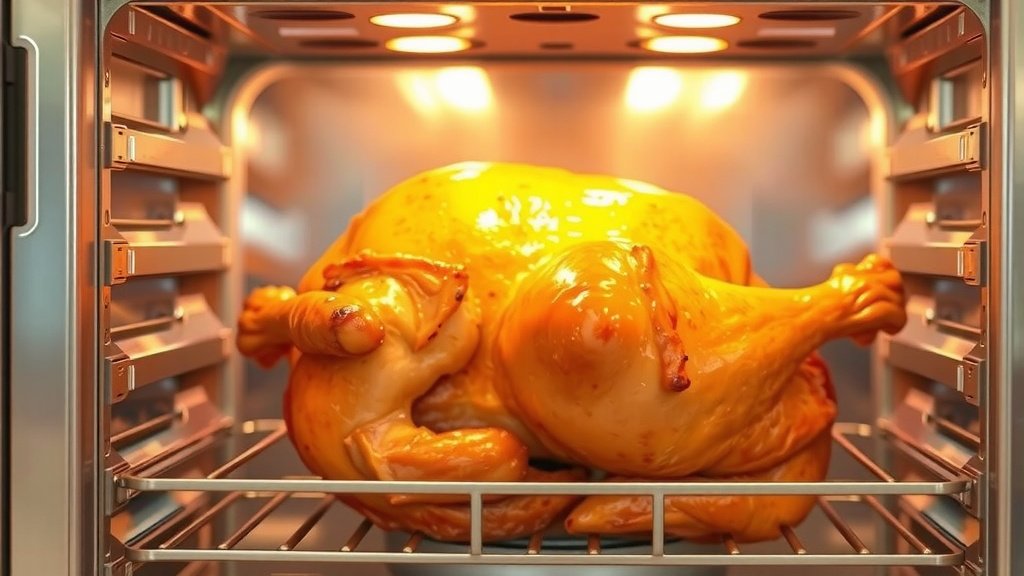
Generally, a whole rotisserie chicken takes about 1.5 to 2.5 hours to cook thoroughly when roasted at 375°F (190°C).
The precise cooking time for rotisserie chicken largely depends on the bird’s weight and your oven’s specific heat distribution.
- A typical 3-4 pound rotisserie chicken needs about 90-120 minutes at 375°F.
- Always aim for an internal temperature of 165°F (74°C) in the thickest part of the thigh and breast.
- Trussing your chicken well helps ensure even cooking and juicy results.
- Resting the chicken for 10-15 minutes after cooking allows juices to redistribute.
How Long Does Rotisserie Chicken Take To Cook?
Cooking a rotisserie chicken typically takes between 90 minutes and 2.5 hours, depending on its size and your oven’s efficiency. The goal is always a safe internal temperature.
Understanding Rotisserie Cooking
Rotisserie cooking is a wonderful method that uses a rotating spit to cook food. This movement ensures the chicken cooks evenly on all sides. It also helps the skin become beautifully crisp.
The Science Behind Even Cooking
As the chicken turns, it gets exposed to heat from every angle. This constant movement prevents one side from burning while another stays raw. We found this method helps the chicken baste itself in its own juices, keeping it moist.
Key Factors Influencing Cook Time
Several things affect how long your chicken needs on the rotisserie. The size of your chicken is the most important factor. Your oven’s actual temperature can also play a big role.
Chicken Size Matters
A smaller chicken, say 3 pounds, will cook much faster than a larger 6-pound bird. A good rule of thumb is about 15-20 minutes per pound at 375°F (190°C). Always use this as a guideline, not a strict rule.
Oven Temperature Settings
Most home cooks use a temperature between 350°F and 400°F (175°C to 200°C) for rotisserie chicken. A lower temperature might take longer but could give you a more tender result. Higher temperatures cook faster but need more careful watching.
Preparing Your Chicken for the Rotisserie
Preparation is key for a perfect rotisserie chicken. A little effort upfront makes a big difference in the final taste and texture. Don’t skip these simple steps.
Trussing for Success
Trussing means tying up the chicken’s wings and legs. This keeps everything compact and close to the body. Many experts say that trussing helps the chicken cook evenly and keeps it from flopping around on the spit.
Seasoning for Flavor
Before cooking, season your chicken generously. You can use a simple salt and pepper mix. Or, create a rub with herbs and spices. Some people even inject marinades for added moisture and taste.
The Cooking Process: Step-by-Step
Once your chicken is prepped, it’s time to get it cooking. Follow these steps for a smooth rotisserie experience. It’s easier than you might think.
Setting Up Your Rotisserie
Carefully push the rotisserie spit through the chicken, making sure it goes straight through the center. Secure the forks at both ends to hold the chicken in place. Balance is very important to ensure smooth rotation.
Monitoring Internal Temperature
This is the most critical step for food safety and deliciousness. You need to use a meat thermometer. Insert it into the thickest part of the thigh, not touching any bone. The USDA recommends a minimum internal temperature of 165°F (74°C) (USDA).
| Chicken Weight (Approx.) | Cooking Time (375°F/190°C) | Internal Temperature |
|---|---|---|
| 3-4 lbs | 90-120 minutes | 165°F (74°C) |
| 4-5 lbs | 120-150 minutes | 165°F (74°C) |
| 5-6 lbs | 150-180 minutes | 165°F (74°C) |
What About Basting?
Because the chicken rotates, it often self-bastes. Its own juices drip down and keep the skin moist. Some people like to baste with extra butter or pan drippings, which can add flavor. We found that extra basting is usually optional.
Knowing When Your Rotisserie Chicken is Done
Beyond the timer, how do you really know your chicken is ready? Checking the internal temperature is the most reliable method. There are also visual clues you can look for.
- Temperature Check: The most important sign is reaching 165°F (74°C) in the thickest part of the thigh and breast (USDA).
- Clear Juices: When you pierce the chicken with a fork, the juices should run clear, not pink or cloudy.
- Golden Brown Skin: The skin should be a beautiful, even golden-brown color and feel crispy.
- Wobbly Legs: When gently wiggled, the leg bones should feel somewhat loose in their sockets.
- No Pink Meat: Visually check inside the joint where the thigh meets the body; there should be no pink.
Resting Your Chicken is Key
Once your chicken hits that perfect temperature, remove it from the rotisserie. Place it on a cutting board and cover it loosely with foil. Let it rest for at least 10 to 15 minutes. This resting period allows the juices to settle back into the meat, making it much more tender and flavorful.
Troubleshooting Common Rotisserie Challenges
Even with careful planning, sometimes little issues pop up. Knowing how to handle them helps you stay calm and ensures a delicious outcome. Don’t worry, these are often simple fixes.
Dealing with Flare-Ups
If fat drips onto heating elements, it can cause flare-ups. Keep a spray bottle with water nearby to mist small flames. You can also place a drip pan below the chicken to catch drippings. This helps prevent smoke and unwanted burning.
Conclusion
Mastering rotisserie chicken cooking time is primarily about knowing your bird’s weight and using a reliable meat thermometer. Aim for that magic 165°F (74°C) internal temperature, and remember to give your chicken a good rest. With these simple tips, you are well on your way to enjoying a perfectly cooked, tender, and juicy rotisserie chicken every time. Happy cooking!
How do I prevent my rotisserie chicken from drying out?
To prevent dry chicken, avoid overcooking it past 165°F (74°C). Trussing helps hold in moisture, and you can also brine the chicken beforehand. Resting the chicken after cooking is also important for juiciness.
Can I rotisserie a frozen chicken?
No, you should never rotisserie a frozen chicken. It must be completely thawed before cooking. Cooking from frozen can lead to uneven cooking and food safety risks, as the outside might cook too quickly while the inside remains unsafe.
What kind of chicken is best for rotisserie?
A whole broiler-fryer chicken, typically weighing between 3 to 6 pounds, is ideal for rotisserie. These chickens are young and tender, perfect for this cooking method.
Do I need to put water in the drip pan for rotisserie chicken?
Adding a little water or broth to the drip pan can help keep the oven air moist, which might contribute to a juicier chicken. It also makes cleanup easier, as drippings won’t burn onto the pan.
How do I get crispy skin on my rotisserie chicken?
For crispy skin, ensure your oven temperature is around 375°F (190°C) or slightly higher during the last 20-30 minutes of cooking. You can also pat the chicken dry before seasoning to remove excess moisture.
