
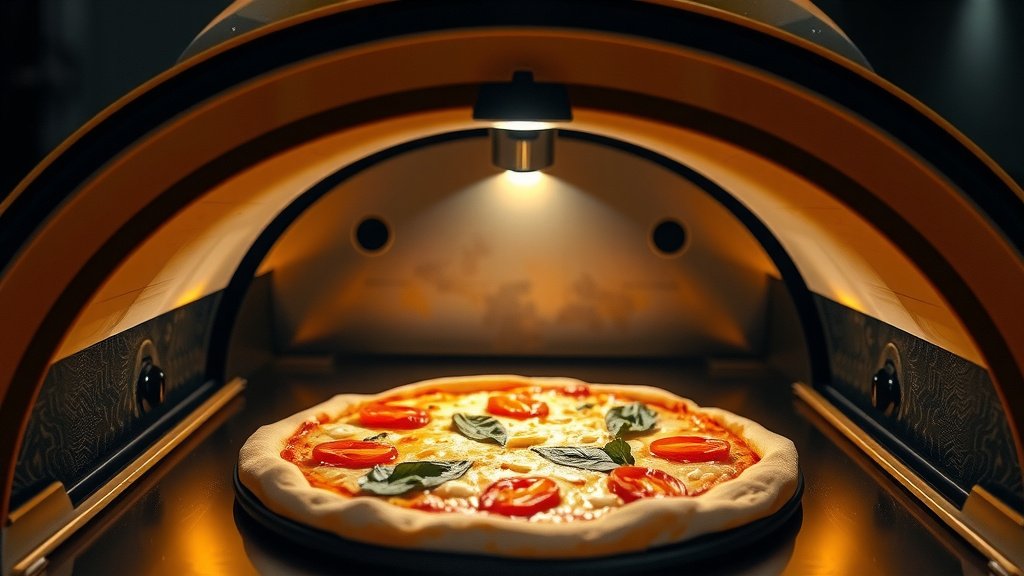
A dedicated pizza oven can reach incredibly high temperatures, often between 700°F and 900°F (370°C to 480°C), far hotter than a conventional kitchen oven. This extreme heat is key to cooking a perfect pizza in just minutes, creating that signature crispy crust and perfectly melted toppings.
The exact temperature depends on the oven type; wood-fired models frequently hit the highest marks, while gas and electric options also deliver impressive heat for authentic results.
- Pizza ovens reach 700°F to 900°F, much hotter than standard home ovens.
- High heat cooks pizza rapidly, giving a crispy crust and bubbly cheese in minutes.
- Wood-fired ovens often achieve the highest temperatures for a traditional taste.
- Gas and electric pizza ovens also get very hot, delivering great results at home.
How Hot Does A Pizza Oven Get?
Pizza ovens get incredibly hot, typically between 700°F and 900°F. This intense heat is the secret to making delicious pizza quickly.
Why Such High Temperatures Matter for Pizza
Have you ever wondered why pizzeria pizzas taste so unique? It’s all about the heat. High temperatures cook a pizza in 60-90 seconds. This quick bake ensures a crispy base and perfectly cooked toppings.
When you cook pizza fast, the dough rapidly expands. This creates a light, airy crust with a slight chew. The extreme heat also caramelizes sugars in the dough, adding fantastic flavor.
Research shows that quick, high-heat cooking locks in moisture. This keeps your toppings fresh and juicy. Many experts agree that anything less just won’t give you that authentic Neapolitan style.
Exploring Different Pizza Oven Types and Their Temperatures
Not all pizza ovens are created equal when it comes to heat. Each type has its own sweet spot for temperature. Understanding these differences helps you choose the right oven.
Wood-Fired Pizza Ovens: The Traditional Powerhouses
Wood-fired ovens are often seen as the gold standard. They can reach astounding temperatures, typically from 800°F to over 900°F. Imagine cooking a pizza in just 60 seconds!
The intense, radiant heat from the flame cooks the top of the pizza. The hot oven floor bakes the bottom. This dual cooking action is what creates that perfect pizza experience.
The wood smoke also adds a unique, smoky flavor. Many chefs consider this flavor essential. It’s a truly authentic way to bake.
Gas Pizza Ovens: Convenient High Heat
Gas pizza ovens offer fantastic convenience without sacrificing much heat. They typically operate in the 700°F to 850°F range. You can often control the temperature with precision.
Preheating is usually faster than with wood-fired models. This means you can be baking pizzas in about 15-20 minutes. Gas ovens are a popular choice for backyard enthusiasts.
They provide consistent heat, making it easier to get uniform results. You won’t get the smoky flavor, but the high heat still delivers an incredible crust.
Electric Pizza Ovens: Compact and Controlled
Electric pizza ovens, especially countertop models, bring high heat indoors. They can reach temperatures of 650°F to 800°F. This is still significantly hotter than your home oven.
These ovens are great for small spaces or indoor use. They offer precise temperature control. Some built-in electric models can even rival gas ovens in performance.
While they might not hit the very top temperatures of wood-fired ovens, they are perfect for many styles. You can still achieve a wonderfully crisp base and bubbly cheese.
Standard Kitchen Ovens: A Different League
Your everyday kitchen oven usually maxes out around 500°F to 550°F. While you can make pizza in them, it’s a different experience. The lower temperature means longer cooking times.
A longer bake often leads to a drier, tougher crust. It’s much harder to get that quick puff and char. This is why a dedicated pizza oven makes such a difference.
Comparing Pizza Oven Temperatures
Let’s look at a quick comparison of typical temperature ranges. This will give you a clearer picture.
| Oven Type | Typical Temperature Range | Pizza Cook Time |
|---|---|---|
| Wood-Fired Pizza Oven | 800°F – 900°F+ (425°C – 480°C+) | 60 – 90 seconds |
| Gas Pizza Oven | 700°F – 850°F (370°C – 455°C) | 90 – 120 seconds |
| Electric Pizza Oven | 650°F – 800°F (340°C – 425°C) | 120 – 180 seconds |
| Standard Kitchen Oven | 500°F – 550°F (260°C – 290°C) | 8 – 15 minutes |
Achieving and Maintaining Optimal Heat
Getting your oven hot is one thing; keeping it hot is another. Here are some tips to help you bake perfectly.
Preheating is Your Best Friend
You wouldn’t jump into a cold shower, right? The same goes for your pizza oven. Always preheat thoroughly. This means waiting until the oven stone or deck is at the right temperature.
Many experts suggest a preheat time of 15-30 minutes for gas or electric ovens. Wood-fired ovens can take longer, up to an hour or more. A good preheat ensures an even bake.
The Role of Pizza Stones and Steels
Even in a high-temp oven, a pizza stone or steel is vital. These materials absorb and hold a lot of heat. They transfer this heat directly to your pizza crust.
A pizza steel generally heats faster and retains heat better than a stone. Both options help create that desired crispy bottom. Always make sure your stone or steel is scorching hot.
Monitoring Your Oven’s Temperature
How do you know if your oven is hot enough? An infrared thermometer is a fantastic tool. You can point it at the oven floor to get an instant reading. This takes the guesswork out of baking.
Many experts recommend checking multiple spots on your cooking surface. This ensures even heat distribution. You want a consistent temperature across the entire stone or steel.
Essential Checklist for Your Pizza Oven Experience
Ready to fire up your oven? Here’s a quick checklist to help you get started on the right foot.
- Thoroughly Preheating: Allow ample time for your oven and stone/steel to reach temperature.
- Using a Thermometer: Confirm the oven floor is at the target temperature (700°F-900°F).
- Preparing Your Dough: Ensure your dough is at room temperature for best results.
- Light Toppings: Don’t overload your pizza; less is often more for fast cooking.
- Quick Turns: Rotate your pizza every 15-30 seconds to ensure even cooking.
- Safety First: Always use heat-resistant gloves and proper tools.
Conclusion
Understanding “How Hot Does A Pizza Oven Get?” is the first step to unlocking incredible homemade pizza. These specialized ovens reach extreme temperatures, far beyond standard kitchen models, delivering that perfect crispy crust and beautifully cooked toppings in mere minutes.
Whether you choose a classic wood-fired, a convenient gas, or a compact electric oven, embracing the power of high heat will transform your pizza-making. So, get ready to crank up the heat and enjoy restaurant-quality pizza right from your backyard or kitchen!
What is the ideal temperature for cooking Neapolitan pizza?
For a true Neapolitan pizza, the ideal temperature is typically between 850°F and 900°F (450°C – 480°C). This high heat allows the pizza to cook in 60-90 seconds, creating the characteristic charred crust and soft interior.
Can I get my standard home oven hot enough for great pizza?
While you can make decent pizza in a standard home oven, reaching the truly “great” level of a dedicated pizza oven is challenging. Home ovens usually max out around 550°F, which is considerably lower than the 700°F-900°F needed for an authentic, quick-cooked pizza.
How long does it take for a pizza oven to heat up?
Preheat times vary significantly by oven type. Gas and electric pizza ovens often take 15-30 minutes to reach optimal temperature. Wood-fired ovens, especially larger models, can take 45-90 minutes or even longer to fully saturate with heat.
What temperature should my pizza stone or steel be?
Your pizza stone or steel should be as hot as the oven itself, ideally between 700°F and 900°F for a dedicated pizza oven. It needs to absorb maximum heat to cook the bottom of the crust rapidly and evenly.
Do I need a special thermometer for a pizza oven?
Yes, an infrared thermometer is highly recommended for a pizza oven. It allows you to quickly and accurately measure the surface temperature of your pizza stone or oven floor, ensuring it’s at the perfect heat before you launch your pizza.
