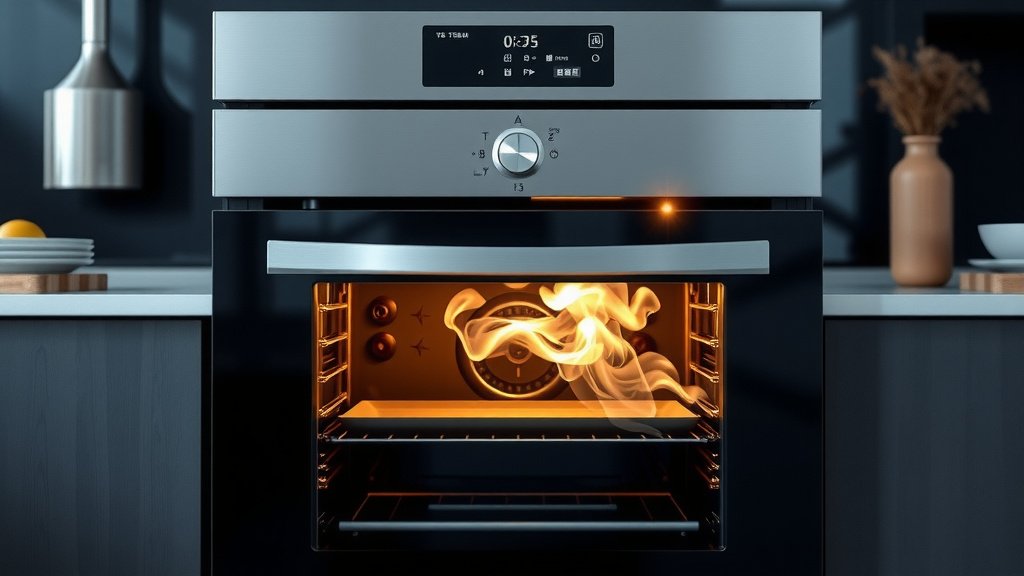
How to Choose a Built-In Steam Oven
The best built in steam oven is one that fits your cabinet plan, water setup and cooking habits. Check installation space, drainage, steam controls, cleaning needs and whether you need a true built-in appliance or a countertop alternative.
On this page (12 sections)
- What makes the best built in steam oven for your kitchen?
- How do water supply and drainage affect installation?
- What cabinet measurements should you check?
- Does a built-in steam oven need special electrical planning?
- Which steam cooking features matter most?
- How should you compare built-in steam oven size?
- What countertop products can help you compare steam cooking?
- How do cleaning and descaling affect the choice?
- What is the difference between built-in and countertop steam ovens?
- Should you choose smart controls?
- What should you confirm before installation?
- How do you choose the best built in steam oven?
The best built in steam oven is the one that matches your kitchen opening, water plan and cooking routine. Before you compare cooking modes, confirm whether the oven needs a refillable tank or a permanent water connection, where moisture will go, and how the cabinet will support ventilation and service access.
A built-in steam oven can make bread, vegetables, fish, reheated meals and combination dishes easier to manage. It also creates more installation work than a countertop appliance, so the right choice starts with the kitchen rather than the feature list.
If you are still deciding whether steam cooking fits your household, read our guide to Is A Steam Oven Worth It?. It covers the daily cooking benefits and the trade-offs before you plan a cabinet opening.
What makes the best built in steam oven for your kitchen?
The best built in steam oven has the right installation method, capacity and steam control for your kitchen. A long list of cooking modes matters less if the oven cannot fit the cabinet or the water system is awkward to use.
Start with these questions:
- Does the oven use a refillable reservoir, a water line or both?
- Is a drain connection required?
- What cabinet opening does the oven need?
- Does the electrical supply match the installation instructions?
- Can you reach the water tank without removing hot trays?
- Is the cavity large enough for your usual dishes?
- Does the oven offer pure steam, combination steam and dry heat?
- How will you clean mineral deposits and food residue?
- Can an installer reach the appliance later if it needs service?
Steam cooking is not one single setting. Pure steam is useful for foods that benefit from gentle moisture, while combination steam adds dry heat for browning and roasting.
Some ovens also include conventional baking, grilling, reheating, proofing or specialized programs.
The best choice is the one you can use often. If your main goal is reheating rice, vegetables and leftovers, you may not need the same capacity or controls as someone who wants to bake bread and roast large meals.
How do water supply and drainage affect installation?
The water system affects cabinet layout, daily access and installation cost, so it should be checked before you choose a model. A refillable tank gives you more flexibility, while a plumbed system may reduce manual refilling but needs suitable connections.
A refillable reservoir must be easy to remove, fill and replace. Check whether the tank can be reached with the oven installed and whether you can refill it without carrying water across a hot cooking area.
A plumbed steam oven needs a suitable water connection behind or beside the appliance. If the design also requires drainage, the installer must plan a safe route for wastewater rather than leaving a hose trapped against the cabinet.
Water quality matters too. Minerals can collect inside steam equipment over time, especially in hard-water areas.
Ask how the oven handles descaling, whether the manufacturer specifies a water treatment method, and how often the cleaning cycle should run.
Do not assume a nearby sink solves the installation problem. The oven may still need a dedicated connection, shutoff access and enough room for hoses or fittings.
If you want steam cooking without planning a permanent water connection, compare the best countertop steam oven options. A countertop model can be a useful test of your cooking habits before you commit to cabinet work.
What cabinet measurements should you check?
You should measure the cabinet opening, surrounding clearances and delivery route before ordering a built-in steam oven. The oven's external size alone does not tell you whether the opening, supports or ventilation will be suitable.
Measure these areas:
- The width, height and depth of the cabinet opening.
- The thickness and condition of the cabinet panels.
- The space behind the oven for electrical, water and drainage connections.
- The distance to nearby walls, doors and other appliances.
- The route from the delivery point to the kitchen.
- The room needed to open the oven door fully.
- The space needed to remove racks, trays and the water tank.
The opening must match the manufacturer's installation dimensions. A small difference can affect how the oven is supported or how heat and moisture leave the cabinet.
Check the floor or shelf that will carry the appliance. A built-in oven is not supported by the front trim alone, and the cabinet must remain stable while you load and unload heavy dishes.
Plan service access before the cabinet is closed. A steam oven may need inspection of electrical parts, water connections or internal components later.
An installer can tell you which panels should remain removable.
Do not cut the cabinet based on a product title or a general oven size. Use the exact installation document for the model you choose.
Does a built-in steam oven need special electrical planning?
A built-in steam oven needs an electrical setup that matches its installation instructions and local code. The required circuit, outlet position and connection method can differ between models, so an electrician should review the plan before the cabinet is finished.
Keep the connection accessible for service, but do not place it where heat, water or moving parts can damage it. The cable should not be pinched behind the oven or forced into a sharp bend.
Steam adds another planning concern. The cabinet and nearby materials must be suitable for the heat and moisture produced during normal use.
Follow the manufacturer's ventilation requirements instead of sealing every gap around the appliance.
If you are replacing an existing wall oven, do not assume the old opening or circuit will work. The new steam oven may have different dimensions, power needs or connection points.
Which steam cooking features matter most?
The most useful steam features are clear moisture control, combination cooking and simple cleaning. Choose programs that match the food you actually prepare rather than paying attention only to the number of buttons.
Look for these functions:
Pure steam for gentle cooking
Pure steam can suit vegetables, fish, grains and foods that dry out easily. The moist environment can help food retain a tender texture, but you still need to follow the oven's instructions for water levels, timing and food placement.
Combination steam for browning
Combination steam adds moisture to dry heat. It can help with bread, roasted foods and reheated meals where you want a less dry result without giving up surface browning.
Reheating with moisture
A steam-assisted reheat mode can be useful for rice, pasta, baked dishes and leftovers. Check whether the controls let you choose the level of moisture, since different foods need different amounts.
Proofing and baking support
If you bake bread, a proofing mode and controlled moisture may matter more than extra automatic programs. You still need enough cavity space for your dough, trays and preferred baking vessels.
Temperature and timing controls
Simple controls are easier to use every day. A clear display, timer and easy-to-read settings can matter more than a large menu of programs that you rarely use.
For a plain explanation of the cooking method, see How Does A Steam Oven Work?. Understanding how steam and dry heat work together makes it easier to compare models.
How should you compare built-in steam oven size?
Choose capacity based on your largest regular dish and the number of trays you use, not just the outside width. A compact oven may suit one or two people, while a larger cavity can make family meals easier if your cabinet and power plan support it.
Think about your normal cooking pattern:
- Small portions of vegetables, fish and reheated meals need less space.
- Bread baking may require room above a tall loaf and space for a tray.
- Family meals may need several shelves or a large roasting dish.
- Batch cooking is easier when dishes can be spaced without blocking steam circulation.
- Large cookware must fit through the door and sit safely on the rack.
More capacity can also mean more cleaning and a larger cabinet opening. Choose the smallest cavity that handles your biggest routine dish without crowding.
A built-in model should be compared with your actual cookware. Measure the width, depth and height of the dishes you use most.
Include handles and lids if they stay on during cooking.
What countertop products can help you compare steam cooking?
Countertop appliances can help you understand your preferred cooking style before you install a built-in oven. They do not replace a true built-in installation, but they show how much you value steam, convection, air frying, reheating and multi-function cooking.
The Breville BOV900BSS Smart Oven Air Fryer Pro has a brushed stainless steel finish, 13 cooking functions, a 16 x 13.5 x 7 in interior and 1,800 W of power. Its functions include toast, bagel, broil, bake, roast, warm, pizza, proof, air fry, reheat, cookies, slow cook and dehydrate.
Its 5 independent quartz elements, Element iQ System and sensing temperature control are designed to direct heat where it is needed. Super convection uses a 2-speed fan, and the oven includes a 13 in pizza pan, 2 oven racks, a 9 x 13 in broil rack and enamel roasting pan, plus a mesh basket rack.
This is a useful comparison point if you want broad dry-heat and countertop cooking functions. It does not make a cabinet-mounted steam oven, so it cannot answer questions about plumbing, cabinet ventilation or built-in service access.
The CHEFMAN Multifunctional Digital Air Fryer+ Rotisserie has a 10 L capacity, 17 touch-screen presets, 1,700 W of output and a black finish. Its functions include air fry, bake, dehydrate, rotisserie and roast.
The appliance includes 3 air-flow racks, a stainless steel rotisserie spit with retrieval tool and a drip tray. Interior lights and a large viewing window help you monitor cooking, while removable and dishwasher-safe parts support cleanup.
This model suits someone comparing countertop convenience with built-in installation work. It is not a steam oven, so it cannot provide the water-system planning or moist cooking environment that defines a built-in steam model.
The Ninja Combi™ 14-in-1 Multicooker, Air Fryer Toaster Oven & Steamer has 14 functions, including Combi Meals, Combi Crisp, Combi Bake, Rice/Pasta, Sear/Sauté, Steam, Bake, Toast, Pizza, Slow Cook, Proof, Sous Vide, Air Fry and Broil.
Its HyperSteam and Air Fry functions work together, and Ninja says it can cook frozen food without defrosting. The appliance has an XL capacity designed to feed up to 8 and can fit a 6 lb roast chicken, a 5 lb top round roast, a 10 in pizza, 24 oz of pasta, 4 cups of dry rice or 2 lb of fries.
The included items are a Combi Cooker Pan, bake tray, crisper tray and recipe book with 20 recipes and cooking charts. This is the closest of these examples to a steam-based countertop comparison, but it still needs counter space and does not install into a wall cabinet.
How do cleaning and descaling affect the choice?
Cleaning should be part of your buying decision because steam leaves moisture and water minerals inside the oven. Choose a model with a clear cleaning process, accessible surfaces and instructions you can follow without special guesswork.
After cooking, wipe visible moisture and food residue from the cavity once it is safe to do so. Remove crumbs and spills before they harden, especially around the door seal and tray supports.
Descaling is different from ordinary wiping. It addresses mineral deposits in the water path and steam system.
Follow the manufacturer's instructions for the correct product, cycle and frequency.
Check whether the racks, trays and water tank can be removed easily. A cavity that is hard to reach may discourage regular care, even if the oven has a cleaning program.
You should also think about odors. Moisture and food residue can leave smells if the door stays closed while the cavity is still damp.
Let the oven dry according to the manufacturer's guidance.
Our guide to how often to clean a steam oven can help you build a simple routine around daily wiping, deeper cleaning and descaling.
What is the difference between built-in and countertop steam ovens?
A built-in steam oven suits a kitchen with a planned cabinet opening, while a countertop steam oven suits a kitchen where flexibility and simpler setup matter more. The better format depends on whether you value integrated design and permanent placement or lower installation demands.
Built-in models usually require more planning for cabinet support, electrical work, water access and ventilation. They can keep the counter clear and fit into a coordinated appliance layout.
Countertop models need a stable surface, open space around the appliance and a nearby electrical connection. They are easier to move or replace, but they take counter space and may have a smaller cooking cavity.
A built-in model is a better fit when you are remodeling, replacing a wall oven or planning a permanent cooking station. A countertop model may be safer for renters, smaller kitchens or buyers who are still learning how often they will use steam.
For a larger commercial cooking setup, see How to Choose a Commercial Steam Oven. Commercial requirements can differ greatly from residential cabinet planning.
Should you choose smart controls?
Smart controls are useful when they make settings easier to understand, but they should not replace basic installation checks. A connected or advanced control system cannot solve a poor cabinet fit, awkward water access or difficult cleaning routine.
Compare the display, knobs, touch controls, timers and automatic programs. Think about who will use the oven and whether the settings are clear without a phone.
If you want to understand the wider category of connected appliances, read What Is A Built-In Smart Oven?. Smart features may help with control and guidance, but they do not automatically make an oven a steam oven.
Choose advanced controls only when they support a real need, such as repeatable cooking programs or easier temperature management. Simple controls may be better if you want quick access to steam, dry heat and reheat settings.
What should you confirm before installation?
Confirm the exact installation document, water method, electrical plan and cabinet opening before the oven arrives. This final check prevents the most expensive mistakes.
Use this checklist:
- Match the appliance dimensions to the required cabinet opening.
- Confirm the shelf and cabinet can support the oven.
- Verify the electrical connection with a qualified professional.
- Identify the water tank, water line and drainage requirements.
- Check ventilation and clearance requirements.
- Confirm the door can open fully.
- Make sure racks, trays and the water reservoir can be removed.
- Plan access for future service.
- Measure the delivery route.
- Keep the manufacturer's installation instructions available for the installer.
Do not install the oven before the cabinet, plumbing and electrical work are ready. A temporary placement can expose the appliance to damage and make it harder to confirm safe clearances.
How do you choose the best built in steam oven?
Choose the best built in steam oven by matching the installation plan to the cooking plan. Pick a plumbed model only when your kitchen can support the required water and drainage work, and pick a tank-based model when easier placement matters more.
Choose a larger cavity if your regular meals need large trays, bread space or several dishes. Choose a smaller oven if your meals are compact and cabinet space is limited.
Prioritize pure steam and combination steam if you cook vegetables, fish, bread, rice or reheated leftovers often. If you mainly want crisp dry heat, a countertop convection or air fryer oven may fit your routine better.
The Breville and CHEFMAN examples show how much dry-heat and countertop flexibility you can get without cabinet work. The Ninja Combi adds steam and multicooker functions, making it the most relevant countertop comparison when you want to test steam cooking before planning a permanent installation.
The final decision should follow your measurements, water access, electrical plan, cleaning habits and cookware. A built-in steam oven is a long-term kitchen choice, so confirm those practical details before comparing extra programs.
Frequently asked questions
What should I look for in the best built in steam oven?
Look for a cabinet opening that matches the appliance, a suitable power connection, a practical water and drainage plan, useful steam controls, easy cleaning and enough cooking space for your usual meals. Also confirm whether you need a true built-in oven or a countertop appliance with steam functions.
Does a built-in steam oven need a water line?
Some built-in steam ovens use a refillable water tank, while others may require a plumbed water connection and drainage. Check the exact installation instructions before ordering because the water method affects cabinet planning, access and the work needed behind the oven.
Can I install a steam oven in any kitchen cabinet?
No. The cabinet must match the oven's required opening, support the appliance and allow the clearances, ventilation and electrical connection specified by the manufacturer.
Measure the opening and surrounding area before buying, and have a qualified installer review the plan.
Are countertop steam ovens a good alternative to built-in models?
Countertop steam ovens can suit renters, smaller kitchens and cooks who want to avoid cabinet work. They need counter space and a nearby outlet, but they may offer a simpler setup than a built-in appliance.
Compare capacity, steam functions and daily access before choosing.
How often should I clean a built-in steam oven?
Wipe away moisture and food residue after cooking, then follow the oven's cleaning or descaling instructions on the schedule recommended for its water system. Hard-water areas may need more attention.
Read our guide on how often to clean a steam oven for a practical routine.