
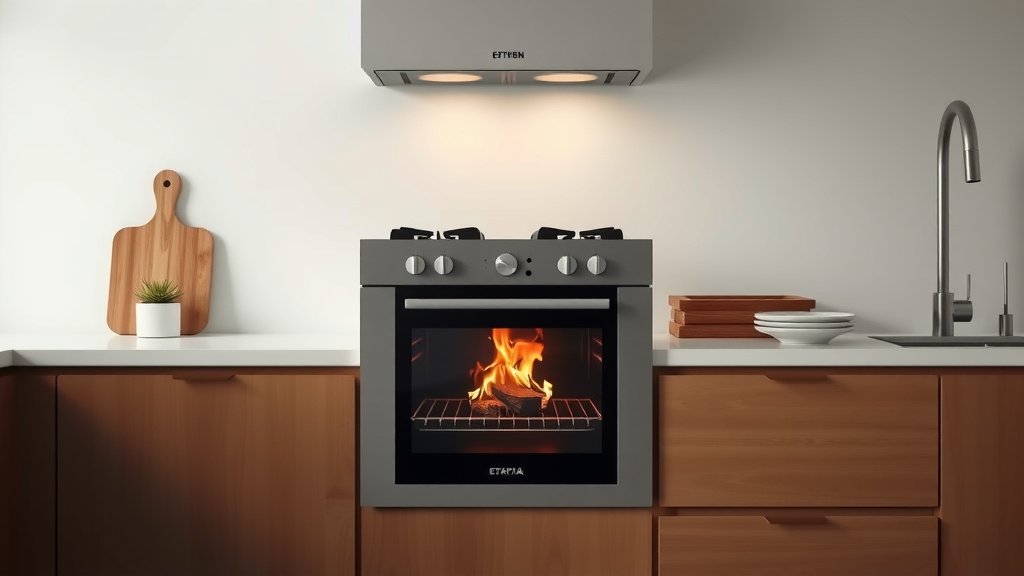
Yes, a gas oven can cause a house fire, but it’s generally due to specific issues like gas leaks, grease build-up, or electrical problems, not the oven’s normal operation.
While gas ovens are safe when used and maintained correctly, understanding common risks and preventative measures is key to keeping your home secure from a gas oven causing a house fire.
- A gas oven can start a fire if gas leaks, often from faulty lines or connections.
- Grease build-up is a major culprit, easily igniting from high heat.
- Electrical malfunctions within the oven can also spark a blaze.
- Always ensure proper installation and regular maintenance to prevent issues.
- Never leave cooking unattended, as this is a frequent cause of kitchen fires.
Can Gas Oven Cause A House Fire?
Yes, a gas oven absolutely can cause a house fire. While ovens are designed with safety in mind, certain conditions or malfunctions can turn them into a fire risk. We found that most oven fires are preventable with proper care.
How Gas Ovens Can Start Fires
It’s natural to wonder about the dangers, right? Let’s break down how a gas oven, a common appliance in many kitchens, might unexpectedly spark a fire. It’s usually not a sudden, mysterious event.
Gas Leaks: The Silent Danger
A gas leak is perhaps the most concerning risk with any gas appliance. If natural gas or propane escapes from the oven’s lines, valves, or connections, it can accumulate in your home. Even a small spark, like flipping a light switch, can ignite it. That’s why detecting gas early is so important (NFPA).
Grease and Food Build-Up: A Flammable Friend
Have you ever had a spill or splatter in your oven? Over time, these residues bake onto surfaces. This greasy, carbonized gunk is highly flammable. When the oven heats up, these deposits can catch fire. It’s a surprisingly common cause of kitchen fires, as many fire departments report.
Electrical Malfunctions in Gas Ovens
Even a gas oven has electrical components. The igniter, lights, and control panel all rely on electricity. A faulty wire, a frayed connection, or a short circuit can generate heat or sparks. This can ignite nearby flammable materials or even the gas itself.
Faulty Components and Wear and Tear
Like any appliance, oven parts can wear out. A faulty thermostat might cause the oven to overheat excessively. A broken igniter could release unlit gas. Damaged oven door seals can let heat escape, potentially damaging cabinets or other kitchen items nearby.
Improper Installation Matters
Installing a gas oven isn’t just about plugging it in. The gas line connections need to be secure and leak-free. Incorrect installation, perhaps by an untrained individual, significantly raises the risk of gas leaks. Many safety guidelines point to professional installation as a good first step (AGA).
Leaving Food Unattended: A Common Mistake
We all get busy, right? But stepping away from a cooking oven, even for a moment, can be risky. A baking pie could overflow, causing a sugary, flammable mess. A pizza could burn and create excessive smoke or even a small fire. Unattended cooking is a leading cause of home cooking fires, research often shows (FEMA).
Recognizing the Warning Signs of a Problem
Being proactive is your best defense. Knowing what to look for can help you prevent a small problem from becoming a big one. Trust your senses; they are your first line of protection.
The Smell of Gas: Don’t Ignore It!
If you smell rotten eggs or sulfur, that’s the odorant added to natural gas. It means you likely have a gas leak. Do not ignore this smell. It’s a serious indicator that immediate action is needed.
Strange Noises or Flames
Is your oven making unusual popping or banging sounds? Are the flames on your gas burners unusually large, orange, or uneven? These could signal a malfunction. Blue flames are normal for natural gas; yellow or orange can mean incomplete combustion.
Excessive Smoke or Burning Odors
Beyond normal cooking smells, if you notice excessive smoke coming from the oven or a persistent burning smell, investigate immediately. This could be food residue burning, but it could also indicate an electrical issue or overheating.
Preventative Measures to Keep Your Home Safe
Taking simple steps can dramatically lower your risk. Think of it as routine care for an important appliance in your home. You care for your car, why not your oven?
Regular Cleaning is Key
Clean your oven regularly! Wipe up spills as they happen. Use the self-cleaning function if your oven has one, but remember to open windows and provide ventilation during this process. Many fire departments advise against using self-clean right before a holiday meal, as it sometimes triggers minor issues.
Professional Maintenance and Inspection
Have a qualified technician inspect your gas oven annually. They can check gas lines, connections, igniters, and other components for wear or potential leaks. This can catch problems before they become serious. Many experts say this routine check is very worthwhile.
Proper Ventilation
Always use your range hood when cooking, especially at high temperatures or when baking greasy foods. Good ventilation helps remove smoke and reduces the build-up of flammable vapors. Research often connects proper ventilation with improved kitchen safety (EPA).
Never Store Flammables Near the Oven
Keep dish towels, paper towels, curtains, and plastic containers away from the oven. The heat from the oven, even from the exhaust, can be enough to ignite these items if they are too close. Think of it as creating a safe zone.
Install and Test Smoke and Carbon Monoxide Detectors
Smoke detectors are a must in the kitchen area (but not too close to avoid false alarms). Carbon monoxide detectors are vital for homes with gas appliances. Test them monthly and replace batteries annually. This provides an early warning system for your family.
What to Do If You Suspect a Gas Leak
If you smell gas, your safety is the absolute priority. Don’t take chances. Here’s what to do immediately:
- Do not turn on or off any lights or electrical appliances.
- Do not use a phone or flashlight inside the house.
- Open windows and doors to ventilate the area.
- Evacuate everyone from the house immediately.
- Once outside, call your gas utility company and the fire department.
Gas Oven Safety Checklist
Here’s a quick list to keep you on track with gas oven safety:
- Are gas connections secure and free of leaks?
- Is the oven interior clean from grease and food debris?
- Are smoke and carbon monoxide detectors working?
- Are flammable items kept clear of the oven?
- Do you supervise cooking and avoid leaving food unattended?
- Is ventilation used when cooking, especially at high heat?
Comparing Oven Fire Risks: Gas vs. Electric
It’s helpful to see how risks might differ between oven types. Both have potential fire hazards, but the sources vary.
| Fire Risk Type | Gas Oven Specific Risks | Electric Oven Specific Risks |
|---|---|---|
| Primary Fuel Source | Natural Gas/Propane | Electricity |
| Key Fire Hazard | Gas leaks, gas ignition | Electrical shorts, faulty wiring |
| Secondary Hazard | Grease/food build-up, electrical faults | Grease/food build-up, excessive heat |
| Installation Concern | Gas line connections | Proper circuit and wiring |
| Immediate Danger | Explosion/carbon monoxide | Arcing/electrical shock |
As you can see, while the root causes differ, many preventative steps like cleaning and supervision apply to both types of ovens. Many sources confirm that kitchen fires happen regardless of oven type (NFPA).
Conclusion
So, can a gas oven cause a house fire? Yes, it can, but it’s often tied to specific issues that are largely preventable. By understanding the risks like gas leaks, grease fires, and electrical malfunctions, you’re already halfway to prevention. Taking proactive steps, like regular cleaning, professional maintenance, and never leaving cooking unattended, makes a world of difference.
Your oven is a powerful tool in your kitchen. Treat it with respect, follow safety guidelines, and you can enjoy countless delicious meals without worry. Stay aware, stay safe, and happy cooking!
How often should I have my gas oven serviced?
Many experts recommend having your gas oven professionally serviced and inspected at least once a year. This check helps identify potential gas leaks, faulty components, or wear and tear before they become serious issues, ensuring safe operation.
What should I do if my oven catches fire while I’m cooking?
If a small fire erupts inside your oven, keep the oven door closed to starve the fire of oxygen. Turn off the oven and the gas supply if it’s accessible and safe to do so. If the fire doesn’t extinguish quickly or grows, evacuate your home immediately and call emergency services.
Can a dirty oven increase the risk of fire?
Absolutely, a dirty oven significantly increases fire risk. Baked-on grease, food debris, and carbonized residues are highly flammable. When the oven heats up, these materials can easily ignite, leading to smoke or even a significant kitchen fire. Regular cleaning is a simple, effective preventative measure.
Are gas leaks always detectable by smell?
Natural gas itself is odorless, but utility companies add a powerful odorant (mercaptan) that smells like rotten eggs or sulfur specifically for detection. While most leaks are detectable by smell, never rely solely on your nose; ensure you have working carbon monoxide detectors as well, especially since some leaks might be slow or the smell could dissipate.
Is it safe to use the self-cleaning feature on a gas oven?
Yes, the self-cleaning feature is generally safe when used correctly. It works by heating the oven to very high temperatures to burn off residue. Always ensure your kitchen is well-ventilated, clear out any loose debris before starting, and avoid running it overnight. Many fire departments suggest not using this feature right before a big event, just in case an issue arises.
